Decoding Forex Trading Signals: Your Guide to Informed Trading
In the fast-paced world of forex trading, making informed decisions can be the difference between profit and loss. One tool that many traders, both novice and experienced, utilize to aid in this process is the forex trading signal. But what exactly are these signals, and how can you use them effectively? This comprehensive guide will delve into the intricacies of forex trading signals, exploring their types, advantages, disadvantages, and how to choose the right ones for your trading strategy. Understanding forex trading signals is crucial for anyone looking to navigate the complexities of the foreign exchange market.
What are Forex Trading Signals?
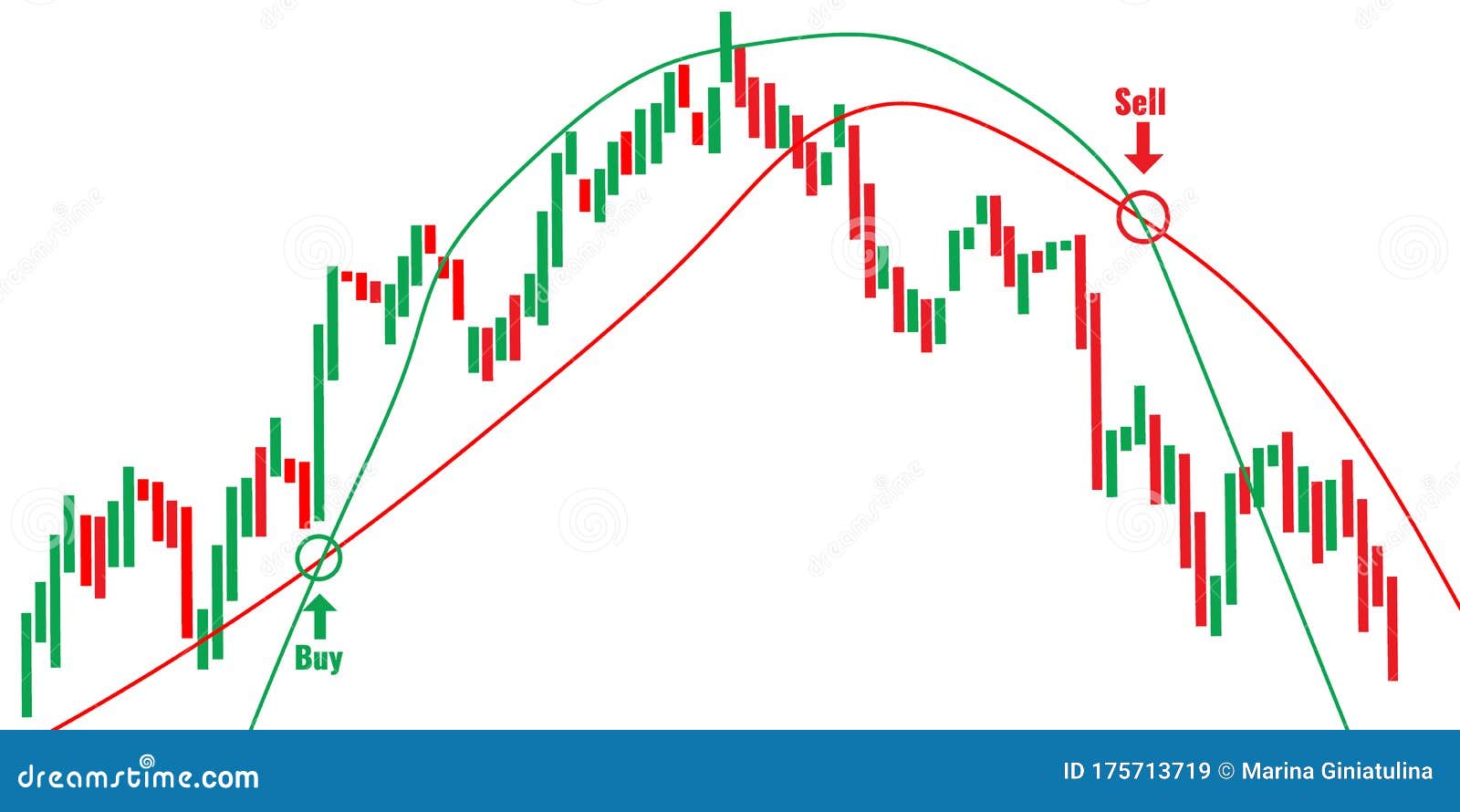
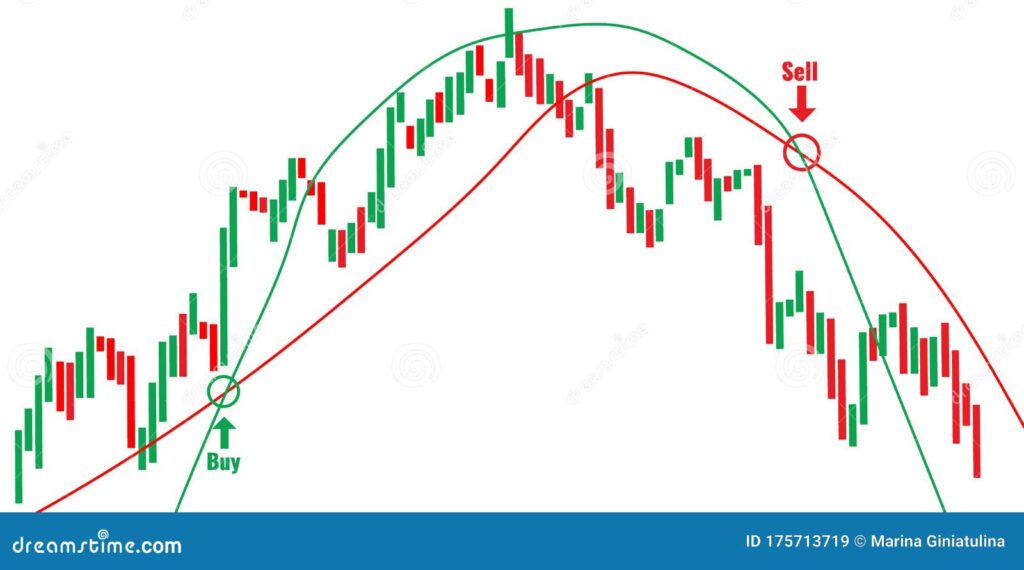
A forex trading signal is essentially a suggestion or recommendation for a specific forex trade. These signals are typically generated by either human analysts or automated algorithms, based on a variety of technical and fundamental indicators. The signal usually includes key information such as the currency pair to trade, the direction of the trade (buy or sell), the entry price, and suggested stop-loss and take-profit levels. The goal of a forex trading signal is to provide traders with actionable information that can help them make more profitable trading decisions without having to spend hours analyzing the market themselves. Think of them as shortcuts to informed decisions, but with the caveat that no signal guarantees profit.
Types of Forex Trading Signals
Forex trading signals come in various forms, each with its own methodology and approach. Understanding these different types is essential for selecting the signals that best align with your trading style and risk tolerance.
Manual Signals
Manual signals are generated by human analysts who use their expertise and experience to identify potential trading opportunities. These analysts typically consider a wide range of factors, including technical analysis (chart patterns, indicators), fundamental analysis (economic news, political events), and market sentiment. The advantage of manual signals is that they can incorporate subjective factors and adapt to changing market conditions more effectively than automated systems. However, they can also be subject to human error and bias.
Automated Signals
Automated signals are generated by computer algorithms that analyze market data and identify trading opportunities based on pre-programmed rules and parameters. These algorithms can process vast amounts of data much faster than humans and can operate 24/7. Automated signals are often based on technical indicators such as moving averages, MACD, RSI, and Fibonacci retracements. While automated signals can be highly efficient, they may struggle to adapt to unexpected market events or changes in market dynamics. [See also: Algorithmic Trading Strategies]
Paid vs. Free Signals
Forex trading signals can be either paid or free. Paid signals typically come from reputable providers who have a proven track record of success. These providers often employ experienced analysts and sophisticated algorithms to generate their signals. Free signals, on the other hand, are often offered by less established providers and may not be as reliable. While free signals may seem attractive, it’s important to be cautious and thoroughly vet the provider before relying on their recommendations. Remember, you often get what you pay for, and in the world of forex trading signals, quality often comes at a price.
Advantages of Using Forex Trading Signals
Using forex trading signals can offer several advantages, particularly for traders who are new to the forex market or who have limited time to dedicate to trading.
- Time-Saving: Signals eliminate the need for extensive market analysis, allowing traders to focus on other aspects of their trading strategy.
- Learning Opportunity: By following signals and observing the market’s response, traders can learn valuable insights into technical and fundamental analysis.
- Potential Profitability: Well-researched signals can increase the likelihood of profitable trades.
- Emotional Detachment: Signals can help traders avoid emotional decision-making, which can often lead to losses.
- Access to Expertise: Signals provide access to the knowledge and experience of professional analysts or sophisticated algorithms.
Disadvantages of Using Forex Trading Signals
Despite their potential benefits, forex trading signals also have some drawbacks that traders should be aware of.
- Risk of Scams: The forex market is rife with scams, and many signal providers make false promises of guaranteed profits.
- Lack of Control: Relying solely on signals can prevent traders from developing their own trading skills and strategies.
- Dependence: Over-reliance on signals can lead to a lack of independent thinking and decision-making.
- Delayed Signals: By the time a signal is received and acted upon, the market conditions may have already changed.
- Cost: High-quality signals can be expensive, and the cost may not always be justified by the potential profits.
How to Choose the Right Forex Trading Signals
Choosing the right forex trading signals is crucial for maximizing your chances of success. Here are some factors to consider:
Reputation and Track Record
Look for providers with a strong reputation and a proven track record of generating profitable signals. Check independent reviews and testimonials to get an unbiased assessment of the provider’s performance. Be wary of providers who make unrealistic promises or guarantee profits.
Transparency and Methodology
Choose providers who are transparent about their methodology and how they generate their signals. Understand the factors they consider and the indicators they use. Avoid providers who are secretive or unwilling to share their methods.
Risk Management
Ensure that the signal provider incorporates sound risk management principles into their strategy. The signals should include clear stop-loss and take-profit levels to protect your capital. A good forex trading signal service will prioritize risk mitigation.
Cost and Value
Consider the cost of the signals and whether it is justified by the potential value they offer. Compare the prices of different providers and weigh the cost against their performance and reputation. Remember that the most expensive signals are not always the best.
Compatibility with Your Trading Style
Choose signals that align with your trading style and risk tolerance. If you are a conservative trader, look for signals with lower risk and longer time horizons. If you are an aggressive trader, you may prefer signals with higher risk and shorter time horizons.
Integrating Forex Trading Signals into Your Strategy
Forex trading signals should not be used in isolation. They should be integrated into a comprehensive trading strategy that includes your own analysis, risk management plan, and trading psychology. Here are some tips for integrating signals effectively:
- Confirm the Signal: Before acting on a signal, confirm it with your own analysis. Look for corroborating evidence from other indicators or sources.
- Adjust Stop-Loss and Take-Profit Levels: Don’t blindly follow the stop-loss and take-profit levels provided by the signal provider. Adjust them to suit your own risk tolerance and trading style.
- Manage Your Risk: Never risk more than you can afford to lose on any single trade. Use proper position sizing and leverage to control your risk exposure.
- Keep a Trading Journal: Track your trades and analyze your performance to identify what works and what doesn’t. This will help you refine your trading strategy and improve your decision-making.
- Stay Informed: Keep up-to-date with market news and events that could affect your trades. Be prepared to adjust your strategy as needed.
The Future of Forex Trading Signals
The future of forex trading signals is likely to be driven by advancements in artificial intelligence (AI) and machine learning. AI-powered algorithms can analyze vast amounts of data and identify patterns that humans may miss. These algorithms can also adapt to changing market conditions and improve their performance over time. As AI technology continues to evolve, we can expect to see more sophisticated and accurate forex trading signals being developed. [See also: The Impact of AI on Financial Markets]
Conclusion
Forex trading signals can be a valuable tool for traders of all levels, but it’s important to understand their limitations and use them wisely. By choosing the right signals, integrating them into a comprehensive trading strategy, and managing your risk effectively, you can increase your chances of success in the forex market. Remember to always do your own research and never rely solely on signals without understanding the underlying factors driving the market. The key to profitable trading lies in informed decision-making, and forex trading signals can be a helpful aid in this process, but they are not a substitute for knowledge and experience. Understanding and critically evaluating forex trading signals is paramount to protecting your capital and achieving your financial goals in the forex market. Using forex trading signals strategically, coupled with diligent research, can potentially enhance trading outcomes. Remember that no forex trading signal guarantees profit; prudent risk management is always essential.
