What Does Duty-Free Mean? A Comprehensive Guide
Navigating the world of travel often involves encountering terms that can seem confusing at first glance. One such term is “duty-free.” So, what does duty-free mean? In essence, duty-free refers to goods that are exempt from the payment of certain taxes and duties. These taxes are typically import or export taxes levied by a country’s customs authority. This exemption makes duty-free shopping an attractive option for travelers, offering potential savings on a variety of products.
Understanding the Basics of Duty-Free Shopping
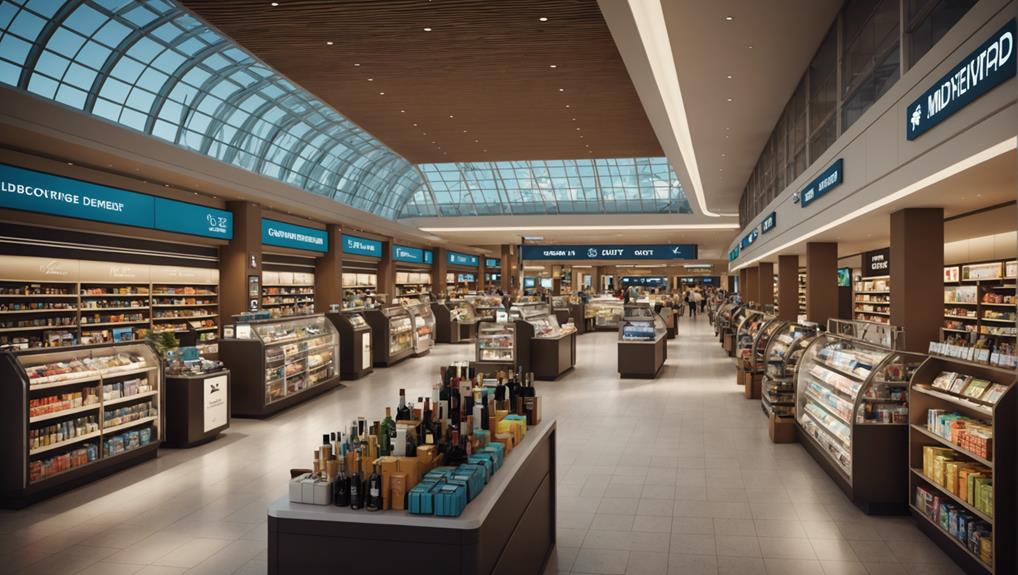
To fully understand what does duty-free mean, it’s crucial to dissect the core components. Duty-free shopping primarily occurs in designated areas, such as international airports, seaports, and border crossings. These areas are typically considered outside the customs territory of the country, allowing retailers to sell goods without collecting the usual import duties and taxes. The concept hinges on the idea that the goods are being exported or are in transit to another country.
The History of Duty-Free
The origins of duty-free shopping can be traced back to Shannon Airport in Ireland in 1947. Brendan O’Regan, recognizing the potential to generate revenue from transatlantic passengers who didn’t want to leave the airport, established the first duty-free shop. This innovative concept quickly gained popularity and spread globally, transforming the travel retail landscape. Now, understanding what does duty-free mean is essential for any international traveler.
How Duty-Free Works: A Step-by-Step Explanation
The process of duty-free shopping is relatively straightforward. Here’s a breakdown:
- Location: Duty-free shops are typically located in international zones of airports, ports, or at border crossings.
- Eligibility: To purchase duty-free goods, you generally need to be traveling internationally. This often requires showing your passport and boarding pass as proof of international travel.
- Selection: You can browse and select from a range of products, including alcohol, tobacco, cosmetics, fragrances, electronics, and luxury goods.
- Purchase: At the checkout, you present your travel documents. The retailer verifies your eligibility and completes the transaction without charging the usual duties and taxes.
- Collection: Depending on the airport and the goods purchased, you may receive your items immediately or collect them at a designated pick-up point before boarding your flight.
Knowing these steps clarifies what does duty-free mean in practical terms.
What Products Are Typically Available Duty-Free?
Duty-free shops offer a diverse range of products, catering to the tastes and needs of international travelers. Here are some of the most common categories:
- Alcohol: Spirits, wines, and beers are frequently purchased duty-free due to the high taxes often imposed on alcoholic beverages.
- Tobacco: Cigarettes, cigars, and other tobacco products are also popular choices, as they are often subject to significant excise duties.
- Cosmetics and Fragrances: Perfumes, makeup, and skincare products are commonly available at duty-free prices, offering savings compared to domestic retail prices.
- Luxury Goods: Designer handbags, watches, jewelry, and accessories can be found in duty-free shops, often at competitive prices.
- Electronics: Some duty-free shops offer electronics such as cameras, headphones, and mobile devices, although the savings may vary.
- Confectionery: Chocolates, candies, and other sweets are also sold duty-free, making them popular gifts or personal treats.
Understanding the variety of available products helps travelers maximize the benefits of what does duty-free mean for their shopping experience.
The Benefits of Duty-Free Shopping
The primary advantage of duty-free shopping is the potential for cost savings. By avoiding import duties and taxes, travelers can often purchase goods at lower prices than they would pay in their home countries. This can be particularly beneficial for high-value items like alcohol, tobacco, and luxury goods. Beyond the price benefits, duty-free shops offer a convenient shopping experience, particularly for travelers who may not have time to shop elsewhere. Duty-free shops often carry exclusive products or limited-edition items that are not available in domestic retail stores.
These benefits highlight the financial and convenience aspects of what does duty-free mean to the consumer.
Limitations and Considerations
While duty-free shopping offers numerous advantages, it’s essential to be aware of certain limitations and considerations. Customs regulations vary from country to country, and travelers are typically subject to limits on the quantity and value of duty-free goods they can bring into a country without paying duty. It’s crucial to check the customs regulations of your destination country before making duty-free purchases to avoid potential penalties or confiscation of goods. While duty-free prices are often lower than domestic retail prices, it’s always a good idea to compare prices to ensure you’re getting the best deal. Some duty-free shops may inflate their prices to offset the tax savings, so it’s worth doing your research. Additionally, be mindful of the exchange rate if you’re paying in a different currency, as this can impact the overall cost.
Being informed about these limitations ensures a well-rounded understanding of what does duty-free mean in practice.
Customs Allowances
Each country has specific customs allowances that dictate the quantity and value of goods travelers can bring into the country without paying duty. These allowances vary widely, depending on the country and the type of goods. Exceeding these allowances can result in the imposition of duties and taxes, as well as potential fines or confiscation of goods. Travelers should familiarize themselves with the customs regulations of their destination country before making duty-free purchases. Information on customs allowances can typically be found on the website of the destination country’s customs authority. Knowing these allowances is a crucial part of understanding what does duty-free mean.
Duty-Free vs. Tax-Free: What’s the Difference?
The terms “duty-free” and “tax-free” are often used interchangeably, but they have distinct meanings. Duty-free refers specifically to the exemption of import or export duties. Tax-free, on the other hand, refers to the exemption of other types of taxes, such as sales tax or value-added tax (VAT). In some countries, you may be able to claim a refund of VAT on purchases made while visiting as a tourist. This is different from duty-free shopping, which occurs at the point of sale in designated areas. Understanding the nuance between duty-free and tax-free helps clarify what does duty-free mean in a broader context. [See also: VAT Refund for Tourists]
Duty-Free Shopping in the Digital Age
The rise of e-commerce has transformed the retail landscape, and duty-free shopping is no exception. Many duty-free retailers now offer online platforms where travelers can browse and purchase goods in advance of their trip. This allows travelers to reserve items and collect them at the airport or port of departure. Online duty-free shopping offers convenience and the opportunity to compare prices and products from different retailers. This digital evolution adds a new dimension to what does duty-free mean in modern travel.
The Future of Duty-Free
The duty-free industry continues to evolve, adapting to changing consumer preferences and technological advancements. As travel patterns shift and new markets emerge, duty-free retailers are exploring innovative ways to enhance the shopping experience and attract customers. This includes offering personalized recommendations, interactive displays, and seamless integration with mobile devices. The future of duty-free promises to be dynamic and exciting, further refining what does duty-free mean for travelers worldwide. [See also: Trends in Travel Retail]
Conclusion: Maximizing Your Duty-Free Experience
In conclusion, what does duty-free mean? It represents an opportunity for travelers to save money on a variety of goods by avoiding import duties and taxes. By understanding the basics of duty-free shopping, being aware of customs regulations, and comparing prices, travelers can maximize the benefits of this unique retail environment. Whether you’re looking for alcohol, tobacco, cosmetics, or luxury goods, duty-free shopping offers a convenient and potentially cost-effective way to enhance your travel experience. Remember to plan ahead, check your destination’s customs allowances, and enjoy the savings!
