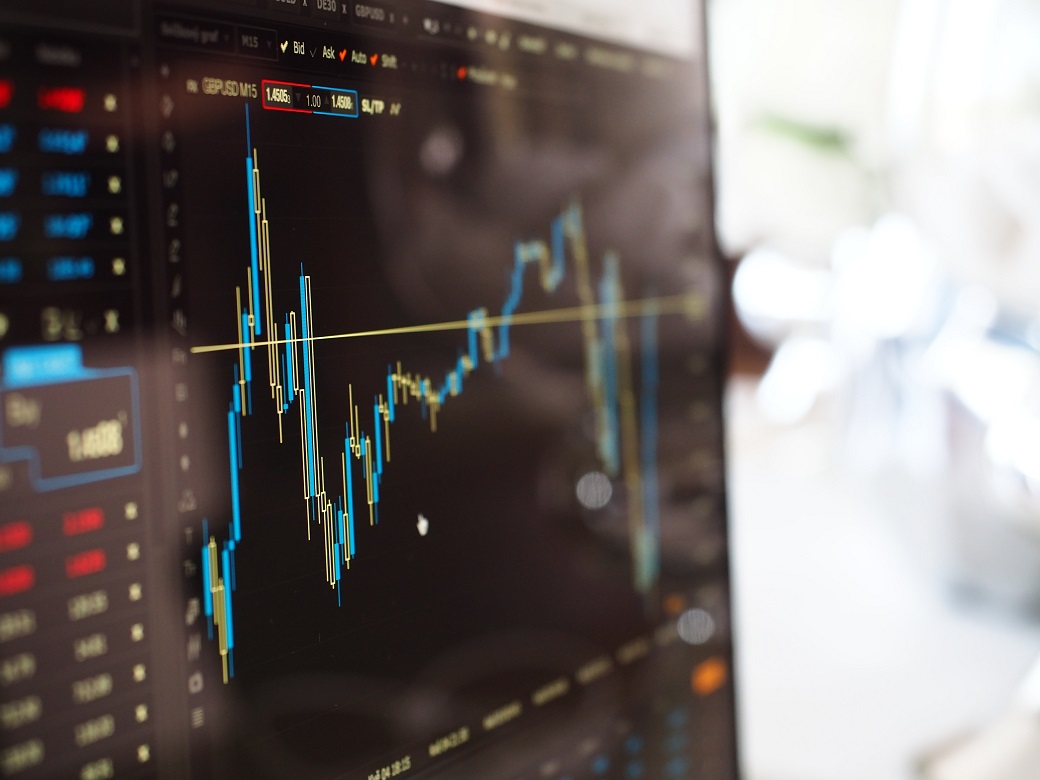
What Are Forex Signals: A Comprehensive Guide to Profitable Trading
Navigating the complex world of Forex (Foreign Exchange) trading can be daunting, especially for beginners. With fluctuating currency values and intricate market dynamics, making informed decisions is crucial for success. This is where forex signals come into play. But what are forex signals exactly, and how can they benefit your trading strategy? This comprehensive guide will delve into the intricacies of forex signals, exploring their types, advantages, disadvantages, and how to use them effectively to potentially enhance your profitability in the forex market.
Understanding Forex Signals
Forex signals are essentially trading suggestions or recommendations for currency pairs. These signals typically include crucial details such as the specific currency pair to trade, the entry price, the take-profit level, and the stop-loss level. They are designed to provide traders with actionable insights, helping them make informed decisions without having to spend hours analyzing market trends and technical indicators.
The core purpose of forex signals is to assist traders in identifying potential trading opportunities. They can be generated by various sources, including:
- Professional Traders: Experienced traders who analyze the market and provide signals based on their expertise.
- Automated Systems (Trading Robots or Expert Advisors): Algorithms designed to analyze market data and generate signals automatically.
- Forex Signal Providers: Companies or individuals specializing in generating and distributing forex signals.
Types of Forex Signals
Forex signals can be categorized based on several factors, including the source, the time frame, and the trading style. Here are some common types:
Based on Source
- Manual Signals: Generated by human analysts who use their knowledge of technical and fundamental analysis to identify trading opportunities.
- Automated Signals: Generated by trading robots or Expert Advisors (EAs) that use pre-programmed algorithms to analyze market data and generate signals.
Based on Time Frame
- Scalping Signals: Designed for short-term trading, typically lasting a few minutes to a few hours.
- Day Trading Signals: Intended for trades that are opened and closed within the same trading day.
- Swing Trading Signals: Suitable for trades that are held for several days or weeks.
- Position Trading Signals: Designed for long-term trading, where trades are held for several weeks or months.
Based on Trading Style
- Trend Following Signals: Based on identifying and following existing market trends.
- Counter-Trend Signals: Based on identifying potential reversals in the market trend.
- Breakout Signals: Based on identifying price breakouts from established trading ranges.
Advantages of Using Forex Signals
Using forex signals can offer several benefits to traders, especially those who are new to the market or lack the time to conduct in-depth analysis. Here are some key advantages:
- Time-Saving: Forex signals can save traders significant time by providing ready-made trading suggestions. This is particularly useful for individuals who have busy schedules and cannot dedicate hours to market analysis.
- Learning Opportunity: By following forex signals, traders can learn from the strategies and techniques used by experienced analysts or automated systems. This can help them improve their own trading skills over time.
- Reduced Emotional Trading: Forex signals can help traders avoid making impulsive decisions based on emotions. By following a pre-defined plan, traders can stick to their strategy and avoid the pitfalls of emotional trading.
- Access to Expertise: Forex signals provide access to the expertise of professional traders or sophisticated algorithms. This can be particularly valuable for traders who lack the knowledge or experience to analyze the market effectively on their own.
- Potential for Profit: When used correctly, forex signals can help traders identify profitable trading opportunities and increase their overall returns.
Disadvantages of Using Forex Signals
While forex signals offer numerous advantages, it’s crucial to be aware of the potential drawbacks. Here are some key disadvantages to consider:
- Risk of Scams: The forex market is rife with scams, and many forex signal providers are unreliable or fraudulent. It’s essential to thoroughly research and vet any signal provider before subscribing to their services.
- Dependence on Signals: Over-reliance on forex signals can hinder a trader’s ability to develop their own analytical skills and independent decision-making. It’s important to use signals as a tool to supplement, rather than replace, your own analysis.
- No Guarantee of Profit: Forex signals are not a guaranteed path to profit. Market conditions can change rapidly, and even the best signals can result in losses. It’s crucial to manage risk effectively and never invest more than you can afford to lose.
- Cost: Many forex signal providers charge subscription fees for their services. These fees can eat into your profits, especially if the signals are not consistently accurate.
- Lack of Customization: Forex signals are often generic and may not be tailored to your specific trading style or risk tolerance. It’s important to adapt the signals to your own needs and preferences.
How to Choose a Forex Signal Provider
Selecting a reliable forex signal provider is crucial for maximizing the potential benefits and minimizing the risks. Here are some key factors to consider when choosing a provider:
- Reputation: Research the provider’s reputation by reading reviews, checking their track record, and verifying their credentials. Look for providers with a proven history of generating accurate and profitable signals.
- Transparency: Choose a provider that is transparent about their methodology and performance. They should provide detailed information about how their signals are generated and offer verifiable performance statistics.
- Cost: Compare the subscription fees of different providers and consider the value you are getting for your money. Avoid providers that charge exorbitant fees or make unrealistic promises of profit.
- Customer Support: Ensure the provider offers responsive and helpful customer support. You should be able to contact them easily if you have any questions or concerns.
- Trial Period: Look for providers that offer a free trial period or a money-back guarantee. This allows you to test their signals and assess their suitability before committing to a long-term subscription.
Using Forex Signals Effectively
Even with a reliable forex signal provider, it’s essential to use the signals effectively to maximize your chances of success. Here are some tips for using forex signals:
- Combine with Your Own Analysis: Don’t blindly follow forex signals without conducting your own analysis. Use the signals as a starting point and combine them with your own knowledge of technical and fundamental analysis.
- Manage Risk: Always use proper risk management techniques, such as setting stop-loss orders and limiting your position size. Never risk more than you can afford to lose on any single trade.
- Adapt to Market Conditions: Be aware that market conditions can change rapidly, and even the best forex signals can become inaccurate. Adapt your trading strategy to the prevailing market conditions and be prepared to adjust your positions if necessary.
- Keep a Trading Journal: Track your trades and analyze your performance to identify what works and what doesn’t. This will help you refine your trading strategy and improve your overall profitability.
- Be Patient: Trading is a marathon, not a sprint. Don’t expect to get rich overnight by following forex signals. Be patient, disciplined, and persistent, and you will gradually improve your trading skills and increase your chances of success.
Alternatives to Forex Signals
While forex signals can be a useful tool for traders, they are not the only option available. Here are some alternatives to consider:
- Self-Directed Trading: Learn how to analyze the market and make your own trading decisions. This requires time and effort, but it can be more rewarding in the long run.
- Copy Trading: Copy the trades of experienced traders on a social trading platform. This allows you to benefit from their expertise without having to make your own trading decisions. [See also: Best Copy Trading Platforms]
- Forex Education: Invest in your education by taking courses, reading books, and attending seminars on forex trading. This will give you the knowledge and skills you need to succeed in the market.
Conclusion
Forex signals can be a valuable tool for traders looking to enhance their profitability in the forex market. However, it’s crucial to understand the risks and limitations involved. By choosing a reliable provider, using the signals effectively, and combining them with your own analysis, you can increase your chances of success. Remember to always manage risk effectively and never invest more than you can afford to lose. What are forex signals if not a tool to be used responsibly and with due diligence? They are not a magic bullet, but rather a resource that, when used wisely, can contribute to a more informed and potentially profitable trading journey. The key to success lies in continuous learning, adapting to market conditions, and maintaining a disciplined approach to trading. The use of forex signals, when implemented thoughtfully, can be a significant asset in navigating the complexities of the Forex market.
