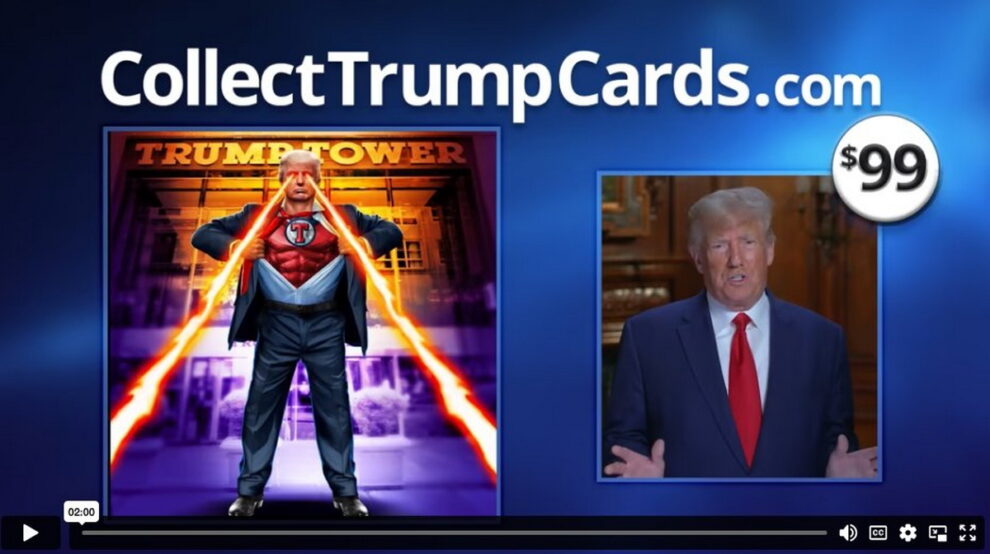
NFT Trading Cards: A Comprehensive Guide to Digital Collectibles
The world of digital collectibles has exploded in recent years, and at the forefront of this revolution are NFT trading cards. These aren’t your grandfather’s baseball cards; they’re unique, provably scarce digital assets that live on the blockchain. This article delves into the world of NFT trading cards, exploring their origins, how they work, why they’re valuable, and what the future holds for this exciting new asset class.
What are NFT Trading Cards?
At their core, NFT trading cards are digital representations of physical trading cards, or entirely new creations, secured using Non-Fungible Tokens (NFTs). An NFT is a unique cryptographic token that cannot be replicated, making each NFT trading card verifiably one-of-a-kind. This scarcity is a key driver of their value.
Unlike physical cards, NFT trading cards exist solely in the digital realm. They can be bought, sold, and traded on specialized marketplaces, and their ownership is recorded on a blockchain, typically Ethereum or Flow. This transparent and secure ledger ensures authenticity and prevents counterfeiting, a common problem in the physical trading card market.
The History of Digital Trading Cards
The concept of digital trading cards isn’t entirely new. Early iterations existed in the form of online collectibles within games and virtual worlds. However, these early digital cards lacked true ownership and scarcity, as developers could easily create more of them. The advent of NFTs changed everything.
One of the earliest and most successful examples of NFT trading cards is CryptoPunks, launched in 2017. While not strictly “trading cards,” these pixelated characters paved the way for the modern NFT collectible market. Shortly after, projects like CryptoKitties demonstrated the potential for digital scarcity and ownership on the blockchain.
How NFT Trading Cards Work
NFT trading cards operate on blockchain technology. Here’s a breakdown of the key components:
- Blockchain: The underlying technology that records all transactions and ownership of the NFT trading cards.
- Smart Contracts: Self-executing contracts that define the rules for the creation, sale, and trading of the NFT trading cards.
- NFT Marketplaces: Online platforms where users can buy, sell, and trade NFT trading cards. Popular marketplaces include OpenSea, Rarible, and Magic Eden.
- Digital Wallets: Used to store and manage your NFT trading cards and cryptocurrency. Metamask is a widely used option.
When you purchase an NFT trading card, you’re essentially acquiring a digital token that represents ownership of that specific card. This token is stored in your digital wallet, and the transaction is recorded on the blockchain. You can then choose to hold the card, sell it on a marketplace, or even display it in a virtual gallery.
Why are NFT Trading Cards Valuable?
The value of NFT trading cards is driven by several factors:
- Scarcity: Like physical trading cards, rarity plays a crucial role. Limited edition cards or those with unique attributes are often more valuable.
- Collectibility: The appeal of collecting is a major driver. Collectors are drawn to completing sets, acquiring cards of their favorite players or characters, or owning historically significant pieces.
- Utility: Some NFT trading cards offer additional utility, such as access to exclusive content, experiences, or even governance rights within a community.
- Community: Strong communities around specific NFT trading card projects can significantly increase their value.
- Speculation: As with any asset class, speculation plays a role. Investors may purchase NFT trading cards hoping to profit from future price appreciation.
Popular NFT Trading Card Projects
The NFT trading card space is constantly evolving, with new projects emerging regularly. Here are a few notable examples:
- NBA Top Shot: Officially licensed NFT trading cards featuring iconic moments from NBA games.
- Topps MLB NFT: Digital versions of classic Topps baseball cards.
- Sorare: A fantasy sports game where players collect and manage digital player cards as NFTs.
- Gods Unchained: A trading card game where players own their cards as NFTs. [See also: Best NFT Games to Play in 2024]
The Benefits of NFT Trading Cards
Compared to traditional physical trading cards, NFT trading cards offer several advantages:
- Authenticity: The blockchain provides irrefutable proof of ownership and authenticity, eliminating the risk of counterfeits.
- Liquidity: NFT trading cards can be easily bought and sold on global marketplaces, providing greater liquidity than physical cards.
- Storage: No need to worry about physical storage or damage. Your NFT trading cards are securely stored in your digital wallet.
- Global Accessibility: Anyone with an internet connection can participate in the NFT trading card market, regardless of location.
- New Revenue Streams for Creators: NFTs allow creators to earn royalties on secondary sales, providing a new revenue stream beyond the initial sale.
The Risks of NFT Trading Cards
While NFT trading cards offer many benefits, it’s important to be aware of the risks involved:
- Volatility: The NFT market is highly volatile, and prices can fluctuate dramatically.
- Scams: The NFT space is rife with scams and fraudulent projects. It’s crucial to do your research before investing.
- Security: Digital wallets can be vulnerable to hacking and theft. It’s important to use strong passwords and enable two-factor authentication.
- Environmental Concerns: Some blockchains, like Ethereum, consume significant amounts of energy. However, many projects are transitioning to more energy-efficient alternatives.
- Lack of Regulation: The NFT market is largely unregulated, which can create uncertainty and increase the risk of fraud.
How to Get Started with NFT Trading Cards
If you’re interested in getting started with NFT trading cards, here are a few steps to take:
- Do Your Research: Learn about different NFT trading card projects, marketplaces, and wallets.
- Set Up a Digital Wallet: Choose a reputable digital wallet and securely store your private keys.
- Fund Your Wallet: Purchase cryptocurrency, such as Ethereum (ETH), to fund your wallet.
- Choose a Marketplace: Select an NFT trading card marketplace that suits your needs and preferences.
- Start Small: Begin with a small investment and gradually increase your exposure as you gain experience.
The Future of NFT Trading Cards
The future of NFT trading cards looks bright. As the technology matures and adoption increases, we can expect to see even more innovative applications and use cases. Some potential future developments include:
- Integration with Metaverse Platforms: NFT trading cards could be used to represent avatars, items, and other assets within virtual worlds.
- Enhanced Utility: NFT trading cards could offer even more utility, such as access to exclusive events, discounts, or voting rights.
- Fractional Ownership: High-value NFT trading cards could be fractionalized, allowing multiple individuals to own a share of a single card.
- Increased Institutional Adoption: As the NFT market matures, we can expect to see more institutional investors entering the space.
Conclusion
NFT trading cards represent a fascinating intersection of collectibles, technology, and finance. While the market is still relatively young and volatile, the potential for growth and innovation is undeniable. By understanding the fundamentals of NFT trading cards and conducting thorough research, you can navigate this exciting new asset class and potentially profit from its future success. Remember to always invest responsibly and be aware of the risks involved. Whether you are a seasoned collector or just curious about the possibilities, NFT trading cards offer a glimpse into the future of digital ownership and the evolving world of collectibles. [See also: NFT Art: A Beginner’s Guide]
