The Best Technical Analysis Books to Elevate Your Trading Game
Technical analysis is a cornerstone for traders and investors seeking to understand market movements and make informed decisions. Diving into the world of charts, patterns, and indicators can be daunting, but the right resources can make all the difference. This article explores some of the best technical analysis books available, providing insights into why they are valuable and how they can enhance your trading strategies. Whether you’re a beginner or an experienced trader, these books offer a wealth of knowledge to improve your understanding of market dynamics.
Understanding Technical Analysis: A Foundation
Before we delve into specific titles, it’s essential to understand what technical analysis entails. Technical analysis is a method of evaluating securities by analyzing statistics generated by market activity, such as past prices and volume. Unlike fundamental analysis, which focuses on a company’s intrinsic value, technical analysis emphasizes the patterns and trends that emerge from market data. Mastering technical analysis requires a solid grasp of various concepts, including chart patterns, indicators, and risk management.
Top Technical Analysis Books for Every Trader
Here are some of the most highly recommended books on technical analysis, categorized by skill level and specific areas of focus:
For Beginners: Getting Started with Technical Analysis
- “Technical Analysis for Dummies” by Barbara Rockefeller: This book provides a comprehensive introduction to the core principles of technical analysis. Rockefeller simplifies complex concepts, making it accessible to newcomers. It covers basic chart patterns, indicators like moving averages and RSI, and essential risk management techniques. This is a great starting point for anyone looking to understand the fundamentals of technical analysis.
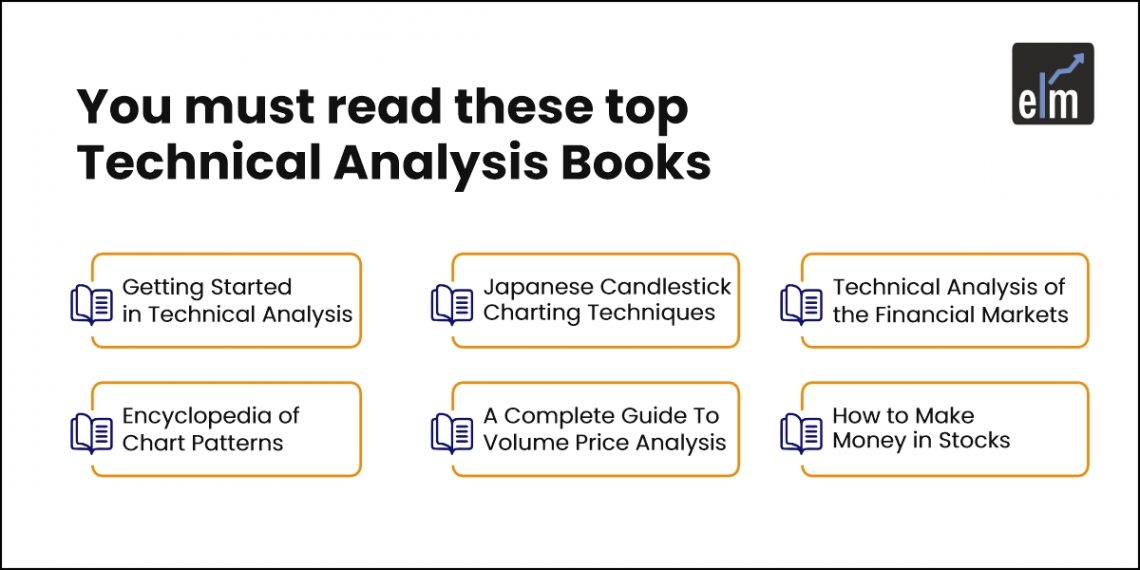
- “Getting Started in Technical Analysis” by Jack D. Schwager: Schwager, known for his “Market Wizards” series, offers a practical guide for beginners. This book introduces the key concepts of technical analysis with clear explanations and real-world examples. It’s an excellent resource for those who want a solid foundation before moving on to more advanced topics.
Intermediate Level: Deepening Your Understanding
- “Technical Analysis of the Financial Markets” by John J. Murphy: Often considered the bible of technical analysis, this book provides an exhaustive overview of the subject. Murphy covers a wide range of topics, from chart patterns and indicators to Elliott Wave theory and intermarket analysis. It’s a must-read for anyone serious about mastering technical analysis.
- “Trading in the Zone” by Mark Douglas: While not strictly a technical analysis book, “Trading in the Zone” is crucial for developing the right mindset for trading. Douglas explores the psychological aspects of trading, helping readers overcome common pitfalls like fear and greed. Understanding your own psychology is just as important as understanding market patterns when applying technical analysis.
Advanced Techniques and Strategies
- “Mastering the Trade” by John F. Carter: This book delves into advanced trading strategies and techniques, including options trading and volatility analysis. Carter provides practical advice and specific setups that traders can use to improve their performance. It is best suited for those who already have a solid understanding of technical analysis and are looking to refine their skills.
- “Elliott Wave Principle” by A.J. Frost and Robert Prechter: This book explores the Elliott Wave theory, a complex but powerful method of analyzing market cycles. While challenging to master, the Elliott Wave Principle can provide valuable insights into long-term market trends. Understanding the Elliott Wave Principle can significantly enhance your technical analysis toolkit.
Key Concepts Covered in Technical Analysis Books
The best technical analysis books cover a wide range of concepts, including:
- Chart Patterns: Understanding patterns like head and shoulders, double tops, and triangles is crucial for identifying potential trading opportunities.
- Indicators: Indicators such as moving averages, RSI, MACD, and Fibonacci retracements help traders gauge market momentum and identify overbought or oversold conditions.
- Volume Analysis: Analyzing trading volume can provide insights into the strength of a trend and potential reversals.
- Risk Management: Effective risk management techniques are essential for protecting capital and minimizing losses.
How to Choose the Right Technical Analysis Book
Selecting the right technical analysis book depends on your current skill level and specific interests. Beginners should start with introductory texts that cover the basics, while more experienced traders can delve into advanced strategies and techniques. Consider the following factors when choosing a book:
- Your Current Skill Level: Are you a beginner, intermediate, or advanced trader?
- Your Specific Interests: Are you interested in day trading, swing trading, or long-term investing?
- The Author’s Expertise: What is the author’s background and experience in technical analysis?
- Reviews and Recommendations: What are other traders saying about the book?
The Importance of Practice and Application
Reading technical analysis books is just the first step. To truly master the art of technical analysis, you need to practice and apply what you learn. This involves:
- Paper Trading: Simulate trades using virtual money to test your strategies without risking real capital.
- Backtesting: Analyze historical data to see how your strategies would have performed in the past.
- Real-World Trading: Once you’re comfortable with your strategies, start trading with small amounts of real money.
- Continuous Learning: The market is constantly evolving, so it’s essential to stay up-to-date on the latest trends and techniques in technical analysis.
Integrating Technical Analysis with Other Strategies
While technical analysis is a powerful tool, it’s important to remember that it’s just one piece of the puzzle. Many successful traders combine technical analysis with fundamental analysis and other strategies to make more informed decisions. For example, you might use technical analysis to identify entry and exit points for a stock that you’ve already researched using fundamental analysis. This integrated approach can lead to more consistent and profitable trading results. [See also: Fundamental Analysis vs Technical Analysis: Which is Better?].
Staying Updated with the Latest Trends
The field of technical analysis is constantly evolving, with new indicators, patterns, and techniques emerging all the time. To stay ahead of the curve, it’s important to continuously learn and adapt. This can involve reading new books, attending webinars, and following reputable analysts and traders on social media. Staying informed about the latest trends in technical analysis can give you a competitive edge in the market. [See also: Top Trading Blogs to Follow in 2024].
Conclusion: Mastering Technical Analysis for Trading Success
In conclusion, mastering technical analysis is a journey that requires dedication, practice, and the right resources. The best technical analysis books can provide you with the knowledge and tools you need to understand market dynamics and make informed trading decisions. By combining these resources with practical experience and a disciplined approach, you can significantly improve your trading performance. Remember to continuously learn and adapt to the ever-changing market conditions, and always prioritize risk management to protect your capital. Whether you are a novice or an experienced trader, these books can provide invaluable insights into the world of technical analysis and contribute to your long-term success in the financial markets.
