What is the Meaning of Duty Free? A Comprehensive Guide
Traveling internationally often presents exciting opportunities, from exploring new cultures to discovering unique products. One of the perks frequently associated with international travel is the concept of “duty free” shopping. But what is the meaning of duty free, and how does it actually work? This comprehensive guide will delve into the intricacies of duty-free shopping, explaining its benefits, limitations, and everything you need to know to make the most of your next trip.
Understanding the Basics of Duty Free
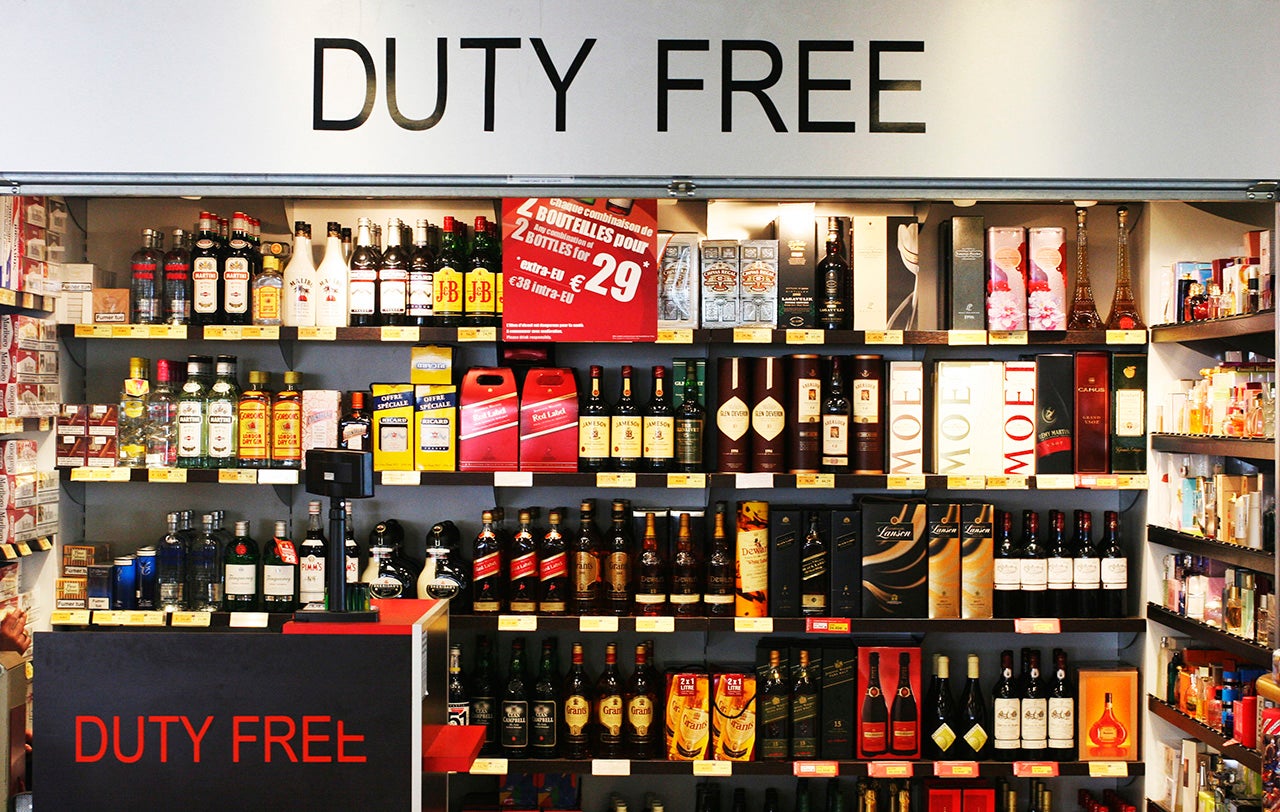
At its core, duty free refers to goods that are exempt from the payment of certain taxes and duties. These taxes typically include import duties, excise taxes, and value-added tax (VAT). The idea behind duty-free shopping is to promote international trade and tourism by allowing travelers to purchase goods in certain designated zones without incurring these taxes. These zones are usually located in international airports, seaports, and border crossings.
The reduction or elimination of these taxes can result in significant savings for travelers, particularly on items that are heavily taxed, such as alcohol, tobacco, perfumes, and luxury goods. However, it’s important to understand the rules and regulations surrounding duty free purchases to avoid any surprises or complications.
The History and Evolution of Duty Free
The concept of duty free shopping has a surprisingly long history. The first duty-free shop was established in 1947 at Shannon Airport in Ireland. Brendan O’Regan, an airport executive, recognized the potential to generate revenue by selling goods to transatlantic passengers who were stopping to refuel. The idea proved to be a resounding success, and soon, duty free shops began to appear in airports around the world.
Over the years, the duty free industry has evolved significantly. What started as a small-scale operation has grown into a multi-billion-dollar global market. The range of products available in duty free shops has also expanded, encompassing everything from cosmetics and electronics to local souvenirs and gourmet foods. Today, duty free shopping is an integral part of the international travel experience for millions of people worldwide.
How Duty Free Works: A Step-by-Step Explanation
To fully understand what is the meaning of duty free, it’s essential to know how the process works. Here’s a breakdown of the key steps involved:
- Designated Zones: Duty free shops are located in designated zones, typically within international airports, seaports, or border crossings. These zones are considered to be outside the customs territory of the country.
- Eligibility: To be eligible to purchase goods duty free, you must be traveling internationally and be able to provide proof of your travel, such as a boarding pass or passport.
- Purchase Limits: There are often limits on the quantity or value of goods that you can purchase duty free. These limits vary depending on the country and the type of goods.
- Declaration: When you arrive at your destination, you may be required to declare any duty free goods that you are carrying. It’s important to be honest and accurate in your declaration to avoid penalties.
- Customs Regulations: Even though you purchased the goods duty free, they may still be subject to customs regulations in your destination country. This means that you may have to pay duties or taxes if you exceed the allowable limits.
Benefits of Duty Free Shopping
One of the most obvious benefits of duty free shopping is the potential for savings. By avoiding import duties, excise taxes, and VAT, you can often purchase goods at a significantly lower price than you would pay in a regular retail store. This is particularly true for high-value items such as luxury goods, electronics, and alcoholic beverages. [See also: Best Duty Free Shopping Tips]
Another advantage of duty free shopping is the convenience. Duty free shops are typically located in airports and seaports, making it easy to browse and purchase goods while you are waiting for your flight or ship. This can be a great way to kill time and pick up some souvenirs or gifts before you leave.
Duty free shops also offer a wide selection of products, ranging from local crafts and souvenirs to international brands and luxury items. This allows you to find unique and interesting items that you might not be able to find elsewhere.
Limitations and Restrictions of Duty Free
While duty free shopping can offer significant benefits, it’s important to be aware of its limitations and restrictions. One of the main limitations is the purchase limits. Most countries have limits on the quantity or value of goods that you can purchase duty free. These limits vary depending on the country and the type of goods. It’s important to check the specific regulations for your destination country before you start shopping.
Another restriction is the customs regulations. Even though you purchased the goods duty free, they may still be subject to customs regulations in your destination country. This means that you may have to pay duties or taxes if you exceed the allowable limits. It’s also important to be aware of any restrictions on the import of certain goods, such as agricultural products or endangered species.
Sometimes, the price difference between duty free and regular retail prices is not as significant as you might expect. This is because duty free shops often charge higher prices than regular retail stores to compensate for the lack of taxes. It’s always a good idea to compare prices before you make a purchase to ensure that you are getting a good deal.
Common Misconceptions About Duty Free
There are several common misconceptions about duty free shopping. One of the most common misconceptions is that all goods in duty free shops are cheaper than in regular retail stores. While this is often the case, it’s not always true. As mentioned earlier, duty free shops may charge higher prices to compensate for the lack of taxes. It’s always a good idea to compare prices before you make a purchase.
Another misconception is that you can purchase unlimited quantities of goods duty free. As mentioned earlier, most countries have limits on the quantity or value of goods that you can purchase duty free. It’s important to check the specific regulations for your destination country before you start shopping. [See also: How to Maximize Your Duty Free Allowance]
Some people also believe that duty free goods are exempt from all taxes and duties. While this is true in the duty free zone, the goods may still be subject to customs regulations in your destination country. This means that you may have to pay duties or taxes if you exceed the allowable limits.
Tips for Smart Duty Free Shopping
To make the most of your duty free shopping experience, here are some tips to keep in mind:
- Do Your Research: Before you travel, research the duty free regulations for your destination country. This will help you understand the purchase limits and customs regulations.
- Compare Prices: Don’t assume that all goods in duty free shops are cheaper than in regular retail stores. Compare prices before you make a purchase to ensure that you are getting a good deal.
- Check the Expiration Dates: If you are purchasing perishable goods, such as food or cosmetics, check the expiration dates to ensure that they are still fresh.
- Be Aware of Restrictions: Be aware of any restrictions on the import of certain goods, such as agricultural products or endangered species.
- Keep Your Receipts: Keep your receipts as proof of purchase. You may need them to declare your goods at customs.
- Plan Ahead: If you know that you want to purchase certain items duty free, plan ahead and make a list. This will help you avoid impulse purchases and stay within your budget.
Duty Free and the Future of Travel Retail
The duty free industry is constantly evolving to meet the changing needs of travelers. With the rise of e-commerce and online shopping, duty free retailers are increasingly focusing on creating unique and engaging shopping experiences. This includes offering personalized recommendations, interactive displays, and exclusive products.
Sustainability is also becoming an increasingly important consideration for duty free retailers. Many companies are implementing sustainable practices, such as reducing packaging waste and sourcing products from local suppliers. This reflects a growing awareness of the environmental impact of travel and retail.
The future of duty free shopping is likely to be characterized by greater personalization, sustainability, and innovation. As technology continues to evolve, duty free retailers will need to adapt and find new ways to engage with travelers and offer them value.
Conclusion: What Duty Free Means for You
So, what is the meaning of duty free? In essence, it’s an opportunity to purchase goods without paying certain taxes and duties, potentially saving you money while traveling internationally. By understanding the rules, regulations, and limitations of duty free shopping, you can make informed decisions and maximize your savings. Remember to do your research, compare prices, and be aware of any restrictions before you start shopping. With a little planning, you can make the most of your next duty free shopping experience and bring home some great souvenirs and gifts.
