Unlocking the Power of Keywords: A Comprehensive Guide
In the ever-evolving landscape of digital marketing, understanding and effectively utilizing keywords is paramount to success. Whether you’re a seasoned marketing professional or just starting out, grasping the nuances of keyword research and implementation can significantly impact your online visibility and drive targeted traffic to your website. This comprehensive guide will delve into the intricacies of keywords, exploring their significance, various types, effective research strategies, and best practices for implementation.
What are Keywords and Why are They Important?
At its core, a keyword is a word or phrase that people use to search for information online. These terms act as a bridge, connecting users with the content they seek. For businesses, keywords serve as the foundation of Search Engine Optimization (SEO), the process of optimizing your website to rank higher in search engine results pages (SERPs). When users search for keywords related to your products or services, a well-optimized website has a higher chance of appearing prominently, leading to increased brand awareness, website traffic, and ultimately, conversions.
The importance of keywords extends beyond simply attracting visitors. They also play a crucial role in understanding your target audience’s needs and intent. By analyzing the keywords people use to find your business, you can gain valuable insights into their search behavior, preferences, and pain points. This information can then be used to tailor your content, marketing strategies, and even product development to better meet their needs. [See also: Understanding User Intent in SEO]
Types of Keywords
Keywords come in various forms, each serving a different purpose and targeting a specific stage of the customer journey. Understanding these different types is essential for crafting a well-rounded keyword strategy.
Short-Tail Keywords
Short-tail keywords are broad, generic terms consisting of one to three words. They typically have high search volume but also high competition. Examples include “shoes,” “marketing software,” and “online courses.” While short-tail keywords can attract a large audience, they often have a lower conversion rate as they lack specificity.
Long-Tail Keywords
Long-tail keywords are longer, more specific phrases that typically consist of four or more words. They have lower search volume compared to short-tail keywords but also lower competition. Examples include “best running shoes for plantar fasciitis,” “affordable marketing software for small businesses,” and “online courses in data science for beginners.” Long-tail keywords are highly targeted and often lead to higher conversion rates as they indicate a clear intent.
Branded Keywords
Branded keywords include your brand name or variations of it. These keywords are essential for protecting your brand reputation and ensuring that users can easily find your website when searching for your company. Examples include “[Your Company Name]” and “[Your Company Name] reviews.”
LSI Keywords (Latent Semantic Indexing)
LSI keywords are terms that are semantically related to your primary keyword. They help search engines understand the context and meaning of your content. For example, if your primary keyword is “coffee,” LSI keywords might include “caffeine,” “espresso,” “latte,” and “roasting.” Incorporating LSI keywords into your content can improve its relevance and ranking.
Keyword Research: Finding the Right Keywords
Effective keyword research is the cornerstone of any successful SEO strategy. It involves identifying the keywords that your target audience is using to search for your products or services. There are several tools and techniques you can use to conduct keyword research:
Google Keyword Planner
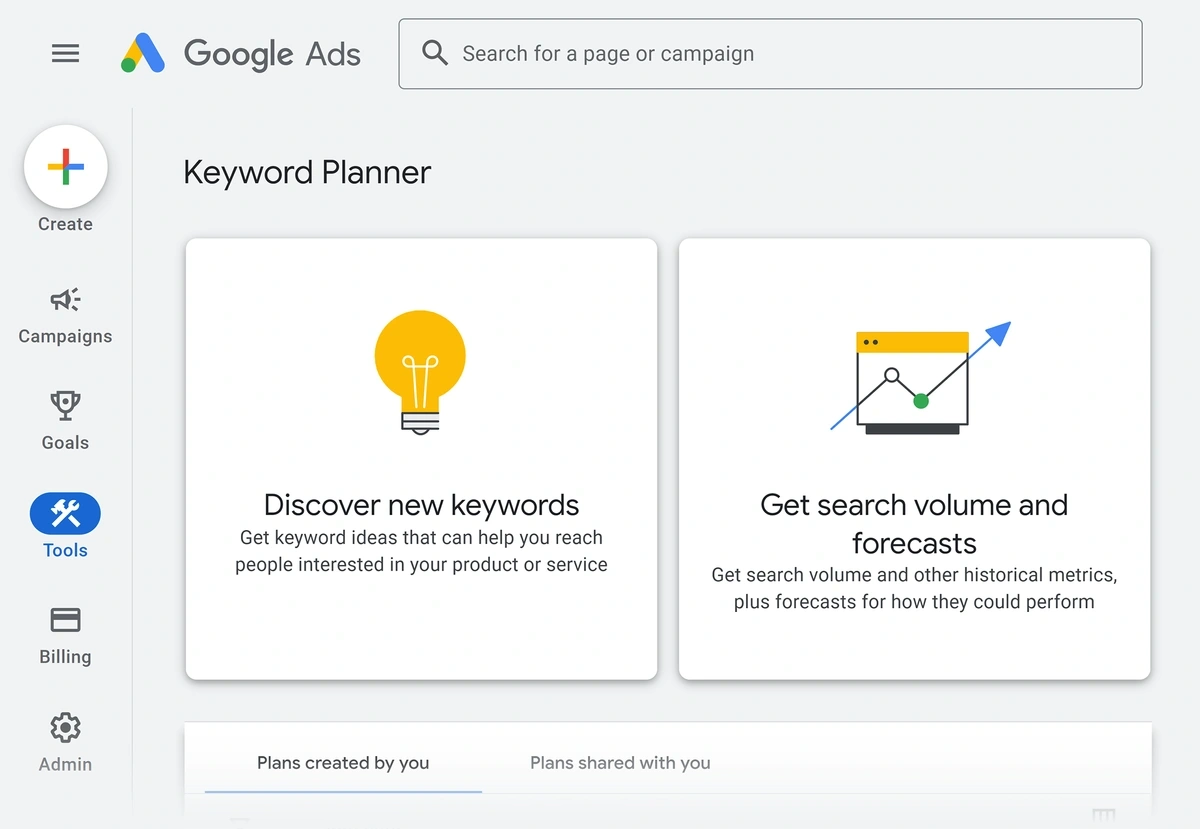
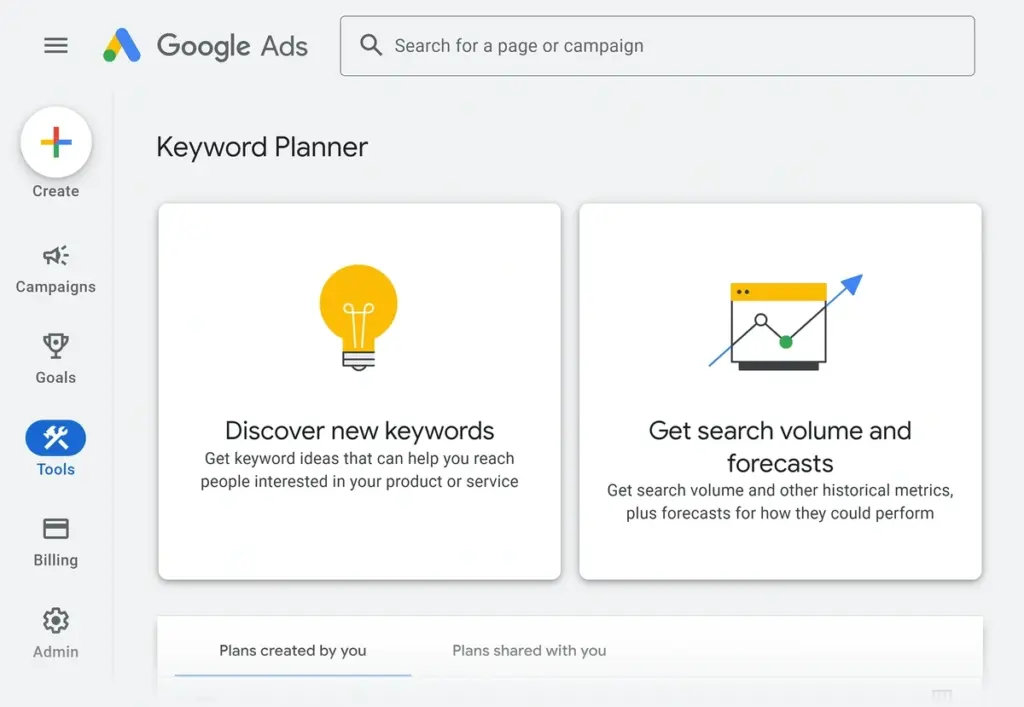
Google Keyword Planner is a free tool provided by Google Ads. It allows you to research keywords, analyze their search volume, and estimate their cost-per-click (CPC). You can also use it to discover new keyword ideas and analyze the competition.
SEMrush
SEMrush is a comprehensive SEO tool that offers a wide range of features, including keyword research, competitor analysis, and site auditing. It allows you to track your keyword rankings, identify opportunities for improvement, and monitor your competitors’ strategies. [See also: Competitor Analysis for SEO]
Ahrefs
Ahrefs is another popular SEO tool that provides in-depth keyword research capabilities. It allows you to analyze keyword difficulty, track your website’s backlink profile, and identify content gaps. Ahrefs is particularly useful for understanding the competitive landscape and identifying opportunities to outrank your competitors.
Moz Keyword Explorer
Moz Keyword Explorer is a user-friendly tool that helps you discover keywords, analyze their search volume, and assess their difficulty. It also provides insights into keyword opportunities and helps you prioritize your efforts.
Keyword Research Process
The keyword research process typically involves the following steps:
- Brainstorming: Start by brainstorming a list of keywords that are relevant to your business and target audience.
- Using Keyword Research Tools: Use the tools mentioned above to expand your list and identify additional keywords.
- Analyzing Search Volume and Competition: Analyze the search volume and competition for each keyword to determine its potential value.
- Identifying Long-Tail Keywords: Focus on identifying long-tail keywords that are highly targeted and have lower competition.
- Grouping Keywords: Group your keywords into relevant categories based on their intent and topic.
Keyword Implementation: Optimizing Your Content
Once you have identified your target keywords, the next step is to implement them effectively into your website content. This involves optimizing various elements of your website to improve its ranking for those keywords.
Title Tags
The title tag is an HTML element that specifies the title of a web page. It is displayed in the search engine results pages (SERPs) and is a crucial factor in determining your website’s ranking. Your title tag should include your primary keyword and accurately reflect the content of the page.
Meta Descriptions
The meta description is an HTML attribute that provides a brief summary of the content of a web page. It is displayed in the SERPs below the title tag. While the meta description does not directly impact your website’s ranking, it can influence click-through rates (CTR). Your meta description should be compelling and include your primary keyword.
Headings (H1-H6)
Headings are used to structure your content and make it easier to read. They also provide search engines with valuable information about the topic of your page. Your headings should include your target keywords and accurately reflect the content of the corresponding section.
Body Content
Your body content should be well-written, informative, and engaging. It should also naturally incorporate your target keywords throughout. Avoid keyword stuffing, which is the practice of excessively repeating keywords in your content. This can negatively impact your website’s ranking and user experience.
Image Alt Text
Image alt text is an HTML attribute that provides a description of an image. It is used by search engines to understand the content of the image and is also displayed to users if the image cannot be loaded. Your image alt text should include your target keywords and accurately describe the image.
URL Structure
Your URL structure should be clean, concise, and include your target keywords. This makes it easier for search engines to understand the topic of your page and can improve your website’s ranking.
Best Practices for Keyword Optimization
To maximize the effectiveness of your keyword strategy, follow these best practices:
- Focus on User Intent: Understand the intent behind the keywords you are targeting and create content that meets the needs of your audience.
- Use Keywords Naturally: Avoid keyword stuffing and focus on incorporating keywords naturally into your content.
- Optimize for Mobile: Ensure that your website is mobile-friendly, as a significant portion of online searches are now conducted on mobile devices.
- Monitor Your Results: Track your keyword rankings and website traffic to measure the effectiveness of your keyword strategy.
- Stay Up-to-Date: The SEO landscape is constantly evolving, so it’s important to stay up-to-date on the latest trends and best practices.
Conclusion
Keywords are the foundation of any successful SEO strategy. By understanding their significance, researching effectively, and implementing them strategically, you can significantly improve your website’s visibility, attract targeted traffic, and achieve your online marketing goals. Remember to focus on user intent, use keywords naturally, and stay up-to-date on the latest SEO trends to maximize your results. The power of keywords, when harnessed correctly, can unlock significant growth for your business in the digital world.
