The Best Books on Technical Analysis: A Comprehensive Guide for Traders
Technical analysis is a method of evaluating investments and identifying trading opportunities by analyzing statistical trends gathered from trading activity, such as price movement and volume. Unlike fundamental analysis, which attempts to evaluate a security’s intrinsic value, technical analysis focuses on charts and indicators to predict future price movements. For traders looking to master this approach, selecting the best books on technical analysis is crucial. This article provides a comprehensive guide to some of the most valuable resources available, helping both beginners and experienced traders enhance their skills.
Understanding Technical Analysis: Why Read Books?
Before diving into specific titles, it’s essential to understand why books remain a valuable resource in the digital age. While online resources and courses abound, books offer a structured, in-depth exploration of concepts. The best books on technical analysis provide a foundational understanding that can be difficult to obtain from scattered online articles. They often include detailed explanations, historical context, and practical examples that build a solid knowledge base.
Moreover, the discipline of reading a book encourages focused learning and critical thinking. Authors typically present their ideas in a logical sequence, allowing readers to gradually absorb and apply the information. This structured approach is particularly beneficial for grasping the complexities of technical analysis.
Top Recommendations: The Best Books on Technical Analysis
Here’s a curated list of some of the best books on technical analysis, categorized by skill level and specific areas of focus:
For Beginners: Building a Solid Foundation
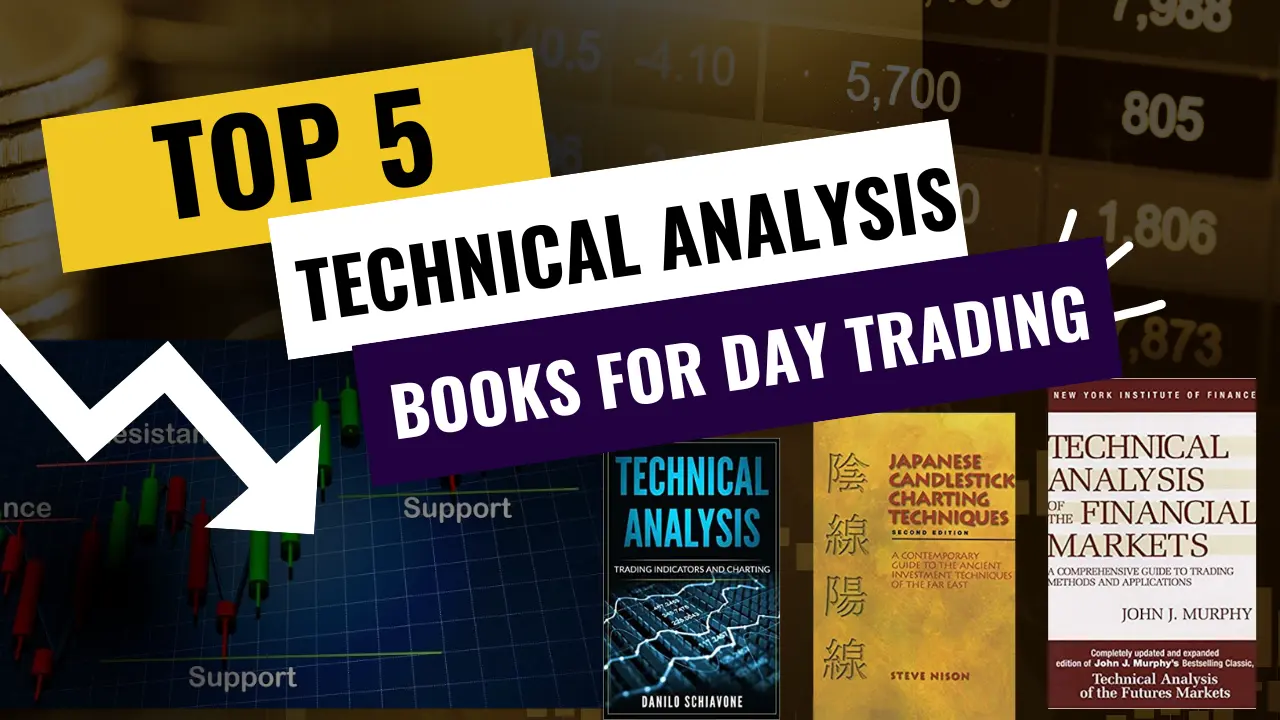
- Technical Analysis of the Financial Markets: A Comprehensive Guide to Trading Strategies and Techniques by John J. Murphy: Often considered the bible of technical analysis, this book covers virtually every aspect of the field. It starts with basic concepts like chart patterns and trends and progresses to more advanced topics like market cycles and intermarket analysis. Murphy’s clear writing style and numerous examples make it an excellent resource for beginners.
- Getting Started in Technical Analysis by Jack D. Schwager: Schwager, known for his Market Wizards series, provides a concise and accessible introduction to technical analysis. This book focuses on the practical application of technical indicators and chart patterns, making it ideal for those who want to start trading quickly.
- Japanese Candlestick Charting Techniques by Steve Nison: Candlestick charts are a fundamental tool in technical analysis. Nison’s book provides a comprehensive guide to understanding and interpreting candlestick patterns, offering insights into market sentiment and potential price movements.
Intermediate Level: Deepening Your Knowledge
- Trading in the Zone: Master the Market with Confidence, Discipline, and a Winning Attitude by Mark Douglas: While not strictly a technical analysis book, this book is crucial for developing the right mindset for trading. Douglas explores the psychological aspects of trading, helping readers overcome fear and greed and develop a disciplined approach to the markets.
- Technical Analysis Using Multiple Timeframes by Brian Shannon: This book delves into the power of analyzing price action across different timeframes. Shannon provides practical strategies for identifying high-probability trading opportunities by combining short-term and long-term perspectives.
- Mastering the Trade, Second Edition: Proven Techniques for Profiting from Intraday and Swing Trading Setups by John F. Carter: Carter offers a practical guide to intraday and swing trading, covering topics like market timing, risk management, and trade execution. The book includes numerous real-world examples and actionable strategies.
Advanced Techniques: Mastering the Art of Trading
- Reminiscences of a Stock Operator by Edwin Lefèvre: This fictionalized biography of legendary trader Jesse Livermore provides valuable insights into market psychology and trading strategies. While not a technical analysis book per se, it offers timeless lessons on risk management, market timing, and the importance of discipline.
- How to Make Money in Stocks: A Winning System in Good Times or Bad by William J. O’Neil: O’Neil, the founder of Investor’s Business Daily, presents the CAN SLIM investment system, which combines technical analysis with fundamental analysis. This book offers a comprehensive approach to identifying and profiting from growth stocks.
- Elliott Wave Principle: A Key to Market Behavior by A.J. Frost and Robert Prechter: This book delves into the Elliott Wave Principle, a complex but powerful tool for analyzing market cycles and predicting future price movements. It requires a significant time investment to master but can provide valuable insights into market dynamics.
Key Concepts Covered in the Best Books on Technical Analysis
The best books on technical analysis typically cover a range of essential concepts, including:
- Chart Patterns: Understanding and identifying various chart patterns, such as head and shoulders, double tops and bottoms, and triangles, is crucial for predicting potential price movements.
- Technical Indicators: Mastering the use of technical indicators like Moving Averages, Relative Strength Index (RSI), Moving Average Convergence Divergence (MACD), and Fibonacci retracements can help traders identify overbought and oversold conditions and potential entry and exit points.
- Trend Analysis: Identifying and trading with the prevailing trend is a fundamental principle of technical analysis. Books on this topic teach readers how to identify trends, determine their strength, and anticipate potential reversals.
- Volume Analysis: Analyzing trading volume can provide valuable insights into market sentiment and the strength of price movements. Understanding volume patterns can help traders confirm or reject potential trading signals.
- Risk Management: Effective risk management is essential for successful trading. The best books on technical analysis emphasize the importance of setting stop-loss orders, managing position size, and diversifying portfolios.
Choosing the Right Book for You
Selecting the best books on technical analysis depends on your current skill level, trading style, and specific interests. Beginners should start with introductory texts that cover the basics of charting, indicators, and trend analysis. More experienced traders may want to delve into advanced topics like Elliott Wave Theory or intermarket analysis. Consider also whether you prefer a book focused on day trading, swing trading, or long-term investing, as the strategies and techniques will vary.
Consider your learning style as well. Some books are more theoretical, while others are more practical and hands-on. Look for books that include plenty of examples, charts, and exercises to help you apply the concepts you’re learning. Reading reviews and seeking recommendations from other traders can also help you make an informed decision.
Integrating Technical Analysis into Your Trading Strategy
Reading the best books on technical analysis is just the first step. To truly master the art of technical analysis, you need to integrate it into your trading strategy and practice consistently. Start by identifying a few key indicators and chart patterns that resonate with you and focus on mastering them. Use a demo account or paper trading to test your strategies and refine your approach. Keep a trading journal to track your progress and identify areas for improvement.
Remember that technical analysis is not a crystal ball. It’s a tool that can help you identify potential trading opportunities and manage risk, but it’s not foolproof. Combine technical analysis with other forms of analysis, such as fundamental analysis and sentiment analysis, to get a more complete picture of the market. Stay flexible and adapt your strategies as market conditions change.
The Future of Technical Analysis
As technology continues to evolve, so too will the field of technical analysis. The rise of algorithmic trading and artificial intelligence is transforming the way markets operate, and traders need to adapt to stay ahead of the curve. The best books on technical analysis provide a foundation for understanding these changes and developing new strategies for navigating the modern market landscape. Machine learning, for example, can be used to identify patterns and predict price movements with greater accuracy than traditional methods. However, the core principles of technical analysis, such as understanding price action, identifying trends, and managing risk, will remain relevant for years to come.
Conclusion: Investing in Your Trading Education
Investing in your trading education is one of the best investments you can make. The best books on technical analysis offer a wealth of knowledge and insights that can help you become a more successful and profitable trader. By studying these resources, practicing consistently, and staying adaptable, you can develop the skills and mindset needed to thrive in the dynamic world of financial markets. Remember to continuously seek knowledge and refine your strategies as the market evolves, and always prioritize risk management to protect your capital. The journey to becoming a skilled technical analyst is ongoing, but the rewards can be significant for those who are willing to put in the time and effort.
[See also: Understanding Stock Charts: A Beginner’s Guide]
[See also: Mastering Day Trading: Strategies and Techniques]
[See also: Risk Management for Traders: Protecting Your Capital]
