Duty Free Shop Meaning: A Comprehensive Guide for Travelers
Navigating the world of travel often involves encountering various terms and concepts that can be confusing. One such term is “duty free shop.” Understanding the duty free shop meaning can significantly enhance your travel experience, allowing you to make informed decisions and potentially save money. This article delves into the intricacies of duty free shopping, exploring its definition, benefits, limitations, and everything else you need to know.
What is a Duty Free Shop?
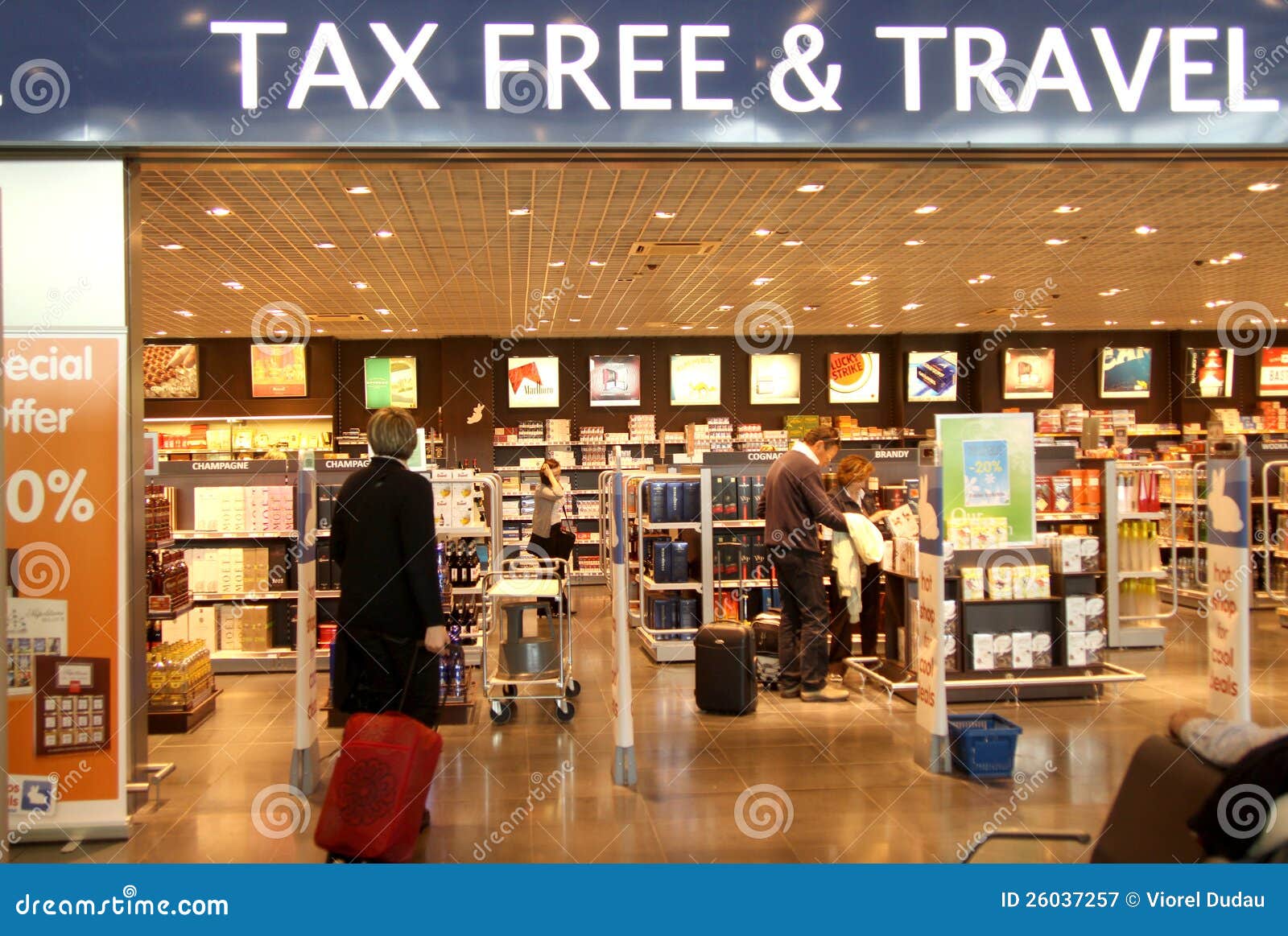
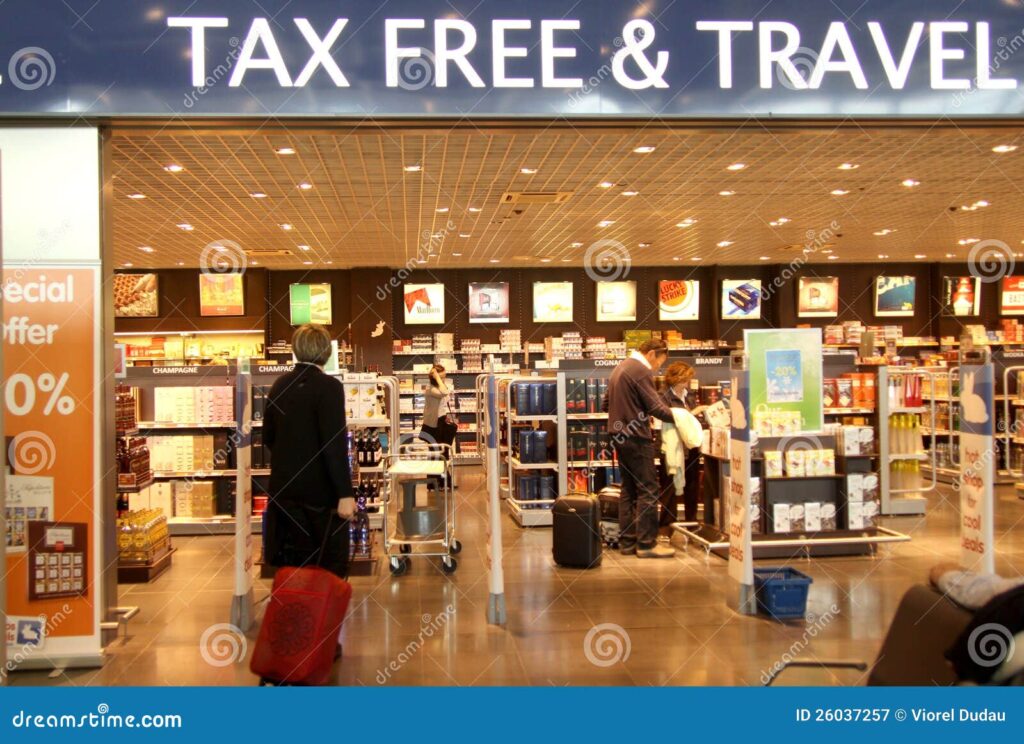
A duty free shop is a retail outlet that is authorized to sell goods without the imposition of certain local or national taxes and duties. These shops are typically found in international zones such as airports, seaports, and border crossings. The primary appeal of duty free shops lies in the potential cost savings, as the prices of goods are often lower compared to regular retail stores due to the absence of taxes like value-added tax (VAT) or excise duties.
The duty free shop meaning extends beyond just a place to buy discounted goods. It represents a specific economic arrangement designed to facilitate international travel and trade. By allowing travelers to purchase goods without paying certain taxes, governments aim to encourage tourism and stimulate economic activity within international transit areas.
The History of Duty Free Shopping
The concept of duty free shops dates back to the mid-20th century. The first duty free shop was established at Shannon Airport in Ireland in 1947. Brendan O’Regan is credited with pioneering this concept as a way to provide a service for transatlantic passengers whose flights often stopped at Shannon to refuel. The idea quickly gained traction, and duty free shops began to appear in other international airports around the world.
Over the decades, the duty free shop meaning has evolved, becoming a significant part of the travel retail industry. Today, duty free shopping is a multi-billion dollar global market, with a wide range of products available, from luxury goods to everyday essentials.
How Duty Free Shops Work
To fully grasp the duty free shop meaning, it’s essential to understand how these shops operate. The key is the exemption from taxes and duties. Here’s a breakdown:
- Tax Exemption: Duty free shops are exempt from paying certain taxes on the goods they sell. This exemption is granted by the government, provided that the goods are sold to travelers who are departing the country or region.
- Eligibility: To purchase goods from a duty free shop, you typically need to present a valid boarding pass or travel document that proves you are traveling internationally. This ensures that the goods are indeed being exported and are therefore eligible for the tax exemption.
- Restrictions: There are often restrictions on the quantity of goods you can purchase duty free. These restrictions vary depending on the country and the type of product. For example, there may be limits on the amount of alcohol or tobacco you can buy.
- Customs Regulations: Keep in mind that while you may not be paying taxes in the country of purchase, you may still be subject to customs duties and taxes upon arrival in your destination country. It’s crucial to be aware of the customs regulations of your destination to avoid any surprises.
What Products Can You Find in Duty Free Shops?
The range of products available in duty free shops is vast and varied. While it can differ from store to store, here are some of the most common items you’ll find:
- Alcohol: Spirits, wines, and beers are popular items in duty free shops. The prices are often significantly lower than in regular retail stores due to the absence of excise duties.
- Tobacco: Cigarettes, cigars, and other tobacco products are also commonly available at discounted prices.
- Perfumes and Cosmetics: Luxury perfumes, skincare products, and cosmetics are frequently sold in duty free shops, often with exclusive travel sets or limited-edition items.
- Fashion and Accessories: Some duty free shops offer a selection of clothing, handbags, sunglasses, and other accessories from well-known brands.
- Electronics: Headphones, travel adapters, and other electronic gadgets can sometimes be found in duty free shops, although the selection may be limited.
- Confectionery: Chocolates, candies, and other sweets are popular items, especially for last-minute gifts.
- Souvenirs: Many duty free shops sell local souvenirs and handicrafts, allowing travelers to pick up a memento of their trip.
Benefits of Shopping at Duty Free Shops
The primary benefit of shopping at duty free shops is the potential cost savings. By avoiding taxes and duties, you can often purchase goods at lower prices than you would in regular retail stores. This can be particularly advantageous for high-value items like alcohol, tobacco, and luxury goods.
Another benefit is the convenience. Duty free shops are typically located in airports and other travel hubs, making it easy to shop while you’re waiting for your flight or crossing a border. This can be a convenient way to pick up last-minute gifts or stock up on travel essentials.
Additionally, duty free shops often offer exclusive products or travel sets that are not available elsewhere. This can be a great opportunity to purchase unique items or take advantage of special promotions.
Limitations and Considerations
While duty free shopping can be appealing, it’s important to be aware of its limitations and potential drawbacks.
- Not Always the Cheapest: While the absence of taxes can lead to lower prices, it’s not always the case. Sometimes, regular retail stores may offer competitive prices or special discounts that make them a better deal. It’s always a good idea to compare prices before making a purchase.
- Customs Regulations: As mentioned earlier, you may still be subject to customs duties and taxes upon arrival in your destination country. It’s crucial to be aware of these regulations to avoid any issues.
- Quantity Restrictions: There are often limits on the quantity of goods you can purchase duty free. Exceeding these limits can result in your goods being confiscated or you being required to pay taxes and duties.
- Fake Products: Although rare, there have been instances of counterfeit or fake products being sold in duty free shops. To avoid this, it’s best to stick to reputable retailers and be wary of unusually low prices.
Tips for Smart Duty Free Shopping
To make the most of your duty free shopping experience, consider these tips:
- Compare Prices: Before making a purchase, compare prices with regular retail stores and online retailers to ensure you’re getting the best deal.
- Know Your Limits: Be aware of the customs regulations and quantity restrictions of your destination country to avoid any issues.
- Plan Ahead: If you know you want to purchase specific items, research prices and availability in advance to save time and avoid impulse purchases.
- Check Expiry Dates: For perishable items like cosmetics and food, check the expiry dates to ensure they are still valid.
- Keep Your Receipts: Keep your receipts as proof of purchase, especially if you need to claim a refund or return an item.
The Future of Duty Free Shopping
The duty free shop meaning continues to evolve in the face of changing travel patterns and economic conditions. The industry is adapting to new challenges, such as increased competition from online retailers and changing consumer preferences.
One trend is the increasing focus on personalization and customer experience. Duty free shops are investing in technology and innovative store designs to create a more engaging and enjoyable shopping environment.
Another trend is the growing emphasis on sustainability and ethical sourcing. Consumers are increasingly demanding products that are environmentally friendly and ethically produced, and duty free shops are responding by offering a wider range of sustainable and ethical products.
Conclusion
Understanding the duty free shop meaning is essential for any traveler looking to save money and enhance their travel experience. By knowing how these shops work, what products are available, and what limitations to be aware of, you can make informed decisions and take advantage of the potential cost savings. Remember to compare prices, know your limits, and plan ahead to make the most of your duty free shopping experience. While there are limitations and considerations, the advantages often outweigh the disadvantages, making duty free shops a valuable resource for savvy travelers. So, the next time you find yourself in an international airport, take a moment to explore the duty free shop and see what treasures you can find. Happy travels and happy shopping!
[See also: Tax-Free Shopping Guide for Tourists]
[See also: Airport Retail Strategies: Maximizing Revenue]
[See also: International Travel Checklist: Essential Items to Pack]
