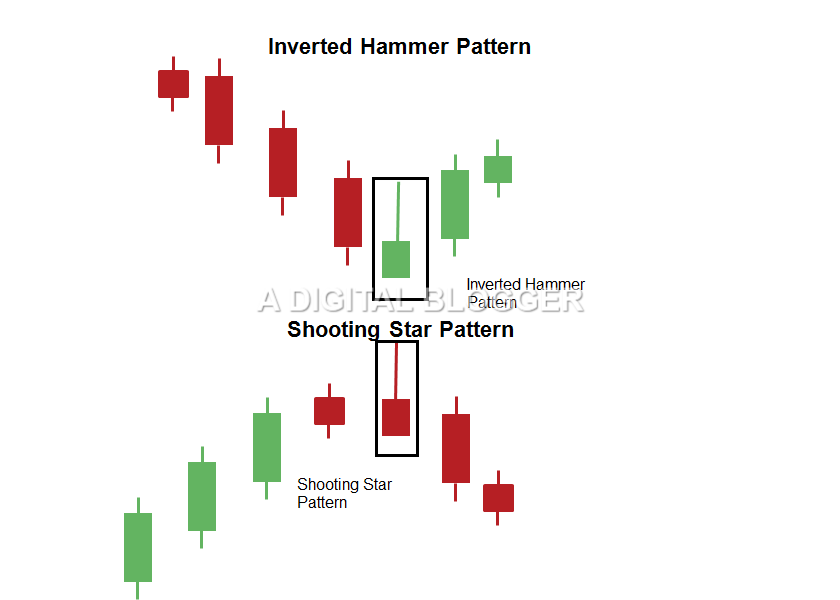
Unveiling the Hammer Pattern: A Comprehensive Guide for Traders
In the dynamic world of financial markets, identifying potential trend reversals is crucial for successful trading. Among the various candlestick patterns that traders rely on, the hammer pattern stands out as a significant indicator of a possible bullish reversal. This article delves into the intricacies of the hammer pattern, exploring its formation, interpretation, significance, and how to effectively incorporate it into your trading strategy. Understanding the nuances of the hammer pattern can provide valuable insights into market sentiment and potentially profitable trading opportunities.
What is the Hammer Candlestick Pattern?
The hammer pattern is a single candlestick pattern that appears on a price chart when a security has been declining. It is characterized by a small body at the upper end of the trading range and a long lower shadow, which should be at least twice the length of the body. The color of the body (whether it’s bullish or bearish) isn’t as important as the shape, but a bullish (green or white) body is often considered a slightly stronger signal. The upper shadow, if any, should be very small or non-existent.
Key Characteristics of a Hammer Pattern
- Small Body: The real body (the difference between the open and close price) is relatively small.
- Long Lower Shadow: The lower shadow is significantly longer than the body, indicating that sellers initially drove the price down, but buyers then stepped in to push the price back up.
- Little or No Upper Shadow: Ideally, there should be little to no upper shadow.
- Appears After a Downtrend: The hammer pattern is only valid if it forms after a period of price decline.
Interpreting the Hammer Pattern
The hammer pattern signals a potential bullish reversal because it suggests that even though sellers were initially in control, buyers ultimately overpowered them by the end of the trading period. This indicates a shift in market sentiment from bearish to potentially bullish. The long lower shadow represents the distance the price fell before buyers intervened, demonstrating strong buying pressure.
Psychology Behind the Hammer
The psychology behind the hammer pattern is quite compelling. Imagine a stock that has been consistently declining. During the trading session in which the hammer pattern forms, sellers push the price down significantly. However, at some point, buyers enter the market in force, absorbing the selling pressure and driving the price back up towards the opening price (or even higher, resulting in a bullish body). This sudden influx of buying interest suggests that the downtrend may be losing momentum, and a reversal could be imminent.
How to Identify a Valid Hammer Pattern
Identifying a valid hammer pattern requires careful observation and consideration of several factors:
- Prior Trend: Ensure that the hammer pattern appears after a clear downtrend. A hammer pattern that forms in an uptrend or sideways market is not considered a valid signal.
- Lower Shadow Length: The lower shadow should be at least twice the length of the body. A longer shadow generally indicates stronger buying pressure.
- Body Color: While not a strict requirement, a bullish (green or white) body is often preferred, as it suggests that the buying pressure was strong enough to push the closing price above the opening price.
- Confirmation: It’s crucial to wait for confirmation of the hammer pattern before entering a trade. Confirmation typically comes in the form of a bullish candlestick that closes above the high of the hammer candlestick on the subsequent trading day.
Trading Strategies Using the Hammer Pattern
The hammer pattern can be a valuable tool in your trading arsenal when used correctly. Here are some common trading strategies that incorporate the hammer pattern:
Entry Points
The most common entry point is after confirmation. Once a candlestick closes above the high of the hammer pattern, it signals that the bullish reversal is likely underway. Aggressive traders might enter a long position immediately after the confirming candlestick opens, while more conservative traders may wait for a slight pullback before entering.
Stop-Loss Placement
Proper stop-loss placement is essential for managing risk. A common approach is to place the stop-loss order just below the low of the hammer pattern. This protects against the possibility of the price continuing to decline, invalidating the bullish signal.
Profit Targets
Determining appropriate profit targets depends on your risk tolerance and trading style. One approach is to use a fixed risk-reward ratio, such as 1:2 or 1:3. Another approach is to identify potential resistance levels on the chart and set profit targets accordingly. [See also: Support and Resistance Trading]
Hammer vs. Hanging Man: Understanding the Difference
It’s important to distinguish the hammer pattern from the hanging man pattern, as they have different implications. Both patterns have the same shape – a small body and a long lower shadow – but they appear in different contexts.
- Hammer: Appears after a downtrend and signals a potential bullish reversal.
- Hanging Man: Appears after an uptrend and signals a potential bearish reversal. The hanging man suggests that sellers are starting to gain control, and a downtrend could be on the horizon.
The key difference lies in the preceding trend. A hammer pattern is a bullish signal after a downtrend, while a hanging man is a bearish signal after an uptrend. Confusing the two can lead to incorrect trading decisions.
Real-World Examples of the Hammer Pattern
To illustrate the effectiveness of the hammer pattern, let’s consider a hypothetical example. Suppose you are tracking a stock that has been in a consistent downtrend for several weeks. You notice a candlestick forming with a small body and a long lower shadow. This could be a hammer pattern. To confirm, you wait for the next candlestick to close above the high of the hammer. If it does, this confirms the hammer pattern and suggests a potential bullish reversal. You might then enter a long position, placing your stop-loss just below the low of the hammer and setting a profit target based on a predetermined risk-reward ratio or a resistance level.
Limitations of the Hammer Pattern
While the hammer pattern can be a valuable indicator, it’s essential to be aware of its limitations:
- False Signals: Like all technical indicators, the hammer pattern is not foolproof. False signals can occur, leading to losing trades.
- Market Context: The effectiveness of the hammer pattern can be influenced by the overall market context. In highly volatile or uncertain market conditions, the pattern may be less reliable.
- Confirmation is Key: Always wait for confirmation before acting on a hammer pattern. Trading solely based on the pattern without confirmation can increase the risk of losses.
Combining the Hammer Pattern with Other Indicators
To improve the accuracy of the hammer pattern, consider combining it with other technical indicators, such as:
- Moving Averages: Using moving averages can help confirm the trend and identify potential support levels. [See also: Understanding Moving Averages]
- Relative Strength Index (RSI): The RSI can help identify oversold conditions, which can increase the likelihood of a successful bullish reversal.
- Volume Analysis: Analyzing trading volume can provide additional insights into the strength of the buying pressure. A hammer pattern accompanied by high volume is generally considered a stronger signal.
Conclusion
The hammer pattern is a powerful candlestick pattern that can provide valuable insights into potential bullish reversals. By understanding its formation, interpretation, and limitations, traders can effectively incorporate it into their trading strategies. Remember to always wait for confirmation, manage risk appropriately, and consider combining the hammer pattern with other technical indicators to improve its accuracy. With practice and experience, you can master the art of identifying and trading the hammer pattern, potentially enhancing your profitability in the financial markets.
