Decoding NFT Rarity: A Comprehensive Guide to Rarity Tools
The world of Non-Fungible Tokens (NFTs) has exploded in popularity, transforming digital art, collectibles, and even real estate into unique, verifiable assets. As the NFT market matures, understanding the nuances of NFT value becomes increasingly important. One crucial factor driving NFT valuation is rarity. This is where rarity tools come into play. These platforms provide data-driven insights into the scarcity of individual NFTs within a collection, helping collectors and investors make informed decisions. This article delves into the world of rarity tools, exploring their functionality, benefits, limitations, and how to effectively use them to navigate the complexities of the NFT market.
Understanding NFT Rarity
Before diving into the specifics of rarity tools, it’s essential to grasp the concept of NFT rarity itself. Unlike fungible tokens like Bitcoin, each NFT is unique. This uniqueness stems from its metadata, which describes the attributes or properties of the NFT. For example, an NFT from a digital avatar collection might have traits like specific hairstyles, clothing, accessories, or backgrounds. The combination of these traits, and the frequency with which they appear within the entire collection, determines the NFT’s rarity.
An NFT with a combination of rare traits is generally considered more valuable than one with common traits. This is because scarcity drives demand. Think of it like collecting baseball cards: a common card might be worth pennies, while a rare error card can fetch thousands of dollars. The same principle applies to NFTs.
What are Rarity Tools?
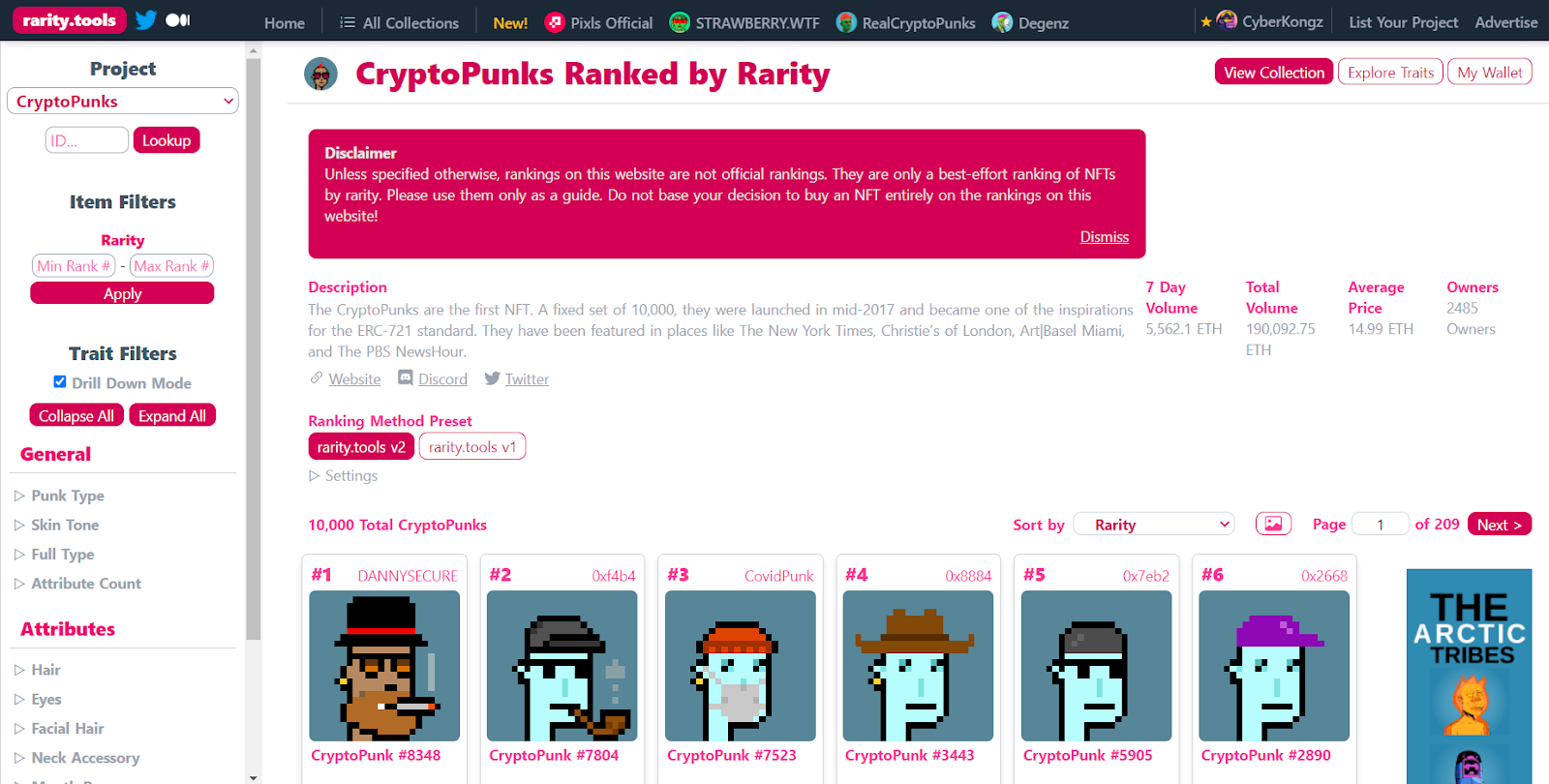
Rarity tools are platforms designed to analyze NFT metadata and calculate a rarity score for each NFT within a collection. They aggregate data on traits, their frequencies, and then use algorithms to rank NFTs based on their overall rarity. These tools provide a standardized way to assess the scarcity of an NFT, making it easier for buyers and sellers to understand its potential value. Essentially, they automate the tedious process of manually examining the traits of each NFT in a collection and comparing them to the overall distribution.
How Rarity Tools Work
The core functionality of most rarity tools revolves around these key steps:
- Data Collection: The tool first gathers all the metadata associated with an NFT collection. This includes information about each NFT’s traits, attributes, and any other relevant properties.
- Frequency Analysis: Next, the tool analyzes the frequency of each trait within the collection. For example, it determines how many NFTs have a specific type of hat, background color, or other characteristic.
- Rarity Score Calculation: Based on the frequency analysis, the tool assigns a rarity score to each trait. Traits that appear less frequently receive higher scores. Different rarity tools use different algorithms to calculate these scores, but the underlying principle remains the same: scarcity equals a higher score.
- NFT Ranking: Finally, the tool aggregates the rarity scores for all the traits of a particular NFT to arrive at an overall rarity score. NFTs are then ranked based on this score, with the rarest NFTs appearing at the top of the list.
Popular Rarity Calculation Methods
While the goal of all rarity tools is the same – to determine NFT rarity – the methods they use can vary. Here are some common calculation methods:
- Average Rarity: This method simply averages the rarity scores of all the traits an NFT possesses. It’s a straightforward approach but can be less accurate than other methods.
- Statistical Rarity: This method uses statistical analysis to determine the probability of an NFT having its specific combination of traits. It often incorporates weighted averages, giving more importance to certain traits.
- Rarity Score (Sum of Rarity): This is a common method where the rarity score of each trait is added together to get a total rarity score for the NFT.
- Trait Rarity Ranking: This method ranks each trait based on its frequency and then uses these rankings to determine the overall rarity of the NFT.
Benefits of Using Rarity Tools
Using rarity tools offers several advantages for NFT collectors and investors:
- Informed Decision-Making: Rarity tools provide data-driven insights that can help you make more informed decisions about which NFTs to buy or sell. Instead of relying on gut feeling or hype, you can base your choices on objective rarity scores.
- Price Discovery: Rarity scores can help you determine a fair price for an NFT. By comparing the rarity score of an NFT to its listed price, you can assess whether it’s undervalued or overvalued.
- Time Savings: Manually analyzing the rarity of each NFT in a collection can be incredibly time-consuming. Rarity tools automate this process, saving you valuable time and effort.
- Identifying Hidden Gems: Sometimes, NFTs with rare traits can be overlooked in the market. Rarity tools can help you identify these hidden gems and potentially acquire them at a lower price.
- Collection Management: For collectors, rarity tools can help them organize and manage their NFT collections, allowing them to easily identify their rarest and most valuable assets.
Limitations of Rarity Tools
While rarity tools are valuable resources, it’s important to be aware of their limitations:
- Algorithm Variations: Different rarity tools use different algorithms, which can result in varying rarity scores for the same NFT. It’s crucial to understand the specific algorithm used by each tool and to compare results across multiple platforms.
- Subjectivity of Value: Rarity is only one factor that influences an NFT’s value. Other factors, such as artistic merit, community sentiment, and historical significance, also play a role. A rare NFT might not necessarily be valuable if it lacks appeal in other areas.
- Manipulation Potential: Some NFT projects may attempt to manipulate rarity scores by artificially inflating the scarcity of certain traits. Be wary of collections that seem to have unusually high rarity scores for common traits.
- Metadata Accuracy: Rarity tools rely on the accuracy of the NFT’s metadata. If the metadata is incorrect or incomplete, the rarity scores will be inaccurate as well.
- “Fake Rarity”: Some projects intentionally create “fake rarity” by including very rare traits that are undesirable or aesthetically unappealing. A high rarity score doesn’t always translate to high value.
Popular Rarity Tools in the Market
Several rarity tools are available to NFT enthusiasts. Here are a few of the most popular options:
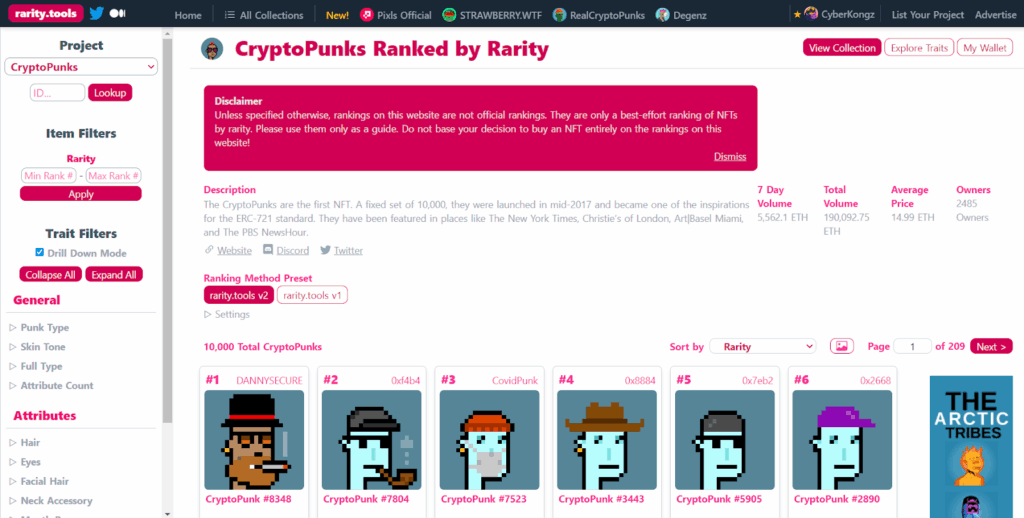
- Rarity.Tools: One of the most well-known and widely used rarity tools, Rarity.Tools provides rarity rankings for a vast number of NFT collections. [See also: How to Use Rarity.Tools Effectively]
- Trait Sniper: This tool offers advanced filtering and sorting options, allowing you to quickly identify NFTs with specific traits.
- OpenRarity: A collaborative effort aimed at establishing a standardized rarity ranking system across the NFT ecosystem.
- NFTGO: A comprehensive NFT data platform that includes rarity rankings, market analytics, and portfolio tracking features.
- icy.tools: This provides real-time NFT analytics, including rarity scores, sales data, and market trends.
How to Effectively Use Rarity Tools
To get the most out of rarity tools, consider these tips:
- Use Multiple Tools: Compare rarity scores across different platforms to get a more comprehensive view of an NFT’s rarity.
- Understand the Algorithm: Familiarize yourself with the algorithm used by each tool to better interpret the results.
- Consider Other Factors: Don’t rely solely on rarity scores. Evaluate the NFT’s artistic merit, community sentiment, and historical significance as well.
- Verify Metadata: Double-check the NFT’s metadata to ensure its accuracy.
- Be Wary of Manipulation: Be cautious of collections that seem to be manipulating rarity scores.
- Do Your Research: Always conduct thorough research before investing in any NFT. Rarity tools are just one piece of the puzzle.
The Future of Rarity Tools
As the NFT market continues to evolve, rarity tools will likely become even more sophisticated and integrated into the overall NFT ecosystem. We can expect to see improvements in algorithm accuracy, more comprehensive data coverage, and tighter integration with NFT marketplaces. [See also: The Evolution of NFT Marketplaces] Furthermore, the development of standardized rarity ranking systems, like OpenRarity, will help to create a more transparent and reliable market for NFTs.
Conclusion
Rarity tools are invaluable resources for anyone involved in the NFT market. They provide a data-driven approach to assessing NFT value, helping collectors and investors make more informed decisions. However, it’s crucial to remember that rarity is just one factor to consider. By combining the insights provided by rarity tools with your own research and judgment, you can navigate the complexities of the NFT market with greater confidence. Understanding the power of rarity tools can significantly improve your NFT investment strategy, leading to potentially more profitable outcomes. Always remember to conduct thorough research and consider all factors before making any investment decisions in the dynamic world of NFTs.
