What is Deflation Economics? Understanding Causes, Effects, and Solutions
Deflation economics, a phenomenon characterized by a sustained decrease in the general price level of goods and services, stands as a significant macroeconomic concern. Unlike inflation, which erodes purchasing power, deflation increases the real value of money, allowing consumers to buy more with the same amount of currency. While this might initially seem beneficial, persistent deflation can trigger a cascade of negative economic consequences. Understanding the nuances of deflation economics is crucial for policymakers and individuals alike, as its impact can ripple through various sectors, influencing investment, employment, and overall economic stability. This article delves into the causes, effects, and potential solutions related to deflation, offering a comprehensive overview of this complex economic issue.
Understanding Deflation: A Deep Dive
To fully grasp the intricacies of deflation economics, it’s essential to define what deflation truly entails. Deflation is not merely a temporary dip in prices; it’s a sustained and widespread decline across the economy. This decline is often measured by the Consumer Price Index (CPI), which tracks the average change in prices paid by urban consumers for a basket of consumer goods and services. When the CPI shows a consistent downward trend over a prolonged period, it signals the presence of deflation. The opposite of inflation, it’s a negative inflation rate.
The Causes of Deflation
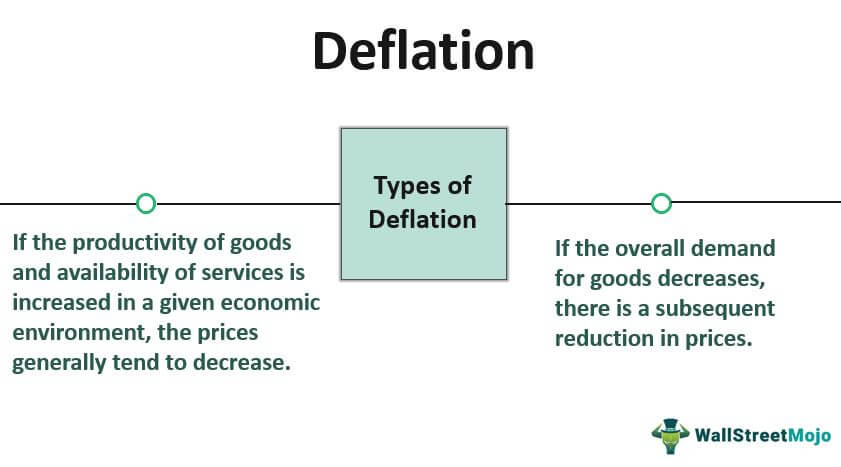
Several factors can contribute to the onset of deflation. One primary cause is a decrease in aggregate demand, which occurs when there’s a reduced overall desire for goods and services in the economy. This can stem from various sources, including:
- Recessions: During economic downturns, unemployment rises, incomes fall, and consumer confidence plummets, leading to a sharp decline in spending.
- High Interest Rates: Elevated borrowing costs can discourage investment and consumption, further dampening demand.
- Government Austerity Measures: When governments cut spending to reduce debt, it can contract the economy and contribute to deflation.
Another significant driver of deflation is an increase in aggregate supply without a corresponding rise in demand. This can happen due to:
- Technological Advancements: Innovation can boost productivity, leading to lower production costs and increased supply.
- Globalization: Increased trade and competition can drive down prices as businesses strive to remain competitive.
- Increased Efficiency: Streamlined production processes and improved supply chain management can also lead to lower prices.
The Negative Effects of Deflation
While lower prices might seem appealing on the surface, persistent deflation can have detrimental consequences for the economy. Some of the most significant negative effects include:
- Debt Burden: Deflation increases the real value of debt, making it more difficult for borrowers to repay their loans. This can lead to defaults, bankruptcies, and financial instability.
- Decreased Investment: Businesses may postpone investments in new projects or expansions, anticipating further price declines. This can stifle economic growth and job creation.
- Reduced Consumption: Consumers may delay purchases, expecting prices to fall further. This can create a self-reinforcing cycle of declining demand and falling prices.
- Increased Real Interest Rates: Even if nominal interest rates are low, deflation can push real interest rates (nominal interest rates minus inflation) to high levels, discouraging borrowing and investment.
- Wage Cuts: Companies struggling with falling prices may resort to wage cuts, which can further depress demand and exacerbate the deflationary spiral.
Historical Examples of Deflation
Deflation is not a theoretical concept; it has occurred in various economies throughout history. Examining these historical episodes provides valuable insights into the causes and consequences of deflation.
The Great Depression (1930s)
The Great Depression serves as a stark reminder of the devastating effects of deflation. A sharp contraction in the money supply, coupled with a decline in aggregate demand, led to a prolonged period of falling prices. This deflation exacerbated the economic downturn, leading to widespread unemployment, bank failures, and social unrest. The real value of debt increased dramatically, crippling businesses and individuals alike. [See also: Causes of the Great Depression]
Japan’s Lost Decade (1990s)
In the 1990s, Japan experienced a prolonged period of deflation following the collapse of its asset bubble. Overinvestment during the bubble years led to excess capacity, which, coupled with declining demand, resulted in falling prices. This deflation hampered economic growth and led to a prolonged period of stagnation. The Bank of Japan struggled to combat deflation, implementing various monetary policies with limited success. [See also: Japan’s Economic History]
The 2008 Financial Crisis
While not a full-blown deflationary spiral, the 2008 financial crisis triggered a period of disinflation (a slowdown in the rate of inflation) and fears of deflation in many countries. The collapse of Lehman Brothers and the subsequent credit crunch led to a sharp decline in aggregate demand. Governments and central banks responded with aggressive fiscal and monetary stimulus measures to avert a deflationary collapse. [See also: The 2008 Financial Crisis Explained]
Strategies for Combating Deflation
Given the potential negative consequences of deflation, policymakers employ various strategies to combat it. These strategies typically involve stimulating aggregate demand and preventing a self-reinforcing deflationary spiral.
Monetary Policy
Central banks play a crucial role in combating deflation through monetary policy. Some common monetary policy tools include:
- Lowering Interest Rates: Reducing interest rates can encourage borrowing and investment, stimulating demand.
- Quantitative Easing (QE): QE involves a central bank injecting liquidity into the financial system by purchasing assets, such as government bonds. This can lower long-term interest rates and increase the money supply.
- Negative Interest Rates: In some cases, central banks have experimented with negative interest rates on commercial banks’ reserves held at the central bank. This is intended to encourage banks to lend more money.
Fiscal Policy
Governments can also use fiscal policy to combat deflation. Fiscal policy tools include:
- Increased Government Spending: Governments can increase spending on infrastructure projects, social programs, or tax cuts to stimulate demand.
- Tax Cuts: Reducing taxes can increase disposable income, encouraging consumers to spend more.
Other Strategies
Beyond monetary and fiscal policies, other strategies can be employed to combat deflation:
- Devaluation of Currency: A weaker currency can make exports more competitive and imports more expensive, boosting aggregate demand.
- Price Controls: In extreme cases, governments may impose price controls to prevent prices from falling too rapidly. However, this is generally considered a last resort due to potential distortions in the market.
The Future of Deflation Economics
The risk of deflation remains a concern in many developed economies. Factors such as aging populations, high levels of debt, and technological disruption could potentially contribute to deflationary pressures in the future. Policymakers must remain vigilant and be prepared to deploy appropriate measures to prevent deflation from taking hold. Understanding deflation economics is more important than ever in navigating the complex economic landscape of the 21st century.
In conclusion, deflation is a complex economic phenomenon with potentially severe consequences. While lower prices might seem appealing at first glance, persistent deflation can lead to a self-reinforcing cycle of declining demand, increased debt burdens, and economic stagnation. By understanding the causes, effects, and potential solutions related to deflation, policymakers and individuals can better prepare for and mitigate its risks. The study of deflation economics provides valuable insights into the workings of modern economies and the challenges they face.
