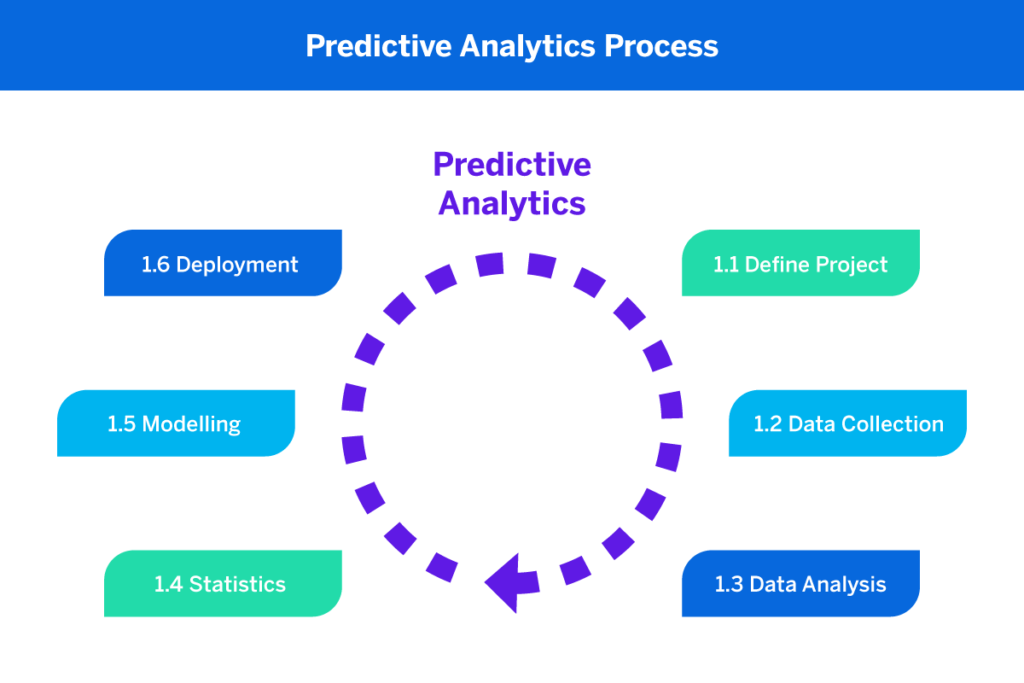
Navigating the Future: Mastering the Art of Trading Prediction
In the dynamic world of finance, the ability to anticipate market movements is the holy grail for traders and investors alike. Trading prediction, the practice of forecasting future price fluctuations based on historical data, technical analysis, and fundamental factors, has become a cornerstone of strategic decision-making. While predicting the market with absolute certainty remains an elusive goal, sophisticated techniques and a deep understanding of market dynamics can significantly improve the odds of success. This article delves into the intricacies of trading prediction, exploring its methodologies, challenges, and the ethical considerations that accompany its application.
Understanding the Fundamentals of Trading Prediction
Trading prediction is not merely guesswork; it’s a multifaceted discipline that requires a comprehensive understanding of various analytical tools and market forces. At its core, it involves analyzing past and present data to identify patterns and trends that can inform future price movements. These patterns can be gleaned from various sources, including:
- Historical Price Data: Examining past price charts to identify recurring patterns such as support and resistance levels, chart formations (e.g., head and shoulders, double tops), and candlestick patterns.
- Technical Indicators: Utilizing mathematical calculations based on price and volume data to generate trading signals. Common indicators include Moving Averages, Relative Strength Index (RSI), Moving Average Convergence Divergence (MACD), and Fibonacci retracements.
- Fundamental Analysis: Evaluating the intrinsic value of an asset by analyzing macroeconomic factors (e.g., interest rates, inflation, GDP growth), industry trends, and company-specific information (e.g., earnings reports, financial statements, management quality).
- Sentiment Analysis: Gauging market sentiment through news articles, social media posts, and other sources to understand the prevailing mood of investors.
Successful trading prediction requires a synthesis of these different approaches, recognizing that no single method is foolproof. Market dynamics are constantly evolving, and what worked in the past may not necessarily work in the future. Therefore, adaptability and a willingness to learn are crucial for long-term success.
Key Methodologies in Trading Prediction
Several methodologies are employed in the quest for accurate trading prediction. Here are some of the most prominent:
Technical Analysis: Deciphering the Charts
Technical analysis is the cornerstone of many trading prediction strategies. It assumes that all known information is reflected in the price and that historical price patterns tend to repeat themselves. Technical analysts use a variety of tools and techniques to identify these patterns and generate trading signals. [See also: Understanding Technical Analysis for Stock Trading]
Common technical analysis tools include:
- Chart Patterns: Recognizing formations like head and shoulders, double tops/bottoms, triangles, and flags that suggest potential price reversals or continuations.
- Candlestick Patterns: Identifying patterns formed by individual candlesticks or combinations of candlesticks that provide insights into market sentiment and potential price movements.
- Trendlines: Drawing lines connecting price points to identify the direction of the prevailing trend.
- Support and Resistance Levels: Identifying price levels where buying or selling pressure is expected to be strong, potentially leading to price reversals.
Fundamental Analysis: Evaluating Intrinsic Value
Fundamental analysis focuses on determining the intrinsic value of an asset by analyzing its underlying economic and financial factors. This approach is particularly useful for long-term trading prediction, as it aims to identify assets that are undervalued or overvalued by the market. [See also: Fundamental Analysis vs. Technical Analysis: Which is Better?]
Key aspects of fundamental analysis include:
- Macroeconomic Analysis: Assessing the overall economic environment, including factors such as GDP growth, inflation, interest rates, and unemployment.
- Industry Analysis: Evaluating the competitive landscape and growth prospects of the industry in which the asset operates.
- Company-Specific Analysis: Analyzing the financial statements, management quality, and competitive advantages of the company.
Quantitative Analysis: Leveraging Data and Algorithms
Quantitative analysis involves using mathematical models and statistical techniques to analyze large datasets and identify trading opportunities. This approach is often used in algorithmic trading prediction, where computer programs automatically execute trades based on pre-defined rules. [See also: Introduction to Algorithmic Trading]
Key techniques in quantitative analysis include:
- Statistical Arbitrage: Identifying temporary price discrepancies between related assets and profiting from their convergence.
- Time Series Analysis: Analyzing historical data to identify patterns and forecast future values.
- Machine Learning: Using algorithms to learn from data and make predictions without explicit programming.
Sentiment Analysis: Gauging Market Mood
Sentiment analysis involves analyzing news articles, social media posts, and other sources to gauge the overall sentiment of investors. This information can be used to identify potential shifts in market direction. For example, a surge in negative sentiment could indicate a potential sell-off, while a wave of positive sentiment could signal a potential rally. The use of AI in trading prediction is increasing, especially in sentiment analysis.
The Challenges and Pitfalls of Trading Prediction
While trading prediction can be a powerful tool, it’s essential to acknowledge its limitations and potential pitfalls. The market is inherently unpredictable, and no strategy can guarantee consistent profits. Some of the key challenges include:
- Market Volatility: Unexpected events, such as geopolitical crises or economic shocks, can disrupt even the most well-researched predictions.
- Data Overload: The sheer volume of data available to traders can be overwhelming, making it difficult to identify meaningful patterns.
- Cognitive Biases: Traders are susceptible to cognitive biases, such as confirmation bias and anchoring bias, which can distort their judgment and lead to poor trading decisions.
- Overfitting: Developing models that are too closely tailored to historical data, resulting in poor performance on new data. This is especially true when using machine learning for trading prediction.
- The Black Swan Effect: Unpredictable events with extreme consequences can render even the most sophisticated models useless.
To mitigate these challenges, traders should:
- Diversify their strategies: Avoid relying on a single trading prediction method.
- Manage risk effectively: Use stop-loss orders and position sizing to limit potential losses.
- Continuously learn and adapt: Stay informed about market developments and refine their strategies accordingly.
- Be aware of their own biases: Actively challenge their assumptions and seek out alternative perspectives.
Ethical Considerations in Trading Prediction
The pursuit of accurate trading prediction also raises ethical considerations. The use of insider information or manipulative tactics to gain an unfair advantage is unethical and illegal. Traders should adhere to the highest standards of integrity and transparency. [See also: Ethical Investing: Aligning Values with Financial Goals]
Furthermore, the increasing use of algorithmic trading and artificial intelligence in trading prediction raises concerns about market fairness and stability. Regulators are grappling with how to ensure that these technologies are used responsibly and do not create systemic risks.
The Future of Trading Prediction
The future of trading prediction is likely to be shaped by advancements in technology and data analysis. Machine learning and artificial intelligence are poised to play an increasingly important role in identifying patterns and generating trading signals. The availability of vast amounts of data will also enable traders to develop more sophisticated and accurate models.
However, the human element will remain crucial. Traders will need to possess strong analytical skills, critical thinking abilities, and a deep understanding of market dynamics to effectively interpret the output of these models and make informed decisions. The best trading prediction strategies will likely combine the power of technology with the wisdom of human judgment.
In conclusion, trading prediction is a complex and challenging endeavor that requires a combination of analytical skills, market knowledge, and ethical conduct. While predicting the future with certainty is impossible, a disciplined approach to analysis and risk management can significantly improve the odds of success in the financial markets. The key is to embrace continuous learning, adapt to changing market conditions, and always prioritize ethical behavior.
