Understanding Cross Trade: Navigating International Transactions
In the dynamic world of international commerce, businesses are constantly seeking opportunities to expand their reach and optimize their supply chains. One such strategy that facilitates this is cross trade, also known as triangular trade or third-country trade. This intricate process involves the movement of goods from a supplier in one country to a customer in another, without the goods ever entering the seller’s country. This article delves into the intricacies of cross trade, exploring its benefits, challenges, and key considerations for businesses venturing into this complex yet rewarding arena.
What is Cross Trade?
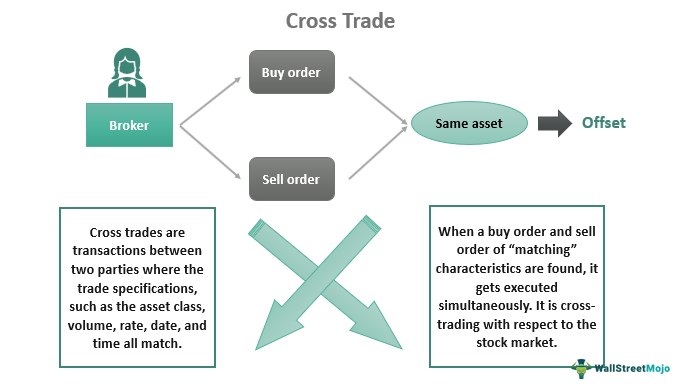
Cross trade is essentially an international transaction where the seller is located in one country, the supplier in another, and the buyer in yet another. The goods are shipped directly from the supplier’s location to the buyer’s destination, bypassing the seller’s country altogether. This differs from traditional import/export scenarios where the goods first arrive in the seller’s country before being re-exported. Imagine a scenario where a company in the United States sources products from a manufacturer in China and sells them directly to a customer in Germany. This is a classic example of cross trade.
Benefits of Cross Trade
Cross trade offers several compelling advantages for businesses willing to navigate its complexities:
- Reduced Transportation Costs: By shipping goods directly from the supplier to the buyer, businesses can significantly reduce transportation costs associated with double handling and shipping. This is particularly beneficial for bulky or heavy goods.
- Faster Delivery Times: Eliminating the need to route goods through the seller’s country can lead to faster delivery times, improving customer satisfaction and enhancing competitiveness.
- Access to Global Markets: Cross trade allows businesses to tap into new markets without establishing a physical presence in those countries. This opens up opportunities for growth and diversification.
- Optimized Supply Chains: By sourcing goods directly from suppliers in different countries, businesses can optimize their supply chains and take advantage of favorable pricing or specialized expertise.
- Tax Advantages: In some cases, cross trade transactions may be subject to more favorable tax treatment compared to traditional import/export scenarios. However, it’s crucial to consult with tax professionals to understand the specific regulations in each jurisdiction.
Challenges of Cross Trade
While cross trade offers numerous benefits, it also presents several challenges that businesses need to be aware of:
- Complex Logistics: Managing the logistics of cross trade transactions can be complex, requiring expertise in international shipping, customs regulations, and trade finance.
- Currency Fluctuations: Fluctuations in exchange rates can impact the profitability of cross trade transactions, especially if payments are made in different currencies.
- Cultural Differences: Dealing with suppliers and customers from different cultural backgrounds can present communication and negotiation challenges.
- Legal and Regulatory Compliance: Cross trade transactions are subject to the laws and regulations of multiple countries, which can be complex and time-consuming to navigate. Businesses must ensure they comply with all relevant trade regulations, including export controls, import restrictions, and customs requirements.
- Risk Management: Cross trade transactions involve various risks, including political instability, natural disasters, and payment defaults. Businesses need to implement effective risk management strategies to mitigate these risks.
Key Considerations for Cross Trade
Before engaging in cross trade, businesses should carefully consider the following factors:
Thorough Due Diligence
Conduct thorough due diligence on suppliers and customers to ensure their reliability and financial stability. This includes checking their credit ratings, verifying their business licenses, and obtaining references from other customers.
Clear Contracts
Establish clear contracts with suppliers and customers that outline the terms of the transaction, including pricing, payment terms, delivery schedules, and dispute resolution mechanisms. These contracts should address potential risks and liabilities associated with the cross trade transaction.
Expert Logistics Partners
Partner with experienced logistics providers who have a strong understanding of international shipping, customs regulations, and trade finance. These partners can help manage the complexities of cross trade transactions and ensure that goods are delivered on time and in compliance with all applicable regulations. [See also: Choosing a Freight Forwarder]
Secure Payment Methods
Utilize secure payment methods, such as letters of credit or escrow services, to minimize the risk of payment defaults. These methods provide a guarantee that the seller will receive payment once the goods have been delivered to the buyer.
Insurance Coverage
Obtain adequate insurance coverage to protect against potential losses due to damage, theft, or other unforeseen events. This insurance should cover the entire value of the goods being shipped in the cross trade transaction.
Staying Informed
Stay informed about changes in trade regulations, currency fluctuations, and political developments that could impact cross trade transactions. This requires continuous monitoring of global events and a willingness to adapt to changing circumstances.
Navigating the Legal Landscape of Cross Trade
Successfully executing a cross trade deal requires a strong understanding of the legal and regulatory environment. This is not just about knowing the trade laws of the countries involved, but also understanding international trade agreements and conventions that might apply. For example, the Incoterms (International Commercial Terms) define the responsibilities of sellers and buyers for the delivery of goods under sales contracts. Understanding and correctly applying Incoterms is vital in cross trade to avoid disputes over liability and costs. [See also: Understanding Incoterms]
Furthermore, compliance with export controls and sanctions is paramount. Businesses must ensure that the goods they are trading are not subject to export restrictions in the supplier’s country or import restrictions in the buyer’s country. Failure to comply with these regulations can result in significant penalties and legal repercussions. Regularly checking sanction lists and export control regulations is a crucial step in the cross trade process.
The Role of Technology in Cross Trade
Technology plays an increasingly important role in facilitating cross trade. From online platforms that connect buyers and sellers to sophisticated logistics management systems, technology can streamline the entire process and reduce costs. For instance, blockchain technology can be used to create a transparent and secure record of all transactions, reducing the risk of fraud and improving efficiency. [See also: Blockchain in Supply Chain Management]
Furthermore, data analytics can provide valuable insights into market trends, supplier performance, and customer demand, helping businesses make more informed decisions about their cross trade activities. By leveraging technology, businesses can gain a competitive edge and optimize their cross trade operations.
Cross Trade in Specific Industries
Cross trade is prevalent in various industries, including:
- Electronics: Sourcing components from Asia and selling finished products in Europe.
- Apparel: Manufacturing garments in developing countries and distributing them globally.
- Commodities: Trading raw materials such as oil, metals, and agricultural products.
- Machinery: Exporting industrial equipment from developed countries to emerging markets.
Each industry presents its own unique challenges and opportunities for cross trade. For example, the electronics industry requires careful management of supply chains to ensure the timely delivery of components, while the commodities industry is subject to volatile price fluctuations.
Future Trends in Cross Trade
The future of cross trade is likely to be shaped by several key trends:
- Increased Globalization: As global trade barriers continue to fall, cross trade is likely to become even more prevalent.
- Technological Advancements: New technologies, such as artificial intelligence and blockchain, will further streamline and optimize cross trade operations.
- Sustainability Concerns: Businesses will increasingly need to consider the environmental impact of their cross trade activities and adopt sustainable practices.
- Geopolitical Shifts: Changes in the global political landscape could impact trade flows and create new opportunities for cross trade.
Conclusion
Cross trade is a powerful tool for businesses looking to expand their global reach and optimize their supply chains. While it presents several challenges, the benefits of reduced costs, faster delivery times, and access to new markets make it an attractive option for many companies. By carefully considering the key factors outlined in this article and partnering with experienced logistics providers, businesses can successfully navigate the complexities of cross trade and unlock its full potential. Understanding the nuances of cross trade is crucial for success in today’s interconnected global economy. As businesses continue to seek efficiencies and expand into new markets, cross trade will undoubtedly remain a significant element of international commerce. Remember, thorough planning, due diligence, and a strong understanding of international regulations are essential for navigating the complexities of cross trade and achieving sustainable growth.
