Navigating the Complex World of Finance and Financial Markets
The realm of finance and financial markets is a dynamic and intricate ecosystem that shapes economies worldwide. From individual investors to multinational corporations, understanding the fundamentals of finance is crucial for making informed decisions and achieving financial goals. This article delves into the key aspects of financial markets, exploring their function, participants, and the forces that drive them.
Understanding Finance: A Foundational Overview
Finance, at its core, is the management of money and other assets. It encompasses a wide range of activities, including investing, borrowing, lending, budgeting, and forecasting. The study of finance explores how individuals, businesses, and governments acquire, allocate, and utilize financial resources to achieve their objectives.
Key areas within finance include:
- Corporate Finance: Focuses on how companies make financial decisions, such as capital budgeting, dividend policy, and mergers and acquisitions.
- Personal Finance: Deals with individual financial planning, including budgeting, saving, investing, and retirement planning.
- Public Finance: Involves the role of government in the economy, including taxation, government spending, and debt management.
- Investment Management: Focuses on the selection and management of investments, such as stocks, bonds, and mutual funds.
The Role of Financial Markets
Financial markets are platforms where buyers and sellers trade financial instruments, such as stocks, bonds, currencies, and commodities. These markets play a vital role in allocating capital, facilitating investment, and providing liquidity to the economy. They are the lifeblood of modern finance.
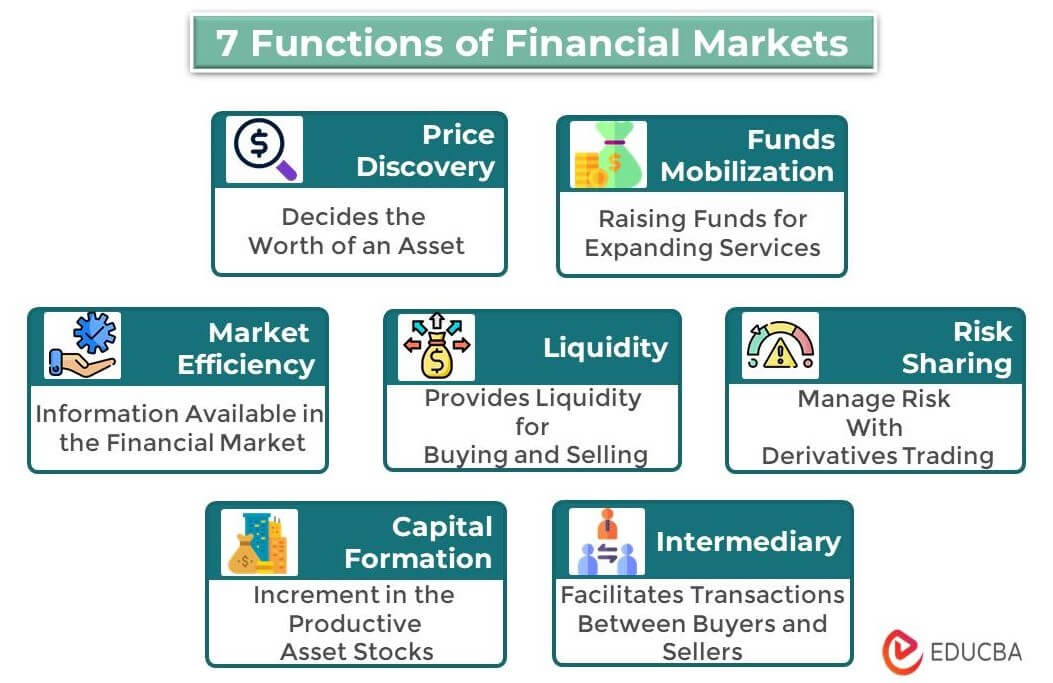
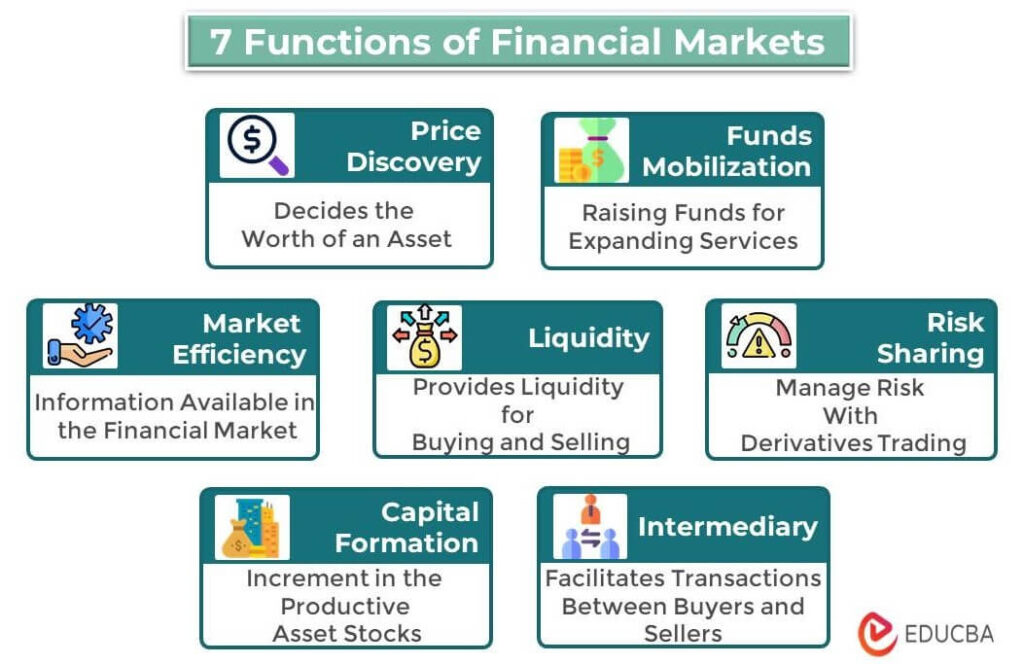
Financial markets serve several essential functions:
- Price Discovery: Financial markets determine the prices of assets based on supply and demand, reflecting the collective expectations of market participants.
- Liquidity: Financial markets provide a venue for investors to buy and sell assets quickly and easily, enhancing liquidity and reducing transaction costs.
- Capital Allocation: Financial markets channel funds from savers to borrowers, enabling businesses to invest in productive assets and driving economic growth.
- Risk Management: Financial markets offer tools for managing risk, such as derivatives, which allow investors to hedge against potential losses.
Types of Financial Markets
Financial markets can be broadly categorized into several types, each with its own characteristics and participants:
Money Markets
Money markets are markets for short-term debt instruments, such as Treasury bills, commercial paper, and certificates of deposit. These markets are highly liquid and are used by corporations and governments to manage their short-term cash needs. The instruments traded in money markets typically have maturities of less than one year.
Capital Markets
Capital markets are markets for long-term debt and equity instruments, such as stocks and bonds. These markets are used by corporations and governments to raise capital for long-term investments. Capital markets are further divided into primary markets, where new securities are issued, and secondary markets, where existing securities are traded.
Foreign Exchange (Forex) Markets
Forex markets are markets for currencies, where individuals, businesses, and governments can buy and sell currencies to facilitate international trade and investment. The forex market is the largest and most liquid financial market in the world, with trillions of dollars changing hands daily.
Commodity Markets
Commodity markets are markets for raw materials and agricultural products, such as oil, gold, and wheat. These markets are used by producers and consumers to hedge against price fluctuations and to speculate on future price movements. Financial instruments traded in commodity markets include futures contracts and options.
Derivatives Markets
Derivatives markets are markets for financial contracts whose value is derived from an underlying asset, such as stocks, bonds, or commodities. Derivatives are used to manage risk, speculate on price movements, and create leveraged investment strategies. Common types of derivatives include futures, options, and swaps.
Key Participants in Financial Markets
Financial markets are populated by a diverse range of participants, each with their own objectives and strategies:
- Individual Investors: Individuals who invest their own money in stocks, bonds, and other financial assets.
- Institutional Investors: Organizations that invest on behalf of others, such as pension funds, mutual funds, and insurance companies.
- Corporations: Businesses that raise capital in financial markets to fund their operations and investments.
- Governments: Governments that issue bonds to finance their spending and manage their debt.
- Financial Intermediaries: Institutions that facilitate transactions between buyers and sellers, such as banks, brokers, and dealers.
Factors Influencing Financial Markets
Financial markets are influenced by a multitude of factors, including:
- Economic Conditions: Economic growth, inflation, and interest rates can all impact financial market performance.
- Monetary Policy: Central bank policies, such as interest rate adjustments and quantitative easing, can have a significant impact on financial markets.
- Fiscal Policy: Government spending and taxation policies can influence economic activity and financial market sentiment.
- Geopolitical Events: Political instability, trade wars, and other geopolitical events can create uncertainty and volatility in financial markets.
- Investor Sentiment: Investor confidence and risk appetite can drive market trends and create periods of boom and bust.
The Importance of Financial Literacy
In today’s complex financial landscape, financial literacy is more important than ever. Understanding the basics of finance and financial markets can empower individuals to make informed decisions about their money and achieve their financial goals. [See also: Understanding Investment Strategies] Financial literacy encompasses a range of skills, including budgeting, saving, investing, and debt management.
Furthermore, understanding how financial markets work allows individuals to better prepare for economic downturns and take advantage of opportunities. Knowing the difference between a stock and a bond, or understanding the impact of interest rates on investments, can significantly improve financial outcomes.
The Future of Finance
The world of finance is constantly evolving, driven by technological innovation, regulatory changes, and shifting economic conditions. The rise of fintech, or financial technology, is transforming the way financial services are delivered, making them more accessible, efficient, and transparent. [See also: The Impact of Fintech on Traditional Banking] Blockchain technology, artificial intelligence, and big data are just a few of the innovations that are reshaping the financial landscape.
As financial markets become increasingly globalized and interconnected, understanding the complexities of international finance will be essential for investors and businesses alike. Navigating the challenges and opportunities of the future requires a solid foundation in finance and a commitment to lifelong learning.
Conclusion
Finance and financial markets are integral to the functioning of modern economies. They provide the mechanisms for allocating capital, managing risk, and facilitating economic growth. By understanding the key concepts and principles of finance, individuals and businesses can make informed decisions and achieve their financial objectives. As the financial landscape continues to evolve, staying informed and adapting to change will be crucial for success in the world of finance.
The intersection of finance and financial markets presents both opportunities and challenges. A strong understanding of these concepts is crucial for navigating the complexities of the modern economy and making informed decisions. Whether you are an individual investor, a business owner, or simply someone interested in understanding how the world works, finance and financial markets are essential topics to explore.
