Navigating the World of Duty-Free: A Comprehensive Guide
The allure of duty-free shopping beckons travelers worldwide, promising savings on a variety of goods. But what exactly is duty-free, and how can you make the most of this opportunity? This comprehensive guide will demystify the world of duty-free, exploring its definition, benefits, limitations, and practical tips for savvy shoppers.
Understanding the Definition of Duty-Free
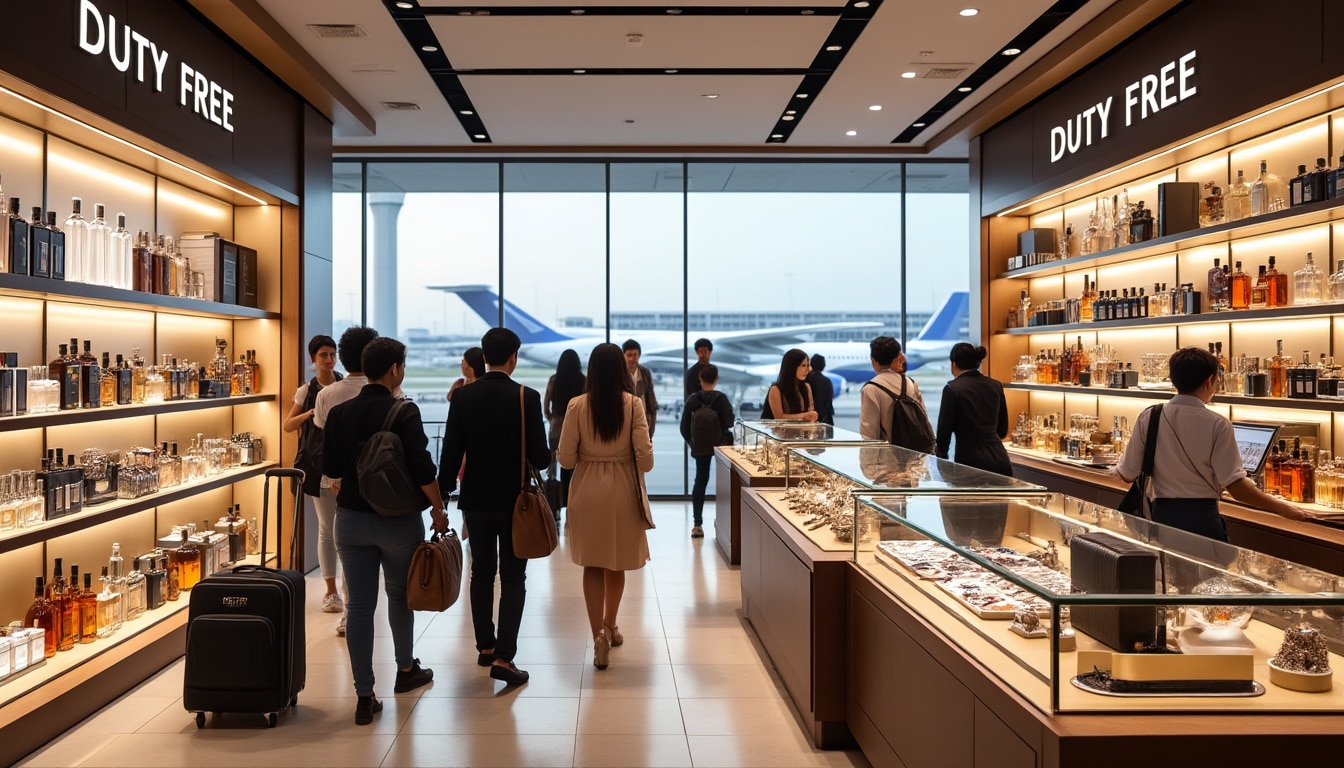
At its core, duty-free refers to the exemption of certain taxes and duties on goods sold to travelers in designated areas, typically international airports, seaports, and border crossings. These areas are considered outside the customs territory of a country, allowing retailers to sell products without the usual import duties and taxes. The specific regulations and allowances vary significantly from country to country, making it essential to understand the rules of your destination and origin.
The concept of duty-free shopping is rooted in international agreements aimed at facilitating trade and tourism. By allowing travelers to purchase goods without incurring local taxes, countries aim to attract tourists and boost their economies. This system creates a win-win situation, benefiting both travelers who save money and retailers who increase their sales.
The History and Evolution of Duty-Free
The first duty-free shop was established in 1947 at Shannon Airport in Ireland. Brendan O’Regan, a pioneering airport manager, conceived the idea to offer tax-free goods to transatlantic passengers whose flights often stopped for refueling. This innovative concept quickly gained popularity, and duty-free shops began to appear in airports around the world.
Over the decades, the duty-free industry has evolved significantly. Initially focused on alcohol and tobacco, duty-free shops now offer a wide range of products, including perfumes, cosmetics, electronics, fashion items, and local souvenirs. The industry has also become more sophisticated, with retailers employing advanced marketing techniques and creating luxurious shopping environments to attract customers.
Benefits of Duty-Free Shopping
The primary benefit of duty-free shopping is, of course, the potential for savings. By avoiding taxes and duties, travelers can often purchase goods at significantly lower prices than they would pay in domestic retail stores. This is particularly true for high-value items like luxury goods and electronics.
Another advantage of duty-free shopping is the opportunity to purchase exclusive products that may not be available elsewhere. Many brands offer limited-edition items or travel-exclusive sets specifically for duty-free shops. This allows travelers to acquire unique souvenirs and gifts that they cannot find at home.
Furthermore, duty-free shops often provide a convenient and hassle-free shopping experience. Located within airports and other travel hubs, they offer a captive audience of travelers with time to spare. This makes it easy to browse and purchase goods without having to venture into crowded city centers.
Limitations and Considerations
While duty-free shopping offers numerous benefits, it’s essential to be aware of its limitations and potential drawbacks. One crucial factor is the allowance limit. Each country has specific regulations regarding the amount and type of goods that travelers can bring in duty-free. Exceeding these limits can result in hefty fines and confiscation of goods.
Another important consideration is the actual savings offered by duty-free shops. While some products may be significantly cheaper, others may only offer marginal discounts. It’s always a good idea to compare prices with domestic retailers to ensure that you’re actually getting a good deal. Factors like currency exchange rates and promotional offers can also influence the overall cost.
Additionally, be mindful of the potential for impulsive purchases. The excitement of travel and the allure of duty-free shops can sometimes lead to overspending. It’s wise to set a budget and stick to it, avoiding unnecessary purchases that you may later regret.
Tips for Savvy Duty-Free Shopping
To make the most of your duty-free shopping experience, consider the following tips:
- Research allowance limits: Before you travel, familiarize yourself with the duty-free allowance limits of your destination country. This will help you avoid exceeding the limits and incurring penalties.
- Compare prices: Don’t assume that all duty-free products are cheaper. Compare prices with domestic retailers to ensure that you’re getting a good deal.
- Plan ahead: If you know you want to purchase specific items, research prices and availability in advance. This will save you time and prevent impulsive purchases.
- Be aware of currency exchange rates: Currency fluctuations can affect the overall cost of your duty-free purchases. Keep an eye on exchange rates and factor them into your budget.
- Check for promotions and discounts: Duty-free shops often offer special promotions and discounts. Take advantage of these offers to maximize your savings.
- Consider the convenience: Duty-free shops can be a convenient way to purchase gifts and souvenirs. However, weigh the convenience against the potential savings and ensure that you’re making a worthwhile purchase.
Duty-Free vs. Tax-Free: What’s the Difference?
While the terms duty-free and tax-free are often used interchangeably, there is a subtle difference between them. Duty-free refers specifically to the exemption of import duties and taxes on goods sold to travelers in designated areas. Tax-free, on the other hand, refers to the refund of sales tax (such as VAT or GST) on goods purchased by tourists in a country. In some countries, tourists can claim a refund of the sales tax they paid on goods they purchased during their visit, provided they meet certain conditions.
The Future of Duty-Free
The duty-free industry is constantly evolving to meet the changing needs and preferences of travelers. With the rise of e-commerce and the increasing popularity of online shopping, duty-free retailers are exploring new ways to reach customers and enhance the shopping experience. Some airports are experimenting with online duty-free platforms that allow travelers to browse and purchase goods before they arrive at the airport. Others are incorporating interactive technologies and personalized services to create a more engaging and immersive shopping environment. The future of duty-free promises to be even more innovative and customer-centric.
Duty-Free and International Travel
Duty-free shopping is inextricably linked to international travel. It’s an integral part of the airport experience for many, offering a last chance to grab a souvenir, a luxury item, or a bottle of their favorite spirit at a potentially reduced price. Understanding the nuances of duty-free regulations, allowances, and potential savings can significantly enhance your travel experience and help you make informed purchasing decisions.
The availability of duty-free goods also impacts the overall flow of international travel. Airports generate significant revenue from duty-free sales, which in turn supports airport operations and infrastructure improvements. This creates a positive feedback loop, contributing to a more efficient and enjoyable travel experience for everyone.
Examples of Popular Duty-Free Items
The most popular duty-free items often include:
- Alcohol (liquor, wine, beer)
- Tobacco products (cigarettes, cigars)
- Perfumes and cosmetics
- Luxury goods (watches, jewelry, handbags)
- Electronics (headphones, cameras)
- Confectionery (chocolates, candies)
- Local souvenirs and handicrafts
The specific selection of goods available in duty-free shops varies depending on the location and the target audience. However, these categories generally represent the most sought-after items among travelers.
Duty-Free and Regional Variations
It’s crucial to remember that duty-free regulations and allowances vary significantly between countries and regions. What is permitted in one country may be restricted or prohibited in another. For example, some countries have strict regulations regarding the importation of alcohol or tobacco, while others may have more lenient rules. Similarly, the duty-free allowance limits may differ depending on the traveler’s country of origin and destination.
Before embarking on a shopping spree, it’s always advisable to consult the customs regulations of both your departure and arrival countries. This will help you avoid any unpleasant surprises and ensure that you comply with all applicable laws and regulations. Failure to do so could result in fines, confiscation of goods, or even legal penalties.
Conclusion
Duty-free shopping offers a compelling opportunity for travelers to save money and acquire unique products. By understanding the definition of duty-free, its benefits, limitations, and practical tips, you can navigate the world of duty-free with confidence and make informed purchasing decisions. Remember to research allowance limits, compare prices, and be mindful of your spending habits to make the most of your duty-free experience. Happy travels and happy shopping!
[See also: Tax-Free Shopping Guide]
[See also: International Travel Tips]
[See also: Airport Security Regulations]
