How to Sell Pi Network: A Comprehensive Guide for Early Adopters
Pi Network, a cryptocurrency project designed for mobile mining, has garnered significant attention since its inception. The central question on the minds of many early adopters is: How to sell Pi Network coins? This article provides a comprehensive guide to understanding the current state of Pi Network, the challenges involved in selling Pi, and potential strategies for the future. We will delve into the intricacies of Pi’s mainnet launch, KYC verification, and the overall ecosystem development needed before widespread selling becomes a reality. Understanding these factors is crucial for anyone looking to navigate the emerging landscape of Pi Network and potentially monetize their holdings. The information presented here aims to equip you with the knowledge necessary to make informed decisions about your Pi Network assets.
Understanding Pi Network’s Current State
Pi Network operates on a unique consensus algorithm called the Stellar Consensus Protocol (SCP). Unlike traditional cryptocurrencies that rely on energy-intensive mining processes, Pi utilizes a mobile-friendly approach, allowing users to mine Pi coins directly from their smartphones. This accessibility has contributed to its rapid growth and large user base.
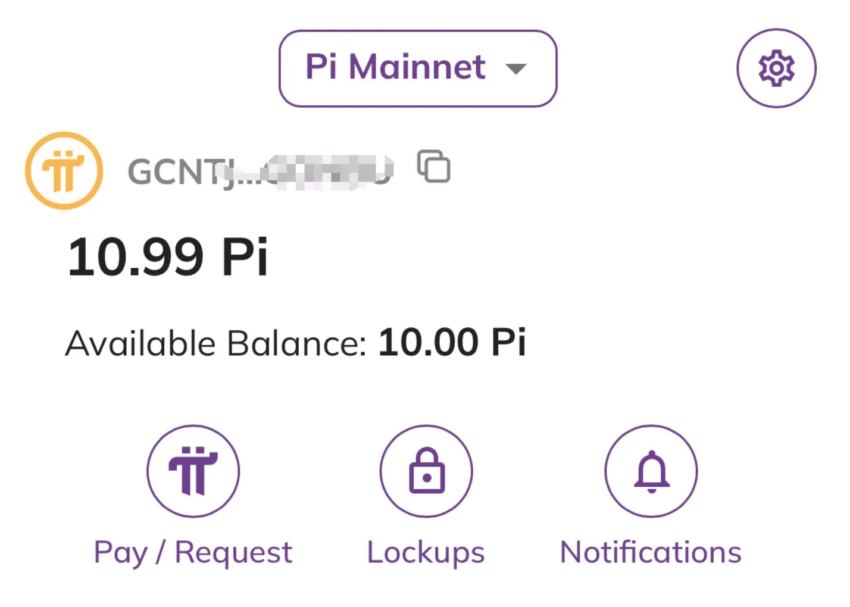
However, it’s crucial to acknowledge that Pi Network is still in its early stages. While the project has transitioned from its testnet phase, it is currently operating within a ‘walled garden’ mainnet. This means that while transactions are recorded on the blockchain, external connectivity is limited. The primary goal of this phase is to ensure a stable and secure environment for the Pi ecosystem to develop.
The Significance of Mainnet
The mainnet launch is a significant milestone for any cryptocurrency project. It signifies the transition from a testing environment to a live, operational blockchain. However, the ‘walled garden’ approach adopted by Pi Network means that the mainnet is not yet fully open to the public. This controlled environment allows the core team to monitor and address any potential issues before broader integration.
Challenges in Selling Pi Network Coins
Currently, selling Pi Network coins faces several significant obstacles. The most prominent challenge is the lack of listing on major cryptocurrency exchanges. Without exchange listings, there is no established market for buying and selling Pi coins. This limitation stems from the ‘walled garden’ nature of the mainnet and the need for further ecosystem development.
KYC Verification and its Impact
Know Your Customer (KYC) verification is a crucial process for ensuring the legitimacy of users within the Pi Network. KYC involves verifying the identity of individuals to prevent fraud and comply with regulatory requirements. While KYC is essential for building trust and security within the network, the ongoing KYC process has been a bottleneck for many users. Until a large portion of the user base completes KYC, widespread selling of Pi coins will remain restricted. The completion of KYC is a crucial step toward opening the network and allowing users to freely transact with their Pi holdings.
Ecosystem Development and Utility
The value of any cryptocurrency is directly tied to its utility and the strength of its ecosystem. Currently, the Pi Network ecosystem is still under development. While there are efforts to integrate Pi into various applications and services, the widespread adoption of Pi as a payment method is still limited. The development of a robust ecosystem, with diverse applications and real-world use cases, is essential for establishing the long-term value of Pi Network coins and enabling their sale on open markets. Without practical applications, the demand for Pi coins will remain low, hindering the ability to sell them at a desirable price.
Potential Strategies for the Future of Selling Pi
While direct selling of Pi coins is currently restricted, there are potential avenues to explore in the future. The success of these strategies depends on the continued development of the Pi Network and its ecosystem.
Waiting for Exchange Listings
The most straightforward approach is to wait for Pi Network to be listed on major cryptocurrency exchanges. Once listed, users will be able to buy and sell Pi coins freely on the open market. However, the timing of exchange listings is uncertain and depends on the Pi Network team’s progress in developing the ecosystem and meeting the requirements of these exchanges.
Participating in Pi Apps and Services
As the Pi Network ecosystem grows, more applications and services are likely to emerge that accept Pi as a form of payment. Participating in these activities could provide an opportunity to utilize your Pi coins and derive value from them. This could involve purchasing goods or services within the Pi Network ecosystem or exchanging Pi for other cryptocurrencies or fiat currencies through authorized channels.
P2P Transactions (When Available)
Once the ‘walled garden’ restrictions are lifted, peer-to-peer (P2P) transactions may become a viable option for selling Pi coins. P2P transactions involve direct exchanges between individuals, bypassing the need for a centralized exchange. However, it’s crucial to exercise caution when engaging in P2P transactions and to only deal with trusted parties to avoid scams and fraud. [See also: Best Practices for Cryptocurrency Trading]
Risks and Considerations
Investing in or holding any cryptocurrency, including Pi Network, involves inherent risks. It’s essential to be aware of these risks before making any decisions about buying, selling, or holding Pi coins.
Volatility
The cryptocurrency market is known for its volatility. The price of Pi Network coins, once listed on exchanges, could fluctuate significantly in a short period. This volatility can be influenced by various factors, including market sentiment, regulatory changes, and the overall performance of the cryptocurrency market. [See also: Understanding Cryptocurrency Volatility]
Security
Security is a paramount concern in the cryptocurrency space. It’s crucial to protect your Pi Network account and private keys from unauthorized access. Use strong passwords, enable two-factor authentication, and be wary of phishing scams and other malicious activities. [See also: Cryptocurrency Security Best Practices]
Regulatory Uncertainty
The regulatory landscape for cryptocurrencies is constantly evolving. Changes in regulations could impact the value and utility of Pi Network coins. It’s essential to stay informed about the latest regulatory developments in your jurisdiction and how they might affect your Pi holdings.
Conclusion: Is Selling Pi Network Possible?
While directly selling Pi Network coins is currently not possible due to the ‘walled garden’ mainnet and the lack of exchange listings, the future holds potential opportunities. The success of these opportunities hinges on the continued development of the Pi Network ecosystem, the completion of KYC verification for a significant portion of the user base, and the eventual listing of Pi on major cryptocurrency exchanges. In the meantime, it’s crucial to stay informed, exercise caution, and understand the risks involved in holding or trading any cryptocurrency. The question of how to sell Pi Network is therefore best answered with a patient and informed approach, awaiting the further development of the project and its ecosystem. Keep abreast of official announcements from the Pi Network core team for the most up-to-date information on the project’s progress and future plans. Ultimately, the ability to effectively sell Pi Network coins will depend on the project’s ability to deliver on its promises and establish a robust and thriving ecosystem.
Therefore, while actively seeking to sell Pi Network might be premature, understanding the factors influencing its future value and potential sale is crucial for early adopters. Remember, how to sell Pi Network effectively requires patience, vigilance, and a deep understanding of the project’s development roadmap. So, stay informed and be ready to act when the opportunity arises to sell Pi Network coins on the open market. The key to successfully navigating the Pi Network landscape lies in understanding the nuances of its development and being prepared to adapt to the evolving conditions. As we look towards the future, the potential to sell Pi Network remains a key motivator for many, driving engagement and fostering a vibrant community. The focus on how to sell Pi Network should therefore be coupled with an appreciation for the project’s innovative approach to cryptocurrency mining and its commitment to building a decentralized future.
