Duty Free: What Does It Mean and How Does It Work?
Traveling internationally often comes with the exciting prospect of shopping for goods at reduced prices. One term you’ll frequently encounter is “duty free.” But duty free what does it mean in practical terms, and how does it benefit travelers? This article delves into the intricacies of duty-free shopping, explaining its mechanics, benefits, and limitations, providing you with a comprehensive understanding before your next trip.
Understanding Duty and Taxes
To fully grasp the concept of duty-free, it’s essential to understand the underlying principles of duties and taxes levied on goods. Governments impose these charges for various reasons, including revenue generation, protecting domestic industries, and regulating the import and export of specific items.
- Duties (Tariffs): These are taxes imposed on goods when they cross international borders. The duty amount varies depending on the type of goods, their country of origin, and the importing country’s trade policies.
- Taxes (VAT, Sales Tax, Excise Tax): These are internal taxes applied to goods and services within a country. Value Added Tax (VAT) is a common consumption tax applied at each stage of the production and distribution process. Sales tax is levied on the final sale to the consumer. Excise taxes are often imposed on specific goods like alcohol, tobacco, and fuel.
What is Duty-Free?
Duty free essentially means that you are exempt from paying certain duties and taxes on goods purchased in specific locations. These locations are typically airports, seaports, and border shops that operate under specific regulations.
The core idea behind duty free shopping is to allow international travelers to purchase goods without incurring the domestic taxes and import duties of the country where the purchase is made. The assumption is that these goods will be consumed or used in another country, thereby avoiding double taxation. So, when someone asks, “duty free what does it mean?” the simplest answer is: no tax!
How Does Duty-Free Shopping Work?
The mechanics of duty free shopping involve a few key players and processes:
- Duty-Free Shops: These are retail outlets licensed to sell goods without charging duties and taxes. They are usually located in international airports, seaports, and border crossings.
- Customs Authorities: These government agencies oversee the operation of duty free shops, ensuring compliance with regulations and preventing abuse of the system.
- Travelers: Individuals traveling internationally are eligible to purchase goods at duty free shops. However, there are often restrictions on the quantity and type of goods that can be purchased.
When you make a purchase at a duty free shop, you’re essentially buying goods that haven’t yet been subject to the domestic taxes and duties of the country where the shop is located. You typically need to show your passport and boarding pass to prove that you are traveling internationally.
Benefits of Duty-Free Shopping
The primary benefit of duty free shopping is the potential for cost savings. By avoiding duties and taxes, you can often purchase goods at significantly lower prices than you would pay in regular retail stores. This is particularly true for items like alcohol, tobacco, perfumes, and luxury goods, which are often subject to high taxes.
Beyond price advantages, duty free shops often offer a wider selection of international brands and exclusive products that may not be readily available in your home country. This can be a significant draw for travelers looking for unique or hard-to-find items. The question of “duty free what does it mean for my wallet?” has a positive answer for many shoppers.
Limitations and Restrictions
While duty free shopping can be attractive, it’s important to be aware of the limitations and restrictions involved:
- Allowance Limits: Most countries have limits on the quantity and value of goods that you can bring into the country without paying duties and taxes. These limits vary depending on the country and your residency status. Exceeding these allowances can result in having to pay duties and taxes on the excess goods.
- Destination Country Regulations: It’s crucial to be aware of the regulations of your destination country regarding the import of certain goods. Some countries may have restrictions on items like alcohol, tobacco, firearms, and agricultural products.
- Liquid Restrictions: International flights often have restrictions on the amount of liquids you can carry in your hand luggage. Duty free liquids purchased at the airport are usually exempt from these restrictions, provided they are sealed in a security tamper-evident bag (STEB) with proof of purchase.
- Price Comparisons: Not all duty free items are necessarily cheaper than those available elsewhere. It’s always a good idea to compare prices with regular retail stores, online retailers, or even duty free shops in other airports to ensure you’re getting the best deal.
What Products Are Commonly Sold Duty-Free?
Several categories of products are frequently found in duty free shops. Understanding what’s typically available can help you plan your shopping strategy.
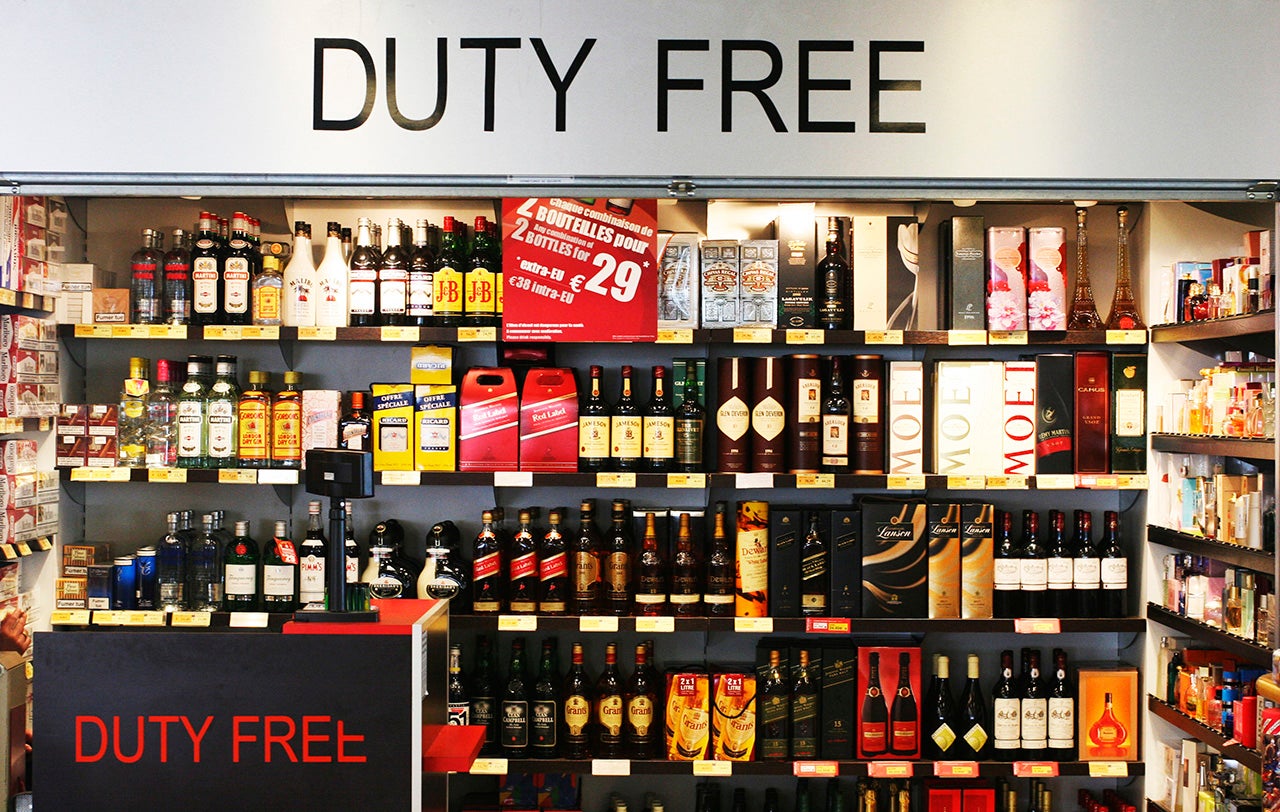
- Alcohol: Spirits, wines, and beers are staples of duty free shopping. The savings on alcohol can be substantial, especially for premium brands.
- Tobacco: Cigarettes, cigars, and other tobacco products are also commonly sold duty free. However, be mindful of import restrictions in your destination country.
- Perfumes and Cosmetics: Fragrances, makeup, and skincare products are popular choices for duty free shoppers.
- Luxury Goods: Watches, jewelry, designer handbags, and other luxury items are often available at duty free shops, offering potential savings compared to retail prices.
- Confectionery: Chocolates, candies, and other sweets are often found in duty free shops, making them convenient gifts or souvenirs.
- Electronics: Some duty free shops also sell electronics like cameras, headphones, and smartphones, but it’s essential to compare prices carefully.
Duty-Free Allowances: What You Need to Know
Navigating duty free allowances can be tricky, as the rules vary from country to country. Here’s a general overview:
- Understanding Your Destination’s Rules: Before you even start shopping, research the specific duty free allowances for your destination country. Government websites and customs information pages are reliable sources.
- Alcohol and Tobacco Limits: Pay close attention to the limits on alcohol and tobacco. These are often strictly enforced. For example, many countries have limits on the number of liters of alcohol or cartons of cigarettes you can bring in.
- Value Limits: Many countries also have a total value limit for all duty free goods. If the total value of your purchases exceeds this limit, you may have to pay duties and taxes on the entire amount.
- Declaring Your Purchases: When you arrive at your destination, be prepared to declare your duty free purchases to customs officials. Honesty is crucial to avoid penalties.
Tips for Smart Duty-Free Shopping
To maximize your duty free shopping experience, consider these tips:
- Plan Ahead: Research prices and products before you travel to identify potential bargains.
- Compare Prices: Don’t assume that duty free is always cheaper. Compare prices with other retailers to ensure you’re getting a good deal.
- Check Allowances: Be aware of the duty free allowances for your destination country to avoid exceeding the limits.
- Keep Receipts: Keep your receipts as proof of purchase in case you need to declare your goods to customs officials.
- Be Mindful of Restrictions: Be aware of any restrictions on the type of goods you can bring into your destination country.
- Consider Exchange Rates: Factor in exchange rates when comparing prices, especially if you’re paying in a different currency.
The Future of Duty-Free Shopping
The duty free industry continues to evolve, with retailers exploring new ways to enhance the shopping experience. Online duty free shopping is becoming increasingly popular, allowing travelers to pre-order goods and collect them at the airport. Additionally, duty free shops are incorporating more technology, such as interactive displays and personalized recommendations, to cater to the changing needs of travelers.
The question of “duty free what does it mean for the future of travel retail?” has many answers, but the core concept of tax-free shopping for international travelers is likely to remain a key component of the travel experience. [See also: International Travel Tips] and [See also: Airport Security Guidelines]
Conclusion
Duty free shopping offers international travelers the opportunity to purchase goods without paying duties and taxes, potentially leading to significant cost savings. However, it’s crucial to be aware of the limitations, restrictions, and allowances involved to avoid any surprises. By understanding how duty free shopping works and following the tips outlined in this article, you can make informed decisions and maximize your savings on your next trip. Next time someone asks, “duty free what does it mean?” you’ll be ready with a comprehensive answer.
