Why Does China Make Everything? Unpacking Global Manufacturing Dominance
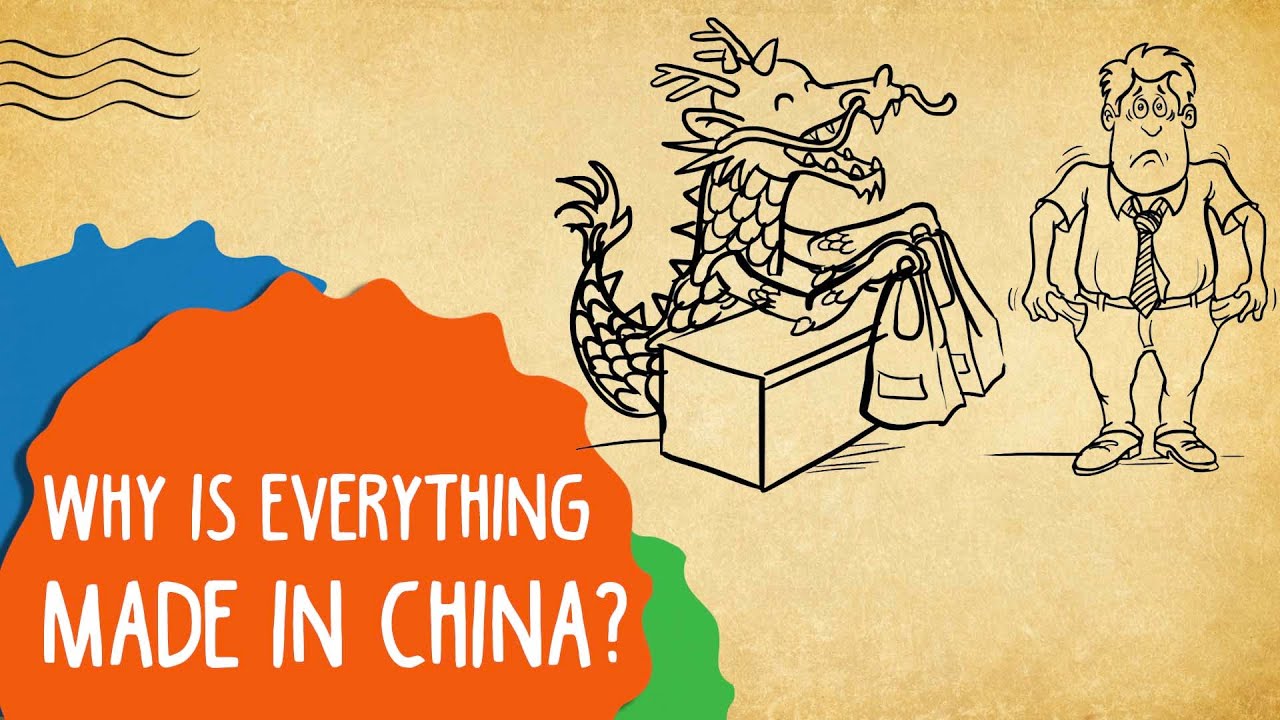
The question, “Why does China make everything?” echoes in households and boardrooms globally. From the smartphones in our pockets to the toys our children play with, a significant portion of consumer goods originates from China. This article delves into the multifaceted reasons behind China’s dominance in global manufacturing, exploring its historical context, economic policies, infrastructure development, and the evolving dynamics of the global supply chain.
A Historical Perspective: From Agrarian Society to Manufacturing Powerhouse
China’s journey to becoming the world’s factory began with Deng Xiaoping’s economic reforms in the late 1970s. These reforms shifted the nation from a centrally planned economy to a socialist market economy, opening it to foreign investment and international trade. This pivotal shift unlocked China’s vast potential, transforming it from an agrarian society into a manufacturing powerhouse. The “Open Door Policy” encouraged foreign companies to establish factories in China, bringing with them technology, expertise, and access to global markets. This influx of foreign direct investment (FDI) played a crucial role in accelerating China’s industrial development. The country strategically positioned itself to leverage its abundant labor force and access to raw materials.
The Power of Scale: Labor, Infrastructure, and Low Costs
Several key factors contribute to China’s manufacturing prowess. First and foremost is its massive labor force. For decades, China possessed a seemingly endless supply of low-cost labor, making it highly attractive to manufacturers seeking to reduce production costs. While labor costs have risen in recent years, China still maintains a significant advantage over many developed countries. Secondly, China has invested heavily in infrastructure development. The country boasts an extensive network of ports, railways, and highways, facilitating the efficient movement of goods both domestically and internationally. This robust infrastructure reduces transportation costs and lead times, making China an attractive location for manufacturing operations. The government also implemented policies to support manufacturing, including tax incentives, subsidies, and streamlined regulatory processes. These measures further enhanced China’s competitiveness in the global market. The concentration of industries in specific regions, like Shenzhen for electronics, creates powerful ecosystems. These ecosystems provide access to specialized suppliers, skilled labor, and collaborative networks, further enhancing efficiency and innovation. This is a crucial aspect of answering the question: Why does China make everything?
The Global Supply Chain: China’s Central Role
China’s dominance in manufacturing is inextricably linked to the global supply chain. Many multinational corporations (MNCs) have established production facilities in China to take advantage of lower costs and proximity to suppliers. This has created a complex web of interconnected businesses, with China serving as a central hub for the manufacturing and assembly of goods destined for markets around the world. The rise of e-commerce has further amplified China’s role in the global supply chain. Online retailers rely heavily on Chinese manufacturers to supply a wide range of products at competitive prices. This has fueled the growth of cross-border e-commerce, with Chinese companies increasingly selling directly to consumers in other countries. The ability to quickly scale production to meet demand is a key advantage. The massive manufacturing capacity allows Chinese factories to respond rapidly to changing market conditions and evolving consumer preferences. This responsiveness is crucial in today’s fast-paced global economy. [See also: The Future of Global Supply Chains].
Beyond Low Costs: Innovation and Technological Advancement
While low costs were initially a major driver of China’s manufacturing growth, the country is increasingly focusing on innovation and technological advancement. The government has invested heavily in research and development (R&D), encouraging companies to develop new products and technologies. This has led to the emergence of innovative Chinese companies in sectors such as electronics, telecommunications, and renewable energy. The “Made in China 2025” initiative aims to transform China into a global leader in advanced manufacturing. This ambitious plan focuses on developing key technologies, upgrading industrial infrastructure, and promoting innovation across various sectors. These efforts are helping China move beyond its reputation as a low-cost manufacturer and establish itself as a producer of high-quality, technologically advanced goods. This shift is vital to understanding why does China make everything and how that might evolve.
Challenges and Criticisms: Environmental Concerns and Trade Tensions
China’s manufacturing dominance has not been without its challenges and criticisms. Environmental concerns are a major issue, as rapid industrialization has led to air and water pollution. The government has implemented stricter environmental regulations in recent years, but significant challenges remain. Trade tensions with other countries, particularly the United States, have also emerged. Concerns over trade imbalances, intellectual property theft, and unfair trade practices have led to tariffs and trade disputes. These tensions could potentially disrupt global supply chains and impact China’s manufacturing sector. The increasing labor costs are also a factor. As China’s economy has grown, wages have risen, making it less competitive in some low-skilled manufacturing sectors. This has led some companies to relocate production to other countries with lower labor costs, such as Vietnam and India. Addressing these challenges is crucial for China to maintain its manufacturing dominance in the long term. [See also: The Impact of Tariffs on Global Trade].
The Future of Manufacturing: A Shifting Landscape
The future of manufacturing is likely to be characterized by increased automation, digitalization, and customization. These trends could potentially reshape the global manufacturing landscape and impact China’s dominance. Automation and robotics are becoming increasingly important in manufacturing, allowing companies to reduce labor costs and improve efficiency. China is investing heavily in these technologies, but other countries are also making significant progress. Digitalization, including the use of data analytics and the Internet of Things (IoT), is also transforming manufacturing. These technologies enable companies to optimize production processes, improve quality control, and enhance supply chain management. Customization is becoming increasingly important, as consumers demand products that are tailored to their specific needs and preferences. This trend could favor smaller, more agile manufacturers that are able to respond quickly to changing customer demands. The question of why does China make everything might become, “How can countries compete with China’s manufacturing prowess?”
Conclusion: Understanding China’s Manufacturing Ecosystem
Why does China make everything? The answer is complex and multifaceted. It is a result of historical factors, economic policies, infrastructure development, and China’s central role in the global supply chain. While China faces challenges such as environmental concerns and trade tensions, it remains a dominant force in global manufacturing. Understanding the dynamics of China’s manufacturing ecosystem is crucial for businesses and policymakers alike. China’s continued investment in technology and innovation suggests that its role in global manufacturing will continue to evolve. The future of manufacturing will depend on how countries and companies adapt to these evolving dynamics. The dominance of Chinese manufacturing is a testament to strategic planning, massive investment, and an understanding of the global market. It’s a story of transformation, from an agrarian society to the world’s factory, and a story that continues to unfold.
In summary, why does China make everything is a question answered by understanding its unique blend of historical advantages, proactive government policies, massive infrastructure investments, and a relentless focus on integrating into and dominating the global supply chain. This combination has cemented China’s position as a manufacturing giant, a position that, while facing challenges, is likely to remain significant for the foreseeable future. As technology evolves and global dynamics shift, China’s ability to adapt and innovate will determine the extent of its continued manufacturing dominance.
