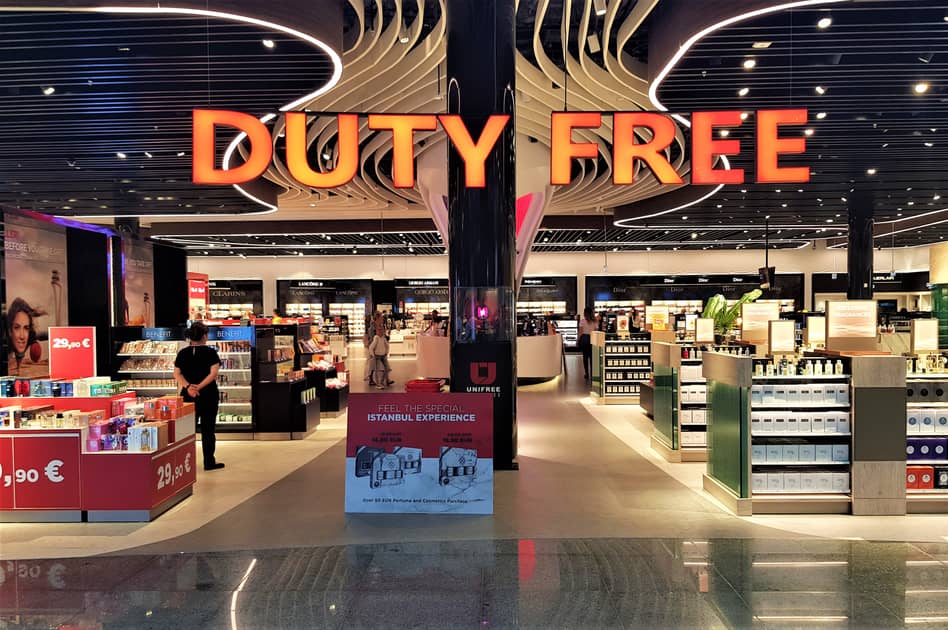
How Does a Duty-Free Store Work? A Comprehensive Guide
Ever wondered how those shops in airports and on ferries can sell goods without charging duty or taxes? The concept of duty-free shopping seems almost magical, offering travelers the chance to snag luxury items, alcohol, and tobacco at seemingly unbeatable prices. But how does a duty-free store work, really? This comprehensive guide will demystify the process, explaining the mechanics, benefits, and regulations surrounding these enticing retail havens.
Understanding the Basics of Duty-Free
At its core, a duty-free store operates under a special agreement with the host country’s government. These stores are exempt from levying certain taxes and duties on the goods they sell, provided those goods are exported for use or consumption outside the country. This exemption is the key to the lower prices you see. Think of it as buying goods that haven’t officially ‘entered’ the country’s economy for tax purposes.
Essentially, duty-free stores act as a temporary holding zone for goods destined for international consumption. This system encourages international travel and commerce by making it more attractive for travelers to purchase goods that would otherwise be subject to significant taxes.
The Tax and Duty Exemption Explained
The taxes and duties that duty-free stores typically avoid include import duties, excise taxes, and value-added tax (VAT) or sales tax. These taxes can significantly inflate the price of goods, especially alcohol and tobacco. By removing these charges, duty-free stores can offer substantial savings to travelers. However, it’s crucial to remember that you might still be liable for duties and taxes in your destination country, depending on their regulations and your personal allowances.
The Mechanics of a Duty-Free Store
Duty-free stores aren’t just magically exempt; a complex system ensures compliance and prevents abuse of the tax exemption. Here’s a breakdown of the key elements:
- Bonded Warehouses: Duty-free stores typically operate in conjunction with bonded warehouses. These are secure facilities where goods are stored before being sold. The goods remain under customs control until they are purchased by a departing traveler.
- Customs Supervision: Customs officials closely monitor duty-free stores to ensure that only eligible travelers purchase goods and that the goods are indeed exported. This often involves checking boarding passes and passport details.
- Purchase Limits: To prevent abuse, most countries impose limits on the quantity of goods that can be purchased duty-free. These limits vary depending on the country and the type of goods.
- Destination Restrictions: Some duty-free stores may impose restrictions on the destination of the goods. For example, goods purchased at a duty-free store in the EU may only be intended for destinations outside the EU.
Who Can Shop at a Duty-Free Store?
Generally, anyone traveling internationally can shop at a duty-free store. However, eligibility often depends on the specific location and regulations. Usually, you will need to present a valid boarding pass or travel document to prove that you are departing to an international destination. In some cases, you might be able to shop at duty-free stores upon arrival, particularly for goods like alcohol and tobacco. However, this is less common.
It’s important to note that rules can vary. For example, travelers within the European Union might not be eligible for duty-free purchases when travelling between EU countries, as these are considered domestic journeys for tax purposes. Always check the specific regulations of the airport or ferry terminal you are using.
What Products Are Typically Available?
Duty-free stores typically offer a range of products, including:
- Alcohol: Spirits, wines, and beers are popular choices due to the high taxes often levied on these items.
- Tobacco: Cigarettes, cigars, and other tobacco products are also frequently offered at discounted prices.
- Perfumes and Cosmetics: Luxury fragrances, skincare products, and makeup are common staples.
- Fashion Accessories: Sunglasses, handbags, and jewelry can be found in some duty-free stores.
- Confectionery: Chocolates, candies, and other sweets are often available.
- Electronics: Some duty-free stores also sell electronics such as headphones, cameras, and mobile phones.
- Local Souvenirs: To cater to tourists, many duty-free stores also offer local crafts, souvenirs, and regional specialties.
Are Duty-Free Prices Always Cheaper?
While duty-free stores generally offer lower prices than regular retail outlets, it’s not always a guarantee. Factors such as currency exchange rates, local market prices, and the store’s markup can influence the final price. It’s always a good idea to compare prices before making a purchase. Use your smartphone to quickly check online prices or compare with prices at your destination. Consider the potential savings compared to the convenience of buying at the airport.
Also, be aware of promotional offers and discounts. Sometimes, regular retail stores have sales or special offers that can match or even beat duty-free prices. Don’t assume that duty-free is automatically the cheapest option.
The Future of Duty-Free Shopping
The duty-free industry is constantly evolving. With the rise of e-commerce and changing travel patterns, duty-free stores are adapting to meet the needs of modern travelers. Some trends include:
- Online Pre-Ordering: Many duty-free stores now allow customers to pre-order goods online and collect them at the airport. This offers convenience and ensures that the desired items are available.
- Personalized Shopping Experiences: Some stores are using data analytics to provide personalized recommendations and offers to customers.
- Sustainable Products: There’s a growing demand for sustainable and ethically sourced products. Duty-free stores are responding by offering a wider range of eco-friendly options.
- Digital Integration: Expect to see more digital integration in duty-free stores, such as interactive displays, mobile payment options, and virtual reality experiences.
Tips for Smart Duty-Free Shopping
To make the most of your duty-free shopping experience, consider these tips:
- Do Your Research: Before you travel, research the prices of the items you want to buy in your home country and at your destination. This will help you determine if the duty-free price is actually a good deal.
- Check Your Allowances: Be aware of the duty-free allowances for your destination country. Exceeding these allowances can result in hefty fines and taxes.
- Compare Prices: Don’t assume that duty-free is always the cheapest option. Compare prices with online retailers and other stores.
- Consider Currency Exchange Rates: Be mindful of currency exchange rates, as they can affect the final price.
- Factor in Convenience: Consider the convenience of buying at the airport versus the hassle of carrying goods on your journey.
- Read the Fine Print: Pay attention to any restrictions or limitations on the goods you purchase.
Conclusion: The Allure of Duty-Free
How does a duty-free store work? It’s a complex system of tax exemptions, customs controls, and international agreements designed to encourage travel and commerce. While not always the cheapest option, duty-free stores offer a convenient way to purchase goods without paying certain taxes and duties. By understanding the mechanics and regulations, you can make informed decisions and potentially save money on your next trip. Remember to compare prices, check your allowances, and enjoy the experience of browsing these unique retail environments. [See also: International Travel Tips]
Ultimately, the allure of duty-free shopping lies in the promise of savings and the excitement of finding unique or luxury items. By being a savvy shopper, you can make the most of this opportunity and enhance your travel experience.
