Bearer Bonds Meaning: A Comprehensive Guide for Investors
Understanding the nuances of financial instruments is crucial for any investor, whether seasoned or just starting. Among the more intriguing, and historically significant, types of investments are bearer bonds. These bonds, unlike most modern securities, are not registered in the name of an owner, making their possession the sole evidence of ownership. This article delves into the bearer bonds meaning, their history, risks, and why they are now largely obsolete in many jurisdictions.
What are Bearer Bonds?
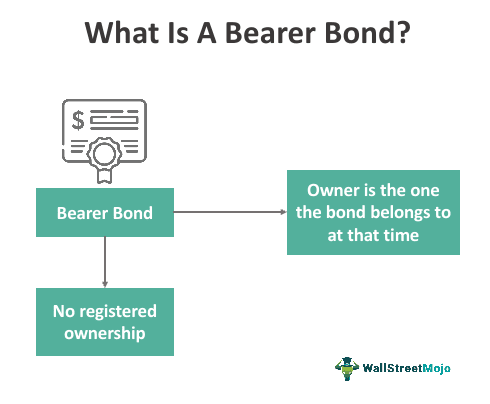
Bearer bonds are debt securities that are unregistered – no records are kept of the owner. The physical bond certificate itself represents ownership, and whoever holds the certificate is presumed to be the owner. Interest payments are made to the bearer upon presentation of attached coupons, and the principal is repaid when the bond matures, again to whoever holds the bond. This anonymity was once a key feature, making them attractive to investors seeking privacy.
Historical Context of Bearer Bonds
Bearer bonds were widely used throughout the 19th and 20th centuries, facilitating international finance and trade. Their anonymity made them popular with both legitimate investors and those seeking to evade taxes or hide assets. Governments and corporations alike issued bearer bonds to raise capital, and they were a common sight in financial markets worldwide. The ease of transfer and lack of registration simplified transactions, particularly in cross-border deals.
How Bearer Bonds Work
The mechanics of bearer bonds are relatively straightforward. The issuer prints physical bond certificates, each with detachable coupons representing interest payments. The bondholder clips these coupons and presents them to a paying agent (usually a bank) to receive the interest due. When the bond matures, the holder presents the bond certificate itself to receive the principal. The entire process is designed to be anonymous, with no need to provide identification or register the transfer of ownership.
Advantages and Disadvantages of Bearer Bonds
While the anonymity of bearer bonds once made them attractive, this feature also presents significant drawbacks in the modern financial landscape.
Advantages (Historically)
- Anonymity: The primary advantage was the privacy afforded to the bondholder. This appealed to individuals who wished to keep their financial affairs confidential.
- Ease of Transfer: Bearer bonds could be transferred simply by handing them over to another party, without the need for registration or paperwork.
- Circumventing Regulations: In some cases, bearer bonds were used to bypass currency controls or tax regulations, although this was often illegal.
Disadvantages
- Risk of Loss or Theft: Because ownership is determined by possession, losing a bearer bond is akin to losing cash. There is no way to recover the bond or prevent someone else from claiming it.
- Facilitation of Illicit Activities: The anonymity of bearer bonds made them attractive to criminals seeking to launder money or evade taxes.
- Regulatory Scrutiny: Due to their potential for misuse, bearer bonds have come under increasing regulatory scrutiny, leading to restrictions and bans in many countries.
- Lack of Protection: Unlike registered bonds, there is no record of ownership, making it difficult to prove ownership in case of disputes or fraud.
The Decline of Bearer Bonds
In recent decades, bearer bonds have largely fallen out of favor due to international efforts to combat tax evasion and money laundering. Many countries have banned their issuance or imposed strict regulations on their use. The rise of electronic record-keeping and the increasing transparency of financial markets have further contributed to their decline.
Regulatory Crackdown
International organizations such as the Financial Action Task Force (FATF) have actively discouraged the use of bearer bonds, recommending that countries prohibit or restrict their issuance. Many jurisdictions have responded by banning new bearer bonds and imposing reporting requirements on existing ones. These measures aim to reduce the anonymity associated with bearer bonds and make it more difficult to use them for illicit purposes.
Tax Evasion and Money Laundering Concerns
The anonymity of bearer bonds made them a favored tool for tax evaders and money launderers. By holding assets in bearer bonds, individuals could conceal their wealth from tax authorities and avoid detection by law enforcement. The lack of a paper trail made it difficult to trace the origin or ownership of funds held in bearer bonds. This led to increased scrutiny and regulatory action to curb their use.
Bearer Bonds vs. Registered Bonds
The primary difference between bearer bonds and registered bonds lies in how ownership is recorded. In registered bonds, the issuer maintains a record of the bondholder’s name and address. Interest payments and principal repayments are made directly to the registered owner. This provides a level of security and accountability that is absent in bearer bonds. Registered bonds are the standard in modern financial markets, offering greater transparency and protection for investors.
Key Differences
- Ownership: Bearer bonds are owned by whoever possesses the physical certificate, while registered bonds are owned by the person or entity whose name is recorded with the issuer.
- Transfer: Bearer bonds are transferred by physical delivery, while registered bonds require a change of ownership record with the issuer.
- Security: Registered bonds offer greater security because ownership can be verified and disputed in case of loss or theft.
- Regulation: Registered bonds are subject to stricter regulatory oversight, making them less susceptible to misuse for illicit purposes.
Are Bearer Bonds Still Legal?
The legality of bearer bonds varies depending on the jurisdiction. In many countries, the issuance of new bearer bonds is prohibited, but existing bearer bonds may still be valid. However, these bonds are often subject to strict reporting requirements and may be difficult to trade or redeem. Investors should carefully research the laws and regulations in their jurisdiction before dealing with bearer bonds.
Current Status in Major Economies
In the United States, the issuance of bearer bonds was effectively banned in 1982 through the Tax Equity and Fiscal Responsibility Act (TEFRA). Similar bans or restrictions exist in many European countries and other major economies. While some older bearer bonds may still exist, they are rarely traded and are subject to intense scrutiny. The focus has shifted towards registered securities to promote transparency and combat financial crime.
Risks Associated with Holding Bearer Bonds Today
Even if you happen to come across or inherit bearer bonds, holding them today carries significant risks. The lack of liquidity, regulatory scrutiny, and potential for loss or theft make them an unattractive investment option.
Liquidity Issues
Finding a buyer for bearer bonds can be challenging, as many financial institutions are reluctant to handle them due to regulatory concerns. This lack of liquidity can make it difficult to convert bearer bonds into cash when needed.
Regulatory Compliance
Holding bearer bonds may subject you to increased scrutiny from tax authorities and law enforcement agencies. You may be required to provide documentation to prove the legitimacy of your ownership and comply with reporting requirements.
Loss and Theft
The risk of losing or having your bearer bonds stolen remains a significant concern. Without a record of ownership, there is little recourse if the bonds are lost or stolen. [See also: Lost Investment Recovery]
The Future of Anonymity in Finance
The decline of bearer bonds reflects a broader trend towards greater transparency and accountability in the financial system. As governments and international organizations crack down on tax evasion and money laundering, the demand for anonymous financial instruments has diminished. While some individuals may still value privacy, the risks and regulatory burdens associated with anonymous investments are becoming increasingly prohibitive.
The Rise of Digital Currencies
The emergence of digital currencies like Bitcoin has raised new questions about anonymity in finance. While some cryptocurrencies offer a degree of privacy, they are also subject to increasing regulatory scrutiny. Governments are exploring ways to regulate digital currencies to prevent their use for illicit activities. [See also: Cryptocurrency Regulation Guide]
Conclusion: Understanding the Bearer Bonds Meaning in Today’s World
Bearer bonds, once a common feature of the financial landscape, have largely become relics of the past. Their anonymity, while once an advantage, has made them vulnerable to misuse and subject to intense regulatory scrutiny. While the bearer bonds meaning remains important for understanding financial history, they are no longer a viable investment option for most individuals. The modern financial system prioritizes transparency and accountability, making registered securities the standard for investors seeking safety and security.
