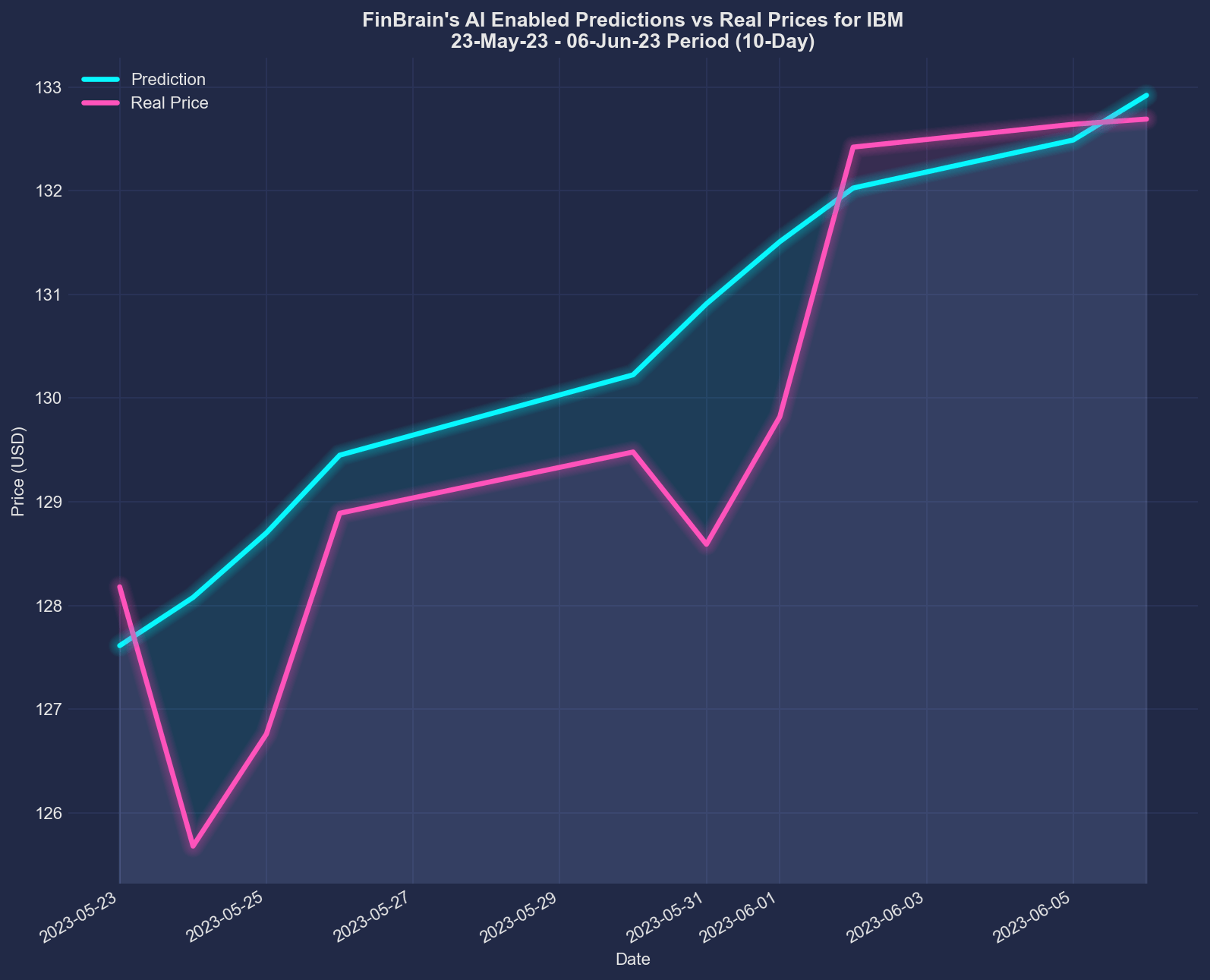
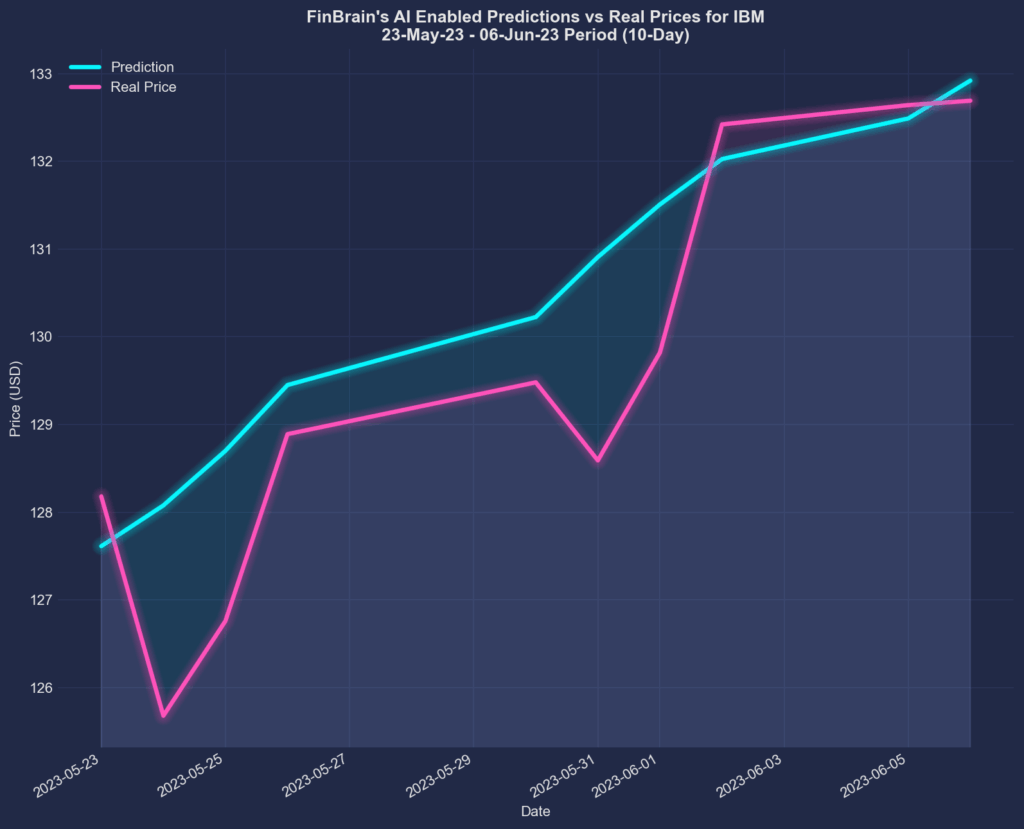
Navigating the Waters: Understanding Stock Forecasts and Their Implications
In the dynamic world of finance, investors are constantly seeking an edge, attempting to predict the future performance of stocks. This pursuit leads them to stock forecasts, tools and analyses designed to provide insights into potential future stock prices. But what exactly are stock forecasts, how are they created, and what should investors consider when using them? This article delves into the intricacies of stock forecasts, exploring their methodologies, limitations, and their role in informed investment decisions.
What is a Stock Forecast?
A stock forecast is an estimate of the future price of a company’s stock. These forecasts can range from short-term predictions (days or weeks) to long-term projections (months or years). They are generated using a variety of methods, including:
- Technical Analysis: Examining historical price and volume data to identify patterns and trends.
- Fundamental Analysis: Evaluating a company’s financial statements, industry outlook, and competitive landscape.
- Quantitative Analysis: Using mathematical models and algorithms to predict stock prices.
- Sentiment Analysis: Gauging investor sentiment through news articles, social media, and other sources.
The goal of a stock forecast is to provide investors with a basis for making informed decisions about buying, selling, or holding a particular stock. However, it’s crucial to understand that no stock forecast is guaranteed to be accurate, and past performance is not indicative of future results.
Methods Used in Stock Forecasting
Technical Analysis
Technical analysts believe that all relevant information about a stock is reflected in its price and volume data. They use charts and indicators to identify patterns that may suggest future price movements. Common technical indicators include:
- Moving Averages: Smoothing price data to identify trends.
- Relative Strength Index (RSI): Measuring the magnitude of recent price changes to evaluate overbought or oversold conditions.
- Moving Average Convergence Divergence (MACD): Identifying changes in the strength, direction, momentum, and duration of a trend in a stock’s price.
- Fibonacci Retracements: Identifying potential support and resistance levels based on Fibonacci ratios.
Technical analysis is often used for short-term stock forecasts, as it focuses on identifying immediate price trends rather than long-term company fundamentals.
Fundamental Analysis
Fundamental analysis involves evaluating a company’s intrinsic value by analyzing its financial statements, industry outlook, and competitive position. Fundamental analysts look at factors such as:
- Revenue and Earnings Growth: Assessing the company’s ability to generate revenue and profits.
- Profit Margins: Evaluating the company’s efficiency in converting revenue into profit.
- Debt Levels: Assessing the company’s financial leverage and risk.
- Industry Trends: Understanding the overall outlook for the company’s industry.
- Competitive Landscape: Analyzing the company’s position relative to its competitors.
Fundamental analysis is typically used for long-term stock forecasts, as it focuses on the underlying value of the company rather than short-term price fluctuations.
Quantitative Analysis
Quantitative analysis uses mathematical models and algorithms to predict stock forecasts. These models often incorporate a wide range of data, including historical prices, financial data, and economic indicators. Quantitative analysts may use techniques such as:
- Regression Analysis: Identifying relationships between variables to predict stock prices.
- Time Series Analysis: Analyzing data points indexed in time order.
- Machine Learning: Training algorithms to identify patterns and predict future prices.
Quantitative analysis can be used for both short-term and long-term stock forecasts, depending on the specific model and data used.
Sentiment Analysis
Sentiment analysis involves gauging investor sentiment by analyzing news articles, social media posts, and other sources of information. The goal is to identify trends in investor attitudes that may influence stock prices. Sentiment analysis tools often use natural language processing (NLP) to analyze text and identify positive, negative, or neutral sentiment. This can give you an idea of the overall market feeling towards a certain stock. This can be useful when making a stock forecast.
Limitations of Stock Forecasts
While stock forecasts can be valuable tools for investors, it’s important to be aware of their limitations:
- Inherent Uncertainty: The stock market is inherently unpredictable, and no stock forecast can guarantee future results.
- Data Limitations: Stock forecasts are based on historical data, which may not be representative of future conditions.
- Model Assumptions: All forecasting models rely on assumptions, which may not always hold true.
- External Factors: Unexpected events, such as economic recessions, political instability, or natural disasters, can significantly impact stock prices and invalidate forecasts.
Therefore, investors should use stock forecasts as just one input in their investment decision-making process, and they should always conduct their own research and due diligence.
How to Use Stock Forecasts Effectively
To use stock forecasts effectively, consider the following guidelines:
- Understand the Methodology: Be aware of the methods used to generate the forecast and their limitations.
- Consider Multiple Forecasts: Don’t rely on a single forecast. Look at a range of forecasts from different sources to get a more comprehensive view.
- Focus on the Long Term: Long-term stock forecasts tend to be more reliable than short-term forecasts, as they are less susceptible to short-term market fluctuations.
- Use Forecasts as a Starting Point: Don’t blindly follow stock forecasts. Use them as a starting point for your own research and analysis.
- Stay Informed: Keep up-to-date on the latest news and developments that may impact the stock market and individual companies.
The Role of Stock Forecasts in Investment Decisions
Stock forecasts can play a valuable role in investment decisions by providing investors with insights into potential future stock prices. However, it’s crucial to use them responsibly and in conjunction with other sources of information. Investors should also consider their own risk tolerance, investment goals, and time horizon when making investment decisions.
For example, a risk-averse investor may use stock forecasts to identify stocks with stable growth potential, while a more aggressive investor may use them to identify stocks with high growth potential, even if they come with higher risk.
Ultimately, the best investment decisions are those that are based on a thorough understanding of the stock market, individual companies, and one’s own financial situation. [See also: Understanding Investment Risks] and [See also: Diversifying Your Portfolio]
Examples of Stock Forecast Providers
Several firms and websites provide stock forecasts, each with its own methodologies and track record. Some popular providers include:
- Wall Street Analysts: Major brokerage firms employ analysts who provide stock forecasts and ratings on individual companies.
- Financial News Websites: Websites like Yahoo Finance, Bloomberg, and MarketWatch provide stock forecasts and analysis from various sources.
- Subscription Services: Several subscription services offer proprietary stock forecasts and investment recommendations.
It’s important to research the track record and methodologies of any stock forecast provider before relying on their recommendations. Look for providers with a proven ability to generate accurate forecasts and transparent methodologies.
Conclusion
Stock forecasts can be valuable tools for investors, but they are not foolproof. By understanding the methodologies behind stock forecasts, their limitations, and how to use them effectively, investors can make more informed decisions and increase their chances of success in the stock market. Remember to always conduct your own research, stay informed, and consider your own risk tolerance and investment goals. The world of stock forecasts is complex, but with careful consideration, it can be a powerful asset in your investment strategy. The key is to view them as one piece of the puzzle, not the entire picture. By combining stock forecasts with your own due diligence and a solid understanding of the market, you can navigate the waters of investing with greater confidence.
