
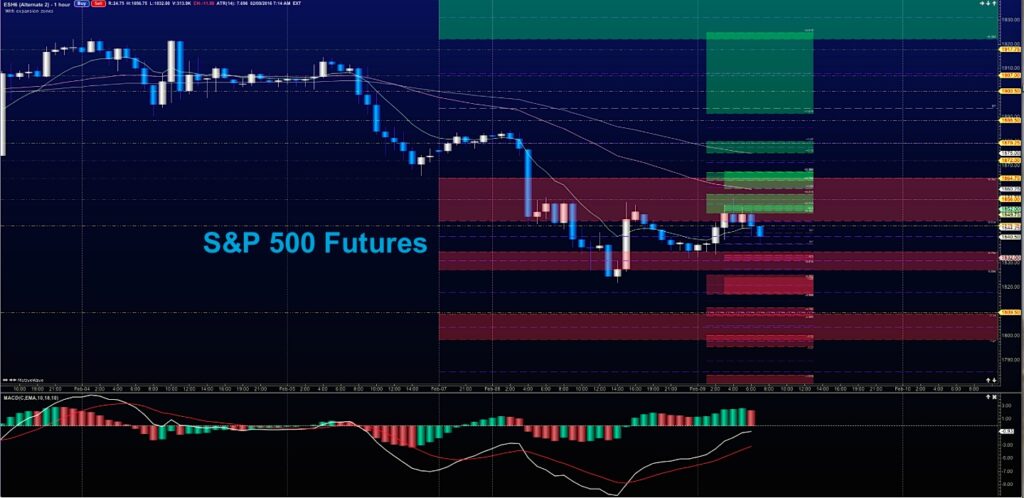
US Stocks Futures Market Forecast Analysis: Navigating Uncertainty in 2024
The US stocks futures market forecast analysis is a crucial tool for investors seeking to anticipate market movements and make informed decisions. As we move into 2024, understanding the factors influencing these futures becomes even more critical amidst global economic uncertainties, geopolitical tensions, and evolving monetary policies. This article provides a comprehensive US stocks futures market forecast analysis, examining key indicators and potential scenarios that could shape the market’s trajectory.
Understanding US Stocks Futures
Before diving into the forecast, it’s essential to understand what US stock futures are. They are contracts that obligate the buyer to purchase an underlying stock index (like the S&P 500, Nasdaq 100, or Dow Jones Industrial Average) at a predetermined future date and price. Futures trading allows investors to speculate on the direction of the market and hedge against potential losses in their existing portfolios. The price of these futures contracts reflects the market’s expectation of the underlying index’s value at the expiration date.
Key Factors Influencing Futures Prices
Several factors influence the prices of US stocks futures. These include:
- Economic Data: Gross Domestic Product (GDP) growth, inflation rates (Consumer Price Index – CPI, Producer Price Index – PPI), unemployment figures, and retail sales data.
- Federal Reserve Policy: Interest rate decisions, quantitative easing (QE) programs, and forward guidance.
- Corporate Earnings: The performance of major US companies and their earnings reports, which provide insights into the overall health of the economy.
- Geopolitical Events: Global political instability, trade wars, and international conflicts.
- Investor Sentiment: Market psychology, risk appetite, and overall confidence in the economy.
Economic Outlook and Its Impact on US Stocks Futures
The current economic outlook presents a mixed bag of signals. While the US economy has shown resilience, concerns about a potential recession linger. Inflation remains a key focus, and the Federal Reserve’s actions to combat it will significantly impact the US stocks futures market.
Inflation and Interest Rates
High inflation erodes purchasing power and forces the Federal Reserve to raise interest rates. Higher interest rates can dampen economic growth by increasing borrowing costs for businesses and consumers. This, in turn, can negatively impact corporate earnings and lead to a decline in stock prices, affecting US stocks futures.
GDP Growth and Employment
Strong GDP growth and low unemployment are generally positive indicators for the stock market. However, if growth is fueled by unsustainable factors or leads to higher inflation, it could trigger a more aggressive response from the Federal Reserve, creating uncertainty in the US stocks futures market. Monitoring employment data closely is crucial, as a significant increase in unemployment claims could signal an economic slowdown.
Corporate Earnings and Market Valuation
Corporate earnings are a fundamental driver of stock prices. Strong earnings growth typically supports higher stock valuations, while weak earnings can lead to declines. Investors closely watch earnings reports to gauge the profitability and growth prospects of US companies, which directly impacts the US stocks futures market.
Valuation Metrics
Key valuation metrics, such as the price-to-earnings (P/E) ratio, price-to-sales (P/S) ratio, and dividend yield, are used to assess whether the market is overvalued, undervalued, or fairly valued. High valuations can indicate that the market is due for a correction, while low valuations may suggest a buying opportunity. Analyzing these metrics provides valuable context for the US stocks futures market forecast.
Geopolitical Risks and Global Economic Conditions
Geopolitical risks and global economic conditions can have a significant impact on the US stocks futures market. Trade tensions, political instability, and international conflicts can disrupt supply chains, increase uncertainty, and negatively affect investor sentiment.
Global Economic Slowdown
A global economic slowdown can reduce demand for US exports, impacting corporate earnings and overall economic growth. This can lead to a decline in stock prices and negatively affect the US stocks futures. Monitoring global economic indicators and geopolitical events is essential for a comprehensive US stocks futures market forecast analysis.
Technical Analysis of US Stocks Futures
Technical analysis involves studying historical price patterns and trading volumes to identify potential trends and trading opportunities. Traders use various technical indicators, such as moving averages, relative strength index (RSI), and MACD, to analyze US stocks futures.
Support and Resistance Levels
Identifying key support and resistance levels can help traders determine potential entry and exit points. Support levels represent price levels where buying interest is expected to emerge, preventing further declines. Resistance levels represent price levels where selling pressure is expected to increase, preventing further gains. These levels are crucial for understanding the dynamics of the US stocks futures market.
Trend Analysis
Trend analysis involves identifying the overall direction of the market. An uptrend is characterized by higher highs and higher lows, while a downtrend is characterized by lower highs and lower lows. Identifying the prevailing trend can help traders align their positions accordingly. Understanding the trend is vital for any US stocks futures market forecast.
Potential Scenarios for US Stocks Futures in 2024
Based on the current economic outlook and market conditions, several potential scenarios could play out in the US stocks futures market in 2024.
Scenario 1: Soft Landing
In this scenario, the Federal Reserve successfully manages to bring inflation under control without triggering a significant recession. Economic growth remains moderate, and corporate earnings continue to grow at a reasonable pace. In this case, US stocks futures could experience moderate gains, driven by positive investor sentiment and continued economic expansion.
Scenario 2: Recession
If the Federal Reserve’s actions lead to a significant economic slowdown, a recession could occur. In this scenario, corporate earnings would decline, unemployment would rise, and investor sentiment would deteriorate. US stocks futures would likely experience a significant decline as investors sell off their positions in anticipation of further economic weakness.
Scenario 3: Stagflation
Stagflation is characterized by high inflation and slow economic growth. This scenario would present a challenging environment for the US stocks futures market, as high inflation would erode corporate earnings, and slow growth would limit potential upside. In this case, US stocks futures could experience volatile trading, with periods of gains followed by sharp declines.
Strategies for Trading US Stocks Futures
Trading US stocks futures involves risk, and it’s crucial to have a well-defined trading strategy. Here are some strategies that traders can consider:
- Trend Following: Identifying and trading in the direction of the prevailing trend.
- Range Trading: Buying at support levels and selling at resistance levels.
- Breakout Trading: Entering positions when the price breaks through key support or resistance levels.
- Hedging: Using futures contracts to offset potential losses in an existing portfolio.
Regardless of the strategy, it’s essential to manage risk effectively by using stop-loss orders and position sizing.
Risk Management in US Stocks Futures Trading
Risk management is crucial in US stocks futures trading. The high leverage associated with futures contracts can amplify both gains and losses. Therefore, it’s essential to use stop-loss orders to limit potential losses and to avoid overleveraging your account.
Stop-Loss Orders
A stop-loss order is an order to sell a security when it reaches a certain price. This helps to limit potential losses by automatically exiting a position if the market moves against you. Setting appropriate stop-loss levels is essential for managing risk in US stocks futures trading.
Position Sizing
Position sizing involves determining the appropriate amount of capital to allocate to each trade. It’s essential to avoid putting too much capital at risk on any single trade. A common rule of thumb is to risk no more than 1-2% of your trading capital on each trade.
Conclusion: Navigating the US Stocks Futures Market in 2024
The US stocks futures market forecast analysis reveals a complex and uncertain landscape for 2024. While the US economy has shown resilience, concerns about inflation, interest rates, and geopolitical risks remain. Understanding these factors and their potential impact on the market is crucial for making informed investment decisions. By staying informed, managing risk effectively, and adapting to changing market conditions, investors can navigate the US stocks futures market and potentially profit from its opportunities. Always remember to conduct thorough research and consider consulting with a financial advisor before making any investment decisions. The US stocks futures market requires careful consideration and a proactive approach to succeed. Remember that this US stocks futures market forecast analysis is based on current information and is subject to change. Ongoing monitoring and analysis are essential for staying ahead of the curve.
[See also: Understanding Stock Market Corrections]
[See also: Investing in Emerging Markets]
[See also: The Impact of Inflation on Investments]
