The Definitive Guide to Books on Technical Analysis: Mastering Market Charts
Technical analysis, the art and science of forecasting future price movements based on historical data, is a cornerstone of trading and investment strategies. For those seeking to delve into this complex yet rewarding field, books on technical analysis offer a wealth of knowledge and practical techniques. This guide explores some of the best books on technical analysis available, providing insights into their strengths, weaknesses, and suitability for different levels of expertise. Whether you’re a beginner or a seasoned trader, understanding the principles outlined in these books on technical analysis can significantly enhance your understanding of market dynamics and improve your trading decisions.
Understanding Technical Analysis
Before diving into specific titles, it’s crucial to understand the core concepts of technical analysis. Unlike fundamental analysis, which focuses on a company’s intrinsic value, technical analysis examines price charts and trading volumes to identify patterns and predict future price movements. Key tools used in technical analysis include:
- Chart patterns: Head and shoulders, double tops, triangles, flags, and pennants.
- Technical indicators: Moving averages, Relative Strength Index (RSI), MACD, Bollinger Bands.
- Volume analysis: Examining trading volume to confirm price trends and identify potential reversals.
- Fibonacci retracements: Using Fibonacci ratios to identify potential support and resistance levels.
Books on technical analysis cover these topics in varying degrees of depth, providing readers with the knowledge to interpret market data and make informed trading decisions.
Top Books for Beginners
For newcomers to technical analysis, starting with introductory texts is essential. These books lay the foundation for understanding more advanced concepts and strategies.
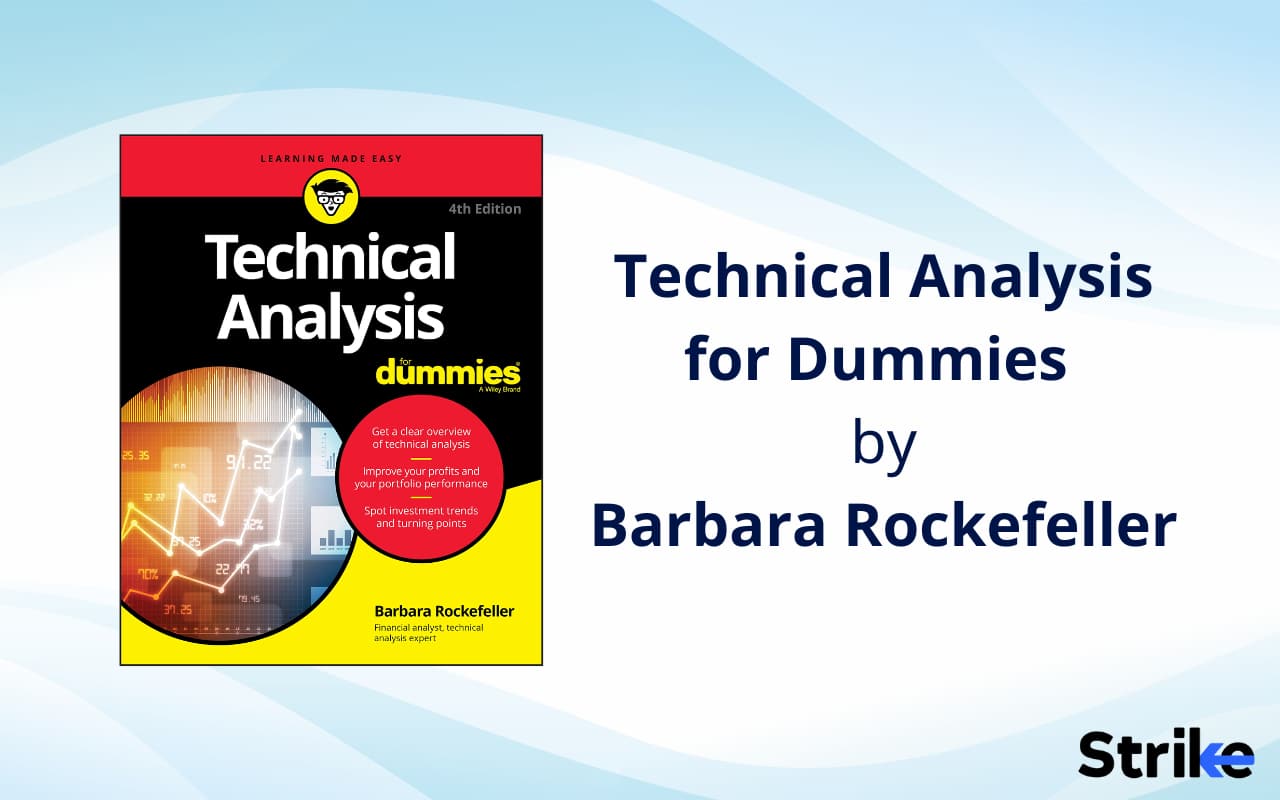
Technical Analysis for Dummies by Barbara Rockefeller
As the title suggests, this book provides a straightforward and accessible introduction to technical analysis. It covers the basic principles, chart patterns, and indicators in a clear and concise manner. It’s an excellent starting point for anyone with little to no prior knowledge of the subject. The book explains complex concepts with simple examples and illustrations, making it easy for beginners to grasp the fundamentals of technical analysis.
Getting Started in Technical Analysis by Jack D. Schwager
Jack Schwager, renowned for his Market Wizards series, offers a beginner-friendly guide to technical analysis. This book covers the basics of chart reading, trend identification, and the use of technical indicators. Schwager’s writing style is engaging and informative, making it an enjoyable read for those new to the field. He explains the importance of risk management and provides practical tips for applying technical analysis in real-world trading scenarios. This book on technical analysis is a solid foundation.
Technical Analysis Using Multiple Timeframes by Brian Shannon
While not strictly a beginner’s book, Shannon’s work provides a clear explanation of how to use multiple timeframes to analyze the market. It is a useful addition to a beginner’s library because it shows how different time horizons can affect analysis and trading decisions. This technical analysis book is a good stepping stone to more advanced concepts.
Intermediate-Level Books
Once you have a solid understanding of the basics, you can move on to more advanced books on technical analysis that delve deeper into specific techniques and strategies.
Technical Analysis of the Financial Markets by John J. Murphy
Considered a classic in the field, this comprehensive book covers virtually every aspect of technical analysis. Murphy provides detailed explanations of chart patterns, indicators, and trading systems. It’s a valuable resource for traders looking to expand their knowledge and refine their skills. The book includes numerous examples and case studies, illustrating how to apply technical analysis in various market conditions. This technical analysis book is a must-have for serious traders.
Trading in the Zone by Mark Douglas
While not exclusively focused on technical analysis, this book explores the psychological aspects of trading, which are crucial for success. Douglas examines the mental barriers that prevent traders from consistently executing their strategies and offers practical advice for overcoming these challenges. It is important to understand the mental aspect of trading. This book on technical analysis is a helpful addition to your trading library. [See also: Overcoming Trading Psychology]
Japanese Candlestick Charting Techniques by Steve Nison
This book provides a comprehensive guide to Japanese candlestick patterns, which are a powerful tool for identifying potential price reversals and continuations. Nison explains the different types of candlestick patterns and how to interpret them in conjunction with other technical indicators. This technical analysis book is considered the definitive guide on candlestick charting techniques.
Advanced Books and Specialized Techniques
For experienced traders seeking to master advanced techniques, these books on technical analysis offer in-depth coverage of specialized topics.
Mastering the Trade by John F. Carter
Carter shares his personal trading strategies and techniques, covering topics such as options trading, swing trading, and day trading. He provides practical insights into market dynamics and offers guidance on how to develop a profitable trading system. Carter’s approach is hands-on and results-oriented, making this book a valuable resource for experienced traders. This technical analysis book is for the serious trader.
Elliott Wave Principle by A.J. Frost and Robert Prechter
This book introduces the Elliott Wave Principle, a complex theory that attempts to identify recurring patterns in market prices. While the Elliott Wave Principle can be challenging to master, it offers a unique perspective on market dynamics and can be a valuable tool for long-term investors. This technical analysis book is an advanced text.
How to Make Money in Stocks by William J. O’Neil
While not solely focused on technical analysis, O’Neil’s book introduces the CAN SLIM investment strategy, which combines fundamental and technical analysis. O’Neil emphasizes the importance of identifying stocks with strong earnings growth and using technical indicators to time entry and exit points. This technical analysis book is a classic for growth investors.
Choosing the Right Book
Selecting the right books on technical analysis depends on your level of experience and specific interests. Beginners should start with introductory texts that cover the basic principles and concepts. Intermediate traders can move on to more advanced books that delve deeper into specific techniques and strategies. Experienced traders can explore specialized topics and advanced trading systems. Consider your learning style and what you want to achieve with technical analysis when choosing a book.
The Importance of Practice
Reading books on technical analysis is only the first step. To truly master the art of technical analysis, you must practice applying the concepts and techniques you learn. Use a demo account to test your strategies and refine your skills. Monitor market data and analyze charts regularly to identify potential trading opportunities. The more you practice, the better you will become at interpreting market data and making informed trading decisions.
Continuous Learning
The world of trading is constantly evolving, so it’s essential to stay up-to-date on the latest trends and techniques. Continue reading books on technical analysis and other resources to expand your knowledge and refine your skills. Attend seminars and workshops to learn from experienced traders. Join online communities and forums to share ideas and insights with other traders. Continuous learning is crucial for success in the dynamic world of trading.
Conclusion
Books on technical analysis are an invaluable resource for anyone seeking to understand market dynamics and improve their trading decisions. Whether you’re a beginner or an experienced trader, there are books available to suit your level of expertise and specific interests. By studying the principles and techniques outlined in these books, and by practicing applying them in real-world scenarios, you can significantly enhance your understanding of the market and increase your chances of success. Remember to choose books that align with your current knowledge and trading goals, and always prioritize continuous learning to stay ahead in the ever-evolving world of trading. Technical analysis is a skill that improves with practice and dedication, and the right books on technical analysis can be your guide.
