The 3 Legged Stool Retirement Plan: Is It Still Viable?
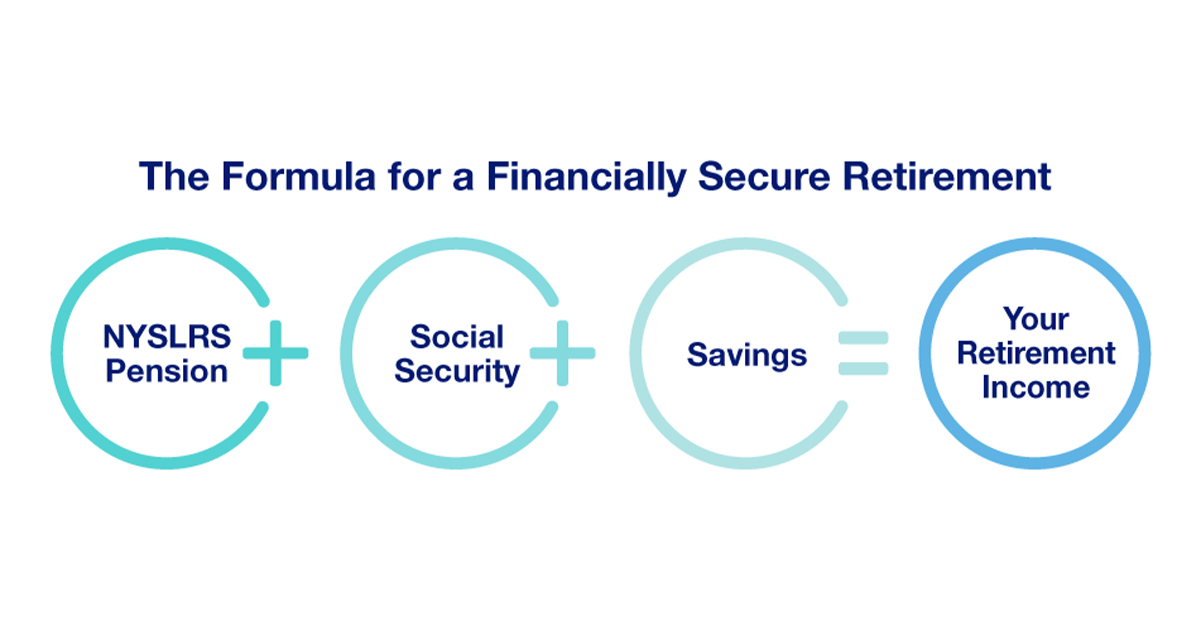
For decades, the “three-legged stool” analogy has been a cornerstone of retirement planning. This model suggests that a secure retirement is built upon three primary sources of income: Social Security, employer-sponsored pensions or retirement plans, and personal savings. The idea is that these three legs, working in concert, provide a stable and comfortable retirement. But in today’s rapidly changing economic landscape, is the 3 legged stool retirement plan still a viable strategy? This article will delve into the history of this model, examine its strengths and weaknesses, and explore whether it needs an update for the modern retiree.
Understanding the 3 Legged Stool Model
The 3 legged stool retirement plan gained prominence in the mid-20th century, a time when defined benefit pension plans were common, Social Security was relatively robust, and personal savings rates were higher. Each leg represented a distinct and reliable source of income:
- Social Security: A government-backed program providing a safety net for retirees, funded by payroll taxes.
- Employer-Sponsored Pensions: Typically defined benefit plans, where employers guaranteed a specific monthly payment upon retirement.
- Personal Savings: Individual savings and investments, such as savings accounts, stocks, and bonds.
The beauty of the 3 legged stool retirement model was its diversification. If one leg weakened, the other two could provide support, ensuring a more stable retirement income stream. It was a simple, easy-to-understand framework that helped individuals plan for their financial future.
The Erosion of the Traditional Model
Over the past few decades, significant shifts have occurred that have challenged the viability of the traditional 3 legged stool retirement plan. These changes have impacted each leg of the stool, creating uncertainty and requiring individuals to take more responsibility for their retirement security.
The Changing Landscape of Social Security
Social Security faces long-term funding challenges due to demographic shifts, including an aging population and longer life expectancies. While Social Security is not going bankrupt, projected benefit cuts are a real concern. This means that future retirees may receive a smaller portion of their income from Social Security than previous generations. [See also: Social Security Reform Options]
The Decline of Defined Benefit Pensions
Defined benefit pension plans, once a staple of retirement security, have largely been replaced by defined contribution plans, such as 401(k)s. In a defined benefit plan, the employer bears the investment risk and guarantees a specific retirement benefit. In contrast, with a 401(k), the employee is responsible for making investment decisions and managing their retirement savings. This shift has transferred the burden of retirement planning and investment risk from employers to employees. The disappearance of the traditional pension significantly impacts the 3 legged stool retirement concept.
The Challenge of Personal Savings
While personal savings have always been a crucial part of retirement planning, relying solely on savings has become increasingly difficult. Factors such as stagnant wages, rising healthcare costs, and economic uncertainty have made it challenging for many individuals to save adequately for retirement. Furthermore, low interest rates have made it harder to grow savings, and market volatility can erode retirement nest eggs. People are simply not saving enough to make the 3 legged stool retirement plan work.
Is the 3 Legged Stool Retirement Plan Obsolete?
Given the challenges to the traditional 3 legged stool retirement model, it’s natural to question its continued relevance. While the original framework may need updating, the underlying principle of diversification remains sound. The key is to adapt the model to reflect the realities of the modern retirement landscape.
Reimagining the Retirement Stool: Adding More Legs
One approach to strengthening the retirement stool is to add more legs. This involves diversifying income streams beyond the traditional three sources. Here are some additional legs to consider:
- Part-Time Employment: Working part-time during retirement can provide additional income and keep retirees engaged and active.
- Real Estate: Rental income from real estate investments can provide a steady stream of cash flow.
- Annuities: Annuities can provide a guaranteed income stream for life, offering protection against longevity risk (the risk of outliving your savings).
- Health Savings Account (HSA): HSAs can be a valuable tool for covering healthcare expenses in retirement.
- Gig Economy Income: Engaging in freelance work or participating in the gig economy can supplement retirement income.
By adding more legs to the stool, retirees can create a more resilient and diversified income plan.
Strategies for Building a Stronger Retirement Stool
Regardless of the number of legs, building a strong retirement stool requires careful planning and execution. Here are some strategies to consider:
Start Saving Early and Often
The earlier you start saving, the more time your investments have to grow. Take advantage of employer-sponsored retirement plans, such as 401(k)s, and contribute enough to receive the full employer match. Consider the power of compound interest. Time is your greatest asset.
Maximize Social Security Benefits
Understand your Social Security benefits and explore strategies for maximizing them. Delaying benefits until age 70 can significantly increase your monthly payments. Consider your break-even point and how long you expect to live. [See also: Social Security Claiming Strategies]
Manage Debt Wisely
High-interest debt can derail your retirement savings. Prioritize paying off debt, especially credit card debt, before retirement. Debt can eat into your retirement income and reduce your financial flexibility.
Invest Wisely
Develop a diversified investment portfolio that aligns with your risk tolerance and time horizon. Consider working with a financial advisor to create a personalized investment plan. Don’t put all your eggs in one basket. Diversification is key to managing risk.
Plan for Healthcare Costs
Healthcare costs are a significant expense in retirement. Factor in potential healthcare expenses when planning your retirement budget. Consider purchasing long-term care insurance to protect against the cost of long-term care. The 3 legged stool retirement plan does not usually include healthcare costs, so this is an important addendum.
Seek Professional Advice
Consider working with a qualified financial advisor to develop a comprehensive retirement plan. A financial advisor can help you assess your financial situation, set realistic goals, and create a plan to achieve them. They can also provide guidance on investment strategies, tax planning, and estate planning. Having a professional guide you through the complexities of retirement planning can be invaluable.
Conclusion: Adapting to the New Retirement Reality
The traditional 3 legged stool retirement model may no longer be sufficient for many individuals. However, the underlying principle of diversification remains essential. By adding more legs to the stool, saving early and often, and seeking professional advice, individuals can build a more secure and resilient retirement plan. The key is to adapt to the changing retirement landscape and take proactive steps to ensure a comfortable and financially secure future. The idea of the 3 legged stool retirement needs an update for the modern era. It’s time to rethink retirement and embrace a more holistic approach to financial planning. The concept of the 3 legged stool retirement is evolving and needs to be adapted. The 3 legged stool retirement plan is a good starting point but needs to be modernized. The 3 legged stool retirement plan is not dead, but it’s definitely in need of some serious updates. The 3 legged stool retirement concept is still valuable as a starting point. The 3 legged stool retirement can be adapted for the modern retiree. Remember that the 3 legged stool retirement should be seen as a foundation, not the complete plan. The 3 legged stool retirement is just one part of the retirement puzzle. The 3 legged stool retirement plan is simple, but not sufficient. The 3 legged stool retirement is a classic, but outdated model.
