Unveiling the Enigmatic World of Bearer Bonds: Value, Risks, and Modern Relevance
Bearer bonds, once a staple of international finance, evoke images of secrecy and intrigue. These instruments, unlike registered bonds, are unregistered, meaning ownership is determined solely by possession. This anonymity has historically made them attractive for various purposes, both legitimate and illicit. Understanding the bearer bonds value, associated risks, and their dwindling modern relevance is crucial for anyone interested in the history of finance and the evolution of regulatory frameworks.
What are Bearer Bonds? A Historical Perspective
To fully grasp the bearer bonds value, a brief historical overview is essential. Bearer bonds were widely issued throughout the 19th and 20th centuries. Their appeal stemmed from the ease of transfer – simply handing the bond over transferred ownership. This characteristic made them ideal for cross-border transactions and for individuals seeking privacy.
Imagine a wealthy European family seeking to diversify their investments outside their home country in the early 1900s. Bearer bonds offered a discreet way to accomplish this, bypassing the need for complex registration processes and potentially avoiding scrutiny from tax authorities. Similarly, companies used them to raise capital internationally, appealing to investors who valued anonymity.
How Bearer Bonds Work
The mechanics of bearer bonds are relatively straightforward. The bond certificate itself represents the debt obligation. It includes details such as the issuer, the principal amount, the interest rate (coupon rate), and the maturity date. Interest payments are typically made by presenting coupons attached to the bond to the issuer or a designated paying agent. Upon maturity, the bondholder presents the bond certificate to receive the principal amount.
The key difference between bearer bonds and registered bonds lies in the record-keeping. With registered bonds, the issuer maintains a record of the bondholders, and interest payments are typically sent directly to the registered owner. Bearer bonds, on the other hand, rely solely on physical possession for ownership. This difference has profound implications for transparency and regulation.
The Allure and the Dark Side: Advantages and Disadvantages
The advantages of bearer bonds, primarily their anonymity and ease of transfer, are also their greatest weaknesses. Let’s examine both sides:
Advantages
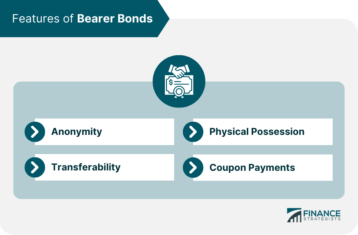
- Anonymity: Bondholders could remain anonymous, shielding their investments from prying eyes.
- Ease of Transfer: Transferring ownership was as simple as handing over the bond certificate.
- Circumventing Regulations: In some cases, bearer bonds allowed individuals and entities to bypass certain regulations, such as currency controls or reporting requirements.
Disadvantages
- Risk of Loss or Theft: Because ownership is determined by possession, losing a bearer bond is akin to losing cash. There is no way to prove ownership if the bond is lost or stolen.
- Attraction for Illicit Activities: The anonymity offered by bearer bonds made them attractive for money laundering, tax evasion, and other illegal activities.
- Lack of Investor Protection: Without registration, it’s difficult to track bondholders or provide them with important information about the issuer or the bond itself.
The Decline of Bearer Bonds: A Regulatory Response
The inherent risks associated with bearer bonds, particularly their potential for misuse in illicit activities, led to increased regulatory scrutiny. Over the past few decades, governments and international organizations have taken steps to limit their use and promote greater transparency in financial markets.
The United States, for example, largely eliminated the issuance of bearer bonds in the 1980s through the Tax Equity and Fiscal Responsibility Act (TEFRA) of 1982. This legislation imposed significant tax penalties on issuers of bearer bonds, effectively making them unattractive. Other countries followed suit, implementing similar measures to discourage their use.
International organizations like the Financial Action Task Force (FATF) have also played a crucial role in curbing the use of bearer bonds. The FATF has issued recommendations to its member countries to implement measures to prevent money laundering and terrorist financing, including restrictions on bearer instruments.
The Modern Relevance of Bearer Bonds: A Diminishing Role
While bearer bonds are not entirely extinct, their prevalence has significantly diminished in the modern financial landscape. Most developed countries have either banned their issuance altogether or imposed strict regulations on their use.
However, some bearer bonds may still exist, particularly those issued decades ago that have not yet matured. These bonds may be held by individuals or institutions who are unaware of their existence or who are deliberately concealing them. [See also: Understanding Unclaimed Property Laws]
The value of these remaining bearer bonds is subject to the same factors that affect the value of any fixed-income security, including interest rates, creditworthiness of the issuer, and time to maturity. However, the lack of liquidity and the regulatory risks associated with bearer bonds may make them less attractive to investors.
Determining the Value of a Bearer Bond
Assessing the bearer bonds value requires careful consideration. Several factors come into play:
Creditworthiness of the Issuer
The financial stability and credit rating of the entity that issued the bond are paramount. A higher credit rating indicates a lower risk of default, thus increasing the bond’s value. Conversely, a lower rating suggests a higher risk, potentially decreasing its value. Researching the issuer’s financial statements and credit ratings from reputable agencies is essential.
Prevailing Interest Rates
Interest rates and bond prices have an inverse relationship. When interest rates rise, the value of existing bonds, including bearer bonds, typically falls. This is because new bonds are issued with higher coupon rates, making older bonds with lower rates less attractive. Conversely, if interest rates fall, the value of existing bonds tends to increase.
Time to Maturity
The time remaining until the bond matures and the principal is repaid also affects its value. Generally, longer-term bonds are more sensitive to interest rate changes than shorter-term bonds. As a bond approaches its maturity date, its price tends to converge towards its face value.
Liquidity
Liquidity refers to how easily a bond can be bought or sold in the market without significantly affecting its price. Bearer bonds are often less liquid than registered bonds due to their limited availability and the regulatory scrutiny surrounding them. This lack of liquidity can make it more difficult to determine their fair market value.
Market Conditions
Overall market conditions, such as economic growth, inflation, and investor sentiment, can also influence bond prices. During periods of economic uncertainty, investors may flock to safer assets, such as government bonds, potentially driving down the value of riskier assets, including certain bearer bonds.
The Risks Associated with Owning Bearer Bonds Today
Holding bearer bonds in the present day comes with its own set of challenges and potential pitfalls.
Regulatory Scrutiny
Due to their historical association with illicit activities, bearer bonds are subject to increased regulatory scrutiny. Owning or dealing with them may attract unwanted attention from law enforcement or tax authorities. It’s crucial to ensure full compliance with all applicable laws and regulations.
Difficulty in Selling
Finding a buyer for a bearer bond can be difficult, especially if it’s a large denomination or if the issuer is not well-known. Many financial institutions are reluctant to handle bearer bonds due to the regulatory risks involved. This lack of liquidity can make it challenging to realize the bond’s full value.
Potential for Loss or Theft
As mentioned earlier, the risk of loss or theft remains a significant concern with bearer bonds. If the bond is lost or stolen, there is no way to recover it. It’s essential to store bearer bonds in a secure location and to avoid disclosing their existence to unauthorized individuals.
Alternatives to Bearer Bonds: Modern Investment Options
For investors seeking privacy and diversification, there are several modern alternatives to bearer bonds that offer greater transparency and regulatory compliance.
Nominee Accounts
Nominee accounts allow investors to hold securities through a nominee, such as a brokerage firm or a trust company. This provides a degree of privacy while still complying with regulatory requirements. The nominee acts as the registered owner of the securities, but the beneficial owner retains control over the investment decisions.
Offshore Trusts and Foundations
Offshore trusts and foundations can be used to hold assets in a confidential manner. These structures are subject to the laws of the jurisdiction in which they are established, which may offer greater privacy than domestic laws. However, it’s crucial to ensure that these structures are compliant with all applicable tax and reporting requirements.
Registered Bonds
Registered bonds offer a secure and transparent way to invest in fixed-income securities. The bondholder’s name and address are recorded with the issuer, and interest payments are typically sent directly to the registered owner. This provides greater investor protection and reduces the risk of loss or theft.
Conclusion: The Legacy of Bearer Bonds
Bearer bonds, once a prominent feature of the financial landscape, have largely faded into obscurity due to regulatory pressures and the rise of more transparent investment options. While some bearer bonds may still exist, their value is often outweighed by the risks and challenges associated with owning them.
Understanding the history and characteristics of bearer bonds provides valuable insights into the evolution of financial regulation and the ongoing efforts to combat money laundering and other illicit activities. As the world moves towards greater transparency in financial markets, the era of bearer bonds is likely to remain a relic of the past.
The story of bearer bonds serves as a cautionary tale about the unintended consequences of financial innovation and the importance of balancing privacy with the need for transparency and accountability. The value, both monetary and historical, of these instruments continues to be debated and analyzed by financial historians and regulators alike.
Ultimately, the decline of bearer bonds reflects a broader trend towards greater transparency and regulation in the global financial system. While the allure of anonymity may persist, the risks and challenges associated with bearer bonds make them a less attractive option for most investors in today’s world. The true bearer bonds value lies more in their historical significance than in their current practical application.
