Unveiling Barer Bonds: A Comprehensive Guide to Zero-Coupon Securities
In the intricate world of finance, various investment instruments cater to different risk appetites and financial goals. Among these, barer bonds stand out as unique securities offering a specific set of advantages and disadvantages. This comprehensive guide delves into the intricacies of barer bonds, exploring their characteristics, benefits, risks, and how they fit into a broader investment strategy. Understanding barer bonds is crucial for investors seeking to diversify their portfolios and potentially achieve long-term financial objectives.
What are Barer Bonds?
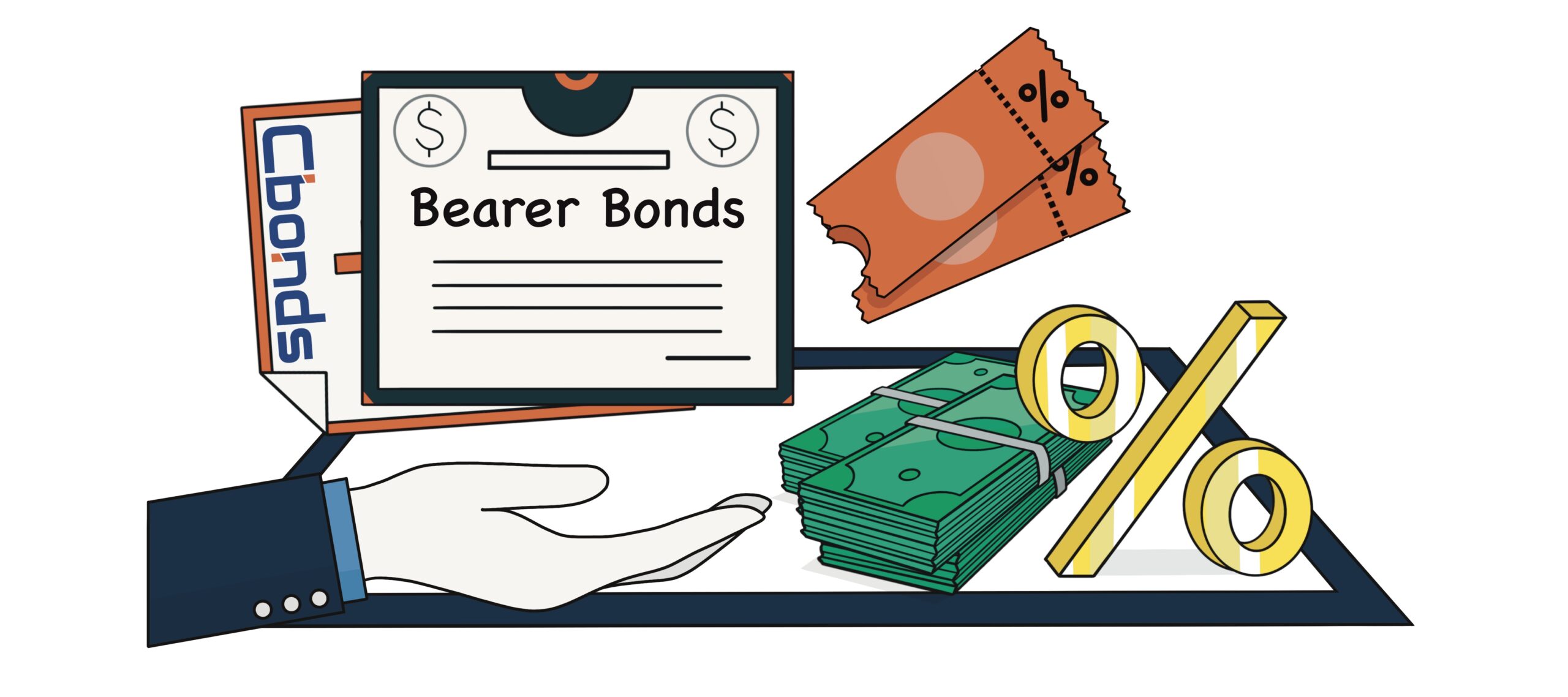
Barer bonds, also known as zero-coupon bonds, are debt securities that do not pay periodic interest payments (coupons) to the bondholder. Instead, they are issued at a discount to their face value and mature at par. The investor’s return is the difference between the purchase price and the face value received at maturity. The term “barer” refers to the fact that ownership is determined by possession of the physical bond certificate, rather than registration with the issuer.
Unlike traditional bonds that offer a steady stream of income through coupon payments, barer bonds provide a lump-sum payment at maturity. This makes them attractive to investors seeking a predictable future payout. However, the lack of current income requires careful consideration of opportunity costs and inflation.
Key Characteristics of Barer Bonds
- Zero Coupon Payments: The defining feature of barer bonds is the absence of periodic interest payments.
- Discounted Purchase Price: Barer bonds are always bought at a price lower than their face value. The deeper the discount, the higher the potential return.
- Maturity Date: Like all bonds, barer bonds have a specific maturity date when the face value is repaid to the holder.
- Fixed Income: Although they don’t pay periodic interest, barer bonds are still considered fixed income securities because the return is known at the time of purchase, assuming the bond is held to maturity.
- Ownership by Possession: In the past, a key feature was ownership by physical possession of the certificate. This is becoming less common as most bonds are now held electronically.
Advantages of Investing in Barer Bonds
Barer bonds offer several potential benefits to investors:
- Predictable Future Value: The return on a barer bond is known at the time of purchase, allowing investors to plan for future financial needs with certainty.
- Suitable for Long-Term Goals: Barer bonds are often used to fund long-term goals like retirement, education, or a down payment on a house.
- Tax Deferral: Although the accrued interest is taxable annually (even though it’s not received until maturity), the actual payment of taxes is deferred until the bond matures. This can be advantageous for investors in higher tax brackets. However, it’s crucial to understand the tax implications with a financial advisor.
- Diversification: Barer bonds can be a valuable addition to a diversified portfolio, providing a different risk-return profile compared to stocks and other asset classes.
Risks Associated with Barer Bonds
While barer bonds offer certain advantages, it’s crucial to be aware of the potential risks:
- Inflation Risk: The purchasing power of the future payout can be eroded by inflation, especially over long periods. Investors should consider the expected inflation rate when evaluating the attractiveness of a barer bond.
- Interest Rate Risk: If interest rates rise, the value of existing barer bonds may decline. This is because new barer bonds will be issued at a higher yield, making the older bonds less attractive.
- Reinvestment Risk: Because there are no coupon payments to reinvest, investors miss out on the opportunity to earn additional returns over the life of the bond.
- Credit Risk: The issuer of the barer bond may default on its obligation to repay the face value at maturity. Investors should carefully assess the creditworthiness of the issuer before investing. [See also: Understanding Credit Ratings]
- Liquidity Risk: Barer bonds may be less liquid than other types of bonds, meaning it may be difficult to sell them quickly at a fair price before maturity.
How to Invest in Barer Bonds
Investing in barer bonds typically involves working with a brokerage firm or financial advisor. Here are the general steps:
- Determine your investment goals and risk tolerance: Before investing in any security, it’s essential to understand your financial goals and how much risk you are willing to take.
- Research different barer bonds: Compare the yields, maturity dates, and credit ratings of different barer bonds.
- Open a brokerage account: If you don’t already have one, open an account with a brokerage firm that offers barer bonds.
- Place your order: Specify the amount of barer bonds you want to purchase.
- Monitor your investment: Keep track of the performance of your barer bonds and make adjustments to your portfolio as needed.
Tax Implications of Barer Bonds
The tax treatment of barer bonds can be complex. Although no interest is paid until maturity, the accrued interest is typically taxable annually as phantom income. This means that investors must pay taxes on the interest even though they haven’t received it yet. It is essential to consult with a tax advisor to understand the specific tax implications of investing in barer bonds in your individual circumstances.
Barer Bonds vs. Traditional Bonds
The main difference between barer bonds and traditional bonds lies in the payment of interest. Traditional bonds pay periodic interest payments (coupons), while barer bonds do not. This difference has several implications for investors:
- Income Stream: Traditional bonds provide a steady stream of income, while barer bonds offer a lump-sum payment at maturity.
- Reinvestment Opportunities: Traditional bonds allow investors to reinvest coupon payments, potentially earning additional returns. Barer bonds do not offer this opportunity.
- Taxation: The tax treatment of coupon payments from traditional bonds is typically straightforward. The taxation of accrued interest on barer bonds can be more complex.
- Price Sensitivity: Barer bonds tend to be more sensitive to changes in interest rates than traditional bonds with shorter maturities.
Are Barer Bonds Right for You?
The suitability of barer bonds depends on your individual financial circumstances and investment goals. Barer bonds may be a good choice for investors who:
- Are seeking a predictable future payout.
- Have a long-term investment horizon.
- Are in a high tax bracket and can benefit from tax deferral.
- Want to diversify their portfolio with a fixed income security.
However, barer bonds may not be suitable for investors who:
- Need a steady stream of income.
- Are concerned about inflation risk.
- Have a short-term investment horizon.
- Are uncomfortable with the complexity of the tax implications.
The Future of Barer Bonds
The popularity of physical barer bonds has declined significantly in recent years due to concerns about tax evasion and money laundering. Most bonds are now issued and held electronically, making it easier to track ownership and prevent illicit activities. However, the underlying concept of a zero-coupon bond remains relevant and is still used in various financial instruments. [See also: The Evolution of Bond Markets]
In conclusion, barer bonds offer a unique investment opportunity for those seeking a predictable future payout and potential tax benefits. However, it’s crucial to carefully consider the risks and tax implications before investing. By understanding the characteristics, advantages, and disadvantages of barer bonds, investors can make informed decisions and potentially achieve their long-term financial goals. Before making any investment decisions, consult with a qualified financial advisor to determine if barer bonds are right for you.
