Unveiling the Meaning of Duty Free Shops: A Comprehensive Guide
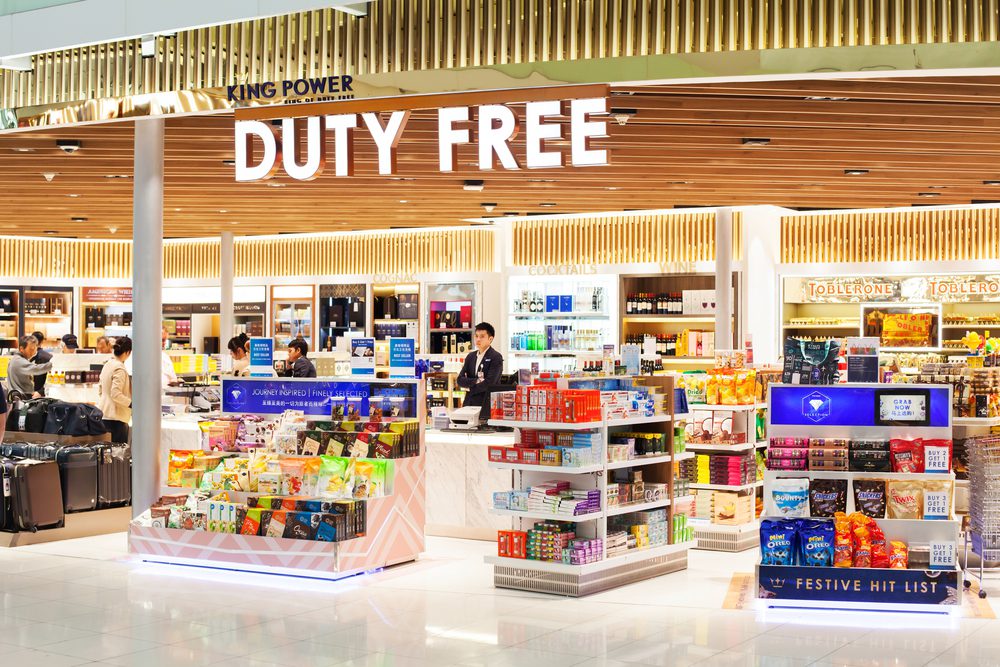
Ever wondered what makes those alluring airport stores so tempting? They’re called duty free shops, and their allure lies in the promise of significant savings. But what exactly *is* a duty free shop, and how do they operate? This comprehensive guide will delve into the meaning of duty free shops, exploring their history, benefits, regulations, and everything else you need to know before your next international trip. Understanding the meaning of duty free shops can help you make informed purchasing decisions and maximize your travel budget.
The Origin and Evolution of Duty Free
The concept of duty free shopping dates back to the mid-20th century. Shannon Airport in Ireland is often credited with pioneering the idea in 1947. The aim was to provide a service to transatlantic passengers who were stopping to refuel, offering them goods without the burden of excise duties and taxes. This innovative concept quickly gained popularity and spread to other airports and ports worldwide.
Initially, duty free shops primarily focused on selling alcohol, tobacco, and perfumes. Over time, their product range expanded to include luxury goods, electronics, fashion items, and even local souvenirs. Today, duty free shops represent a multi-billion dollar industry, playing a significant role in the travel retail sector.
Deciphering the Meaning: What Makes a Shop Duty Free?
At its core, the meaning of duty free shop revolves around the exemption of certain taxes and duties on goods sold to travelers who are taking them out of the country or region. These taxes typically include excise duties (levied on specific goods like alcohol and tobacco) and value-added tax (VAT) or sales tax. Because these taxes are not applied, the prices of items in duty free shops can be significantly lower than those in regular retail stores.
However, it’s crucial to understand that the term “duty free” can be slightly misleading. While you don’t pay taxes in the country of purchase, you *may* be required to declare these items and pay duties upon arrival in your destination country, depending on their customs regulations and your personal allowance. [See also: Understanding Customs Allowances]
Benefits of Shopping at Duty Free Shops
- Potential Savings: The most obvious benefit is the potential to save money. By avoiding taxes, you can often purchase goods at a lower price than you would elsewhere.
- Exclusive Products: Some duty free shops offer products that are exclusive to travel retail, meaning you won’t find them in regular stores. These can include limited-edition items or special packaging.
- Convenience: Duty free shops are conveniently located in airports, ports, and border crossings, making them easily accessible to travelers.
- Last-Minute Gifts: They provide a great opportunity to pick up last-minute gifts or souvenirs before heading home.
- Product Testing: Often offer testers for perfumes and cosmetics, allowing you to try before you buy.
Navigating the Regulations and Restrictions
While the allure of duty free shopping is strong, it’s essential to be aware of the regulations and restrictions that apply. These can vary significantly depending on the country, the type of goods, and your destination.
Customs Allowances
Every country has its own customs allowance, which specifies the quantity and value of goods that you can bring into the country without paying duty. It is crucial to familiarize yourself with the customs regulations of your destination country before you make any purchases in a duty free shop. Exceeding your allowance can result in hefty fines or even confiscation of the goods. [See also: Checking Destination Country Customs Regulations]
Liquor and Tobacco Restrictions
Alcohol and tobacco are often subject to stricter regulations than other goods. There are usually limits on the quantity you can purchase duty free, and these limits may be lower than your overall customs allowance. It’s also important to be aware of any age restrictions on purchasing alcohol or tobacco in the country where you are shopping.
Security Regulations
Security regulations can also impact your duty free purchases. If you are traveling with connecting flights, you may be required to place liquids purchased in a duty free shop in a sealed, tamper-evident bag. It is always a good idea to check with the airport security staff about the specific regulations in place.
Tips for Smart Duty Free Shopping
To make the most of your duty free shopping experience, consider these tips:
- Do Your Research: Before you travel, research the average prices of the items you are interested in buying. This will help you determine whether the duty free price is actually a good deal.
- Know Your Allowances: Familiarize yourself with the customs regulations of your destination country.
- Compare Prices: Don’t assume that the first duty free shop you see offers the best prices. Take the time to compare prices between different shops.
- Consider Exchange Rates: Be mindful of the exchange rate when comparing prices.
- Check Expiry Dates: Especially important for cosmetics and perfumes.
- Keep Your Receipts: You will need to show your receipts to customs officials upon arrival in your destination country.
- Factor in Convenience: Sometimes, the slight price difference might be worth the convenience, particularly if you’re short on time.
Beyond the Airport: Duty Free in Other Locations
While airports are the most common location for duty free shops, they can also be found in other places, such as:
- Border Crossings: Shops located at land border crossings between countries.
- Cruise Ships and Ferries: Many cruise ships and ferries offer duty free shopping to passengers traveling between international ports.
- Designated Tourist Areas: Some countries have designated tourist areas where duty free shopping is permitted.
The Future of Duty Free
The duty free industry is constantly evolving to meet the changing needs of travelers. Online duty free shopping is becoming increasingly popular, allowing travelers to browse and purchase goods before they even arrive at the airport. There is also a growing focus on sustainability, with duty free shops offering more eco-friendly products and reducing their environmental impact. As travel continues to grow, duty free shops are expected to remain a key part of the travel experience.
The Allure of Duty Free: More Than Just Savings
The meaning of duty free shops extends beyond just tax exemptions and potential savings. For many travelers, they represent a sense of excitement and anticipation, a gateway to new experiences and destinations. They offer a curated selection of goods, often showcasing local products and brands, and provide a unique shopping experience that is tailored to the needs of international travelers. The carefully crafted environment, the promise of luxury, and the thrill of finding a bargain all contribute to the enduring appeal of duty free shopping.
In conclusion, understanding the meaning of duty free shops involves grasping the interplay of tax exemptions, customs regulations, and the potential for savings. By being informed and planning ahead, you can navigate the world of duty free shopping with confidence and make the most of your next international trip. Remember to always check your destination’s customs allowances and shop responsibly.
