How Does a Duty-Free Store Work? A Traveler’s Guide
Ever wandered through an airport or ferry terminal and spotted those alluring duty-free shops, promising savings on everything from liquor and tobacco to perfumes and electronics? The concept seems simple enough: products without the burden of local taxes and duties. But how does a duty-free store work, really? This guide will demystify the process, explaining the ins and outs of duty-free shopping and what you need to know before you splurge.
The Basics of Duty-Free Shopping
At its core, a duty-free store operates on the principle of selling goods that are exempt from certain local or national taxes and duties. These taxes typically include import duties, excise taxes, and sales taxes. The idea is that these goods are intended for consumption outside of the country or jurisdiction where they are purchased. Think of it as a way to avoid double taxation – you shouldn’t be taxed on goods in one country if you’re going to be taxed on them again when you bring them into another country.
The system is designed to promote international trade and tourism. By offering goods at lower prices, duty-free shops encourage travelers to spend money, boosting the economy of the area where the store is located. However, there are rules and regulations in place to prevent abuse of the system, ensuring that the goods are indeed exported and not resold within the country.
The Mechanics: How Duty-Free Stores Operate
So, how does a duty-free store work behind the scenes? Here’s a breakdown of the key elements:
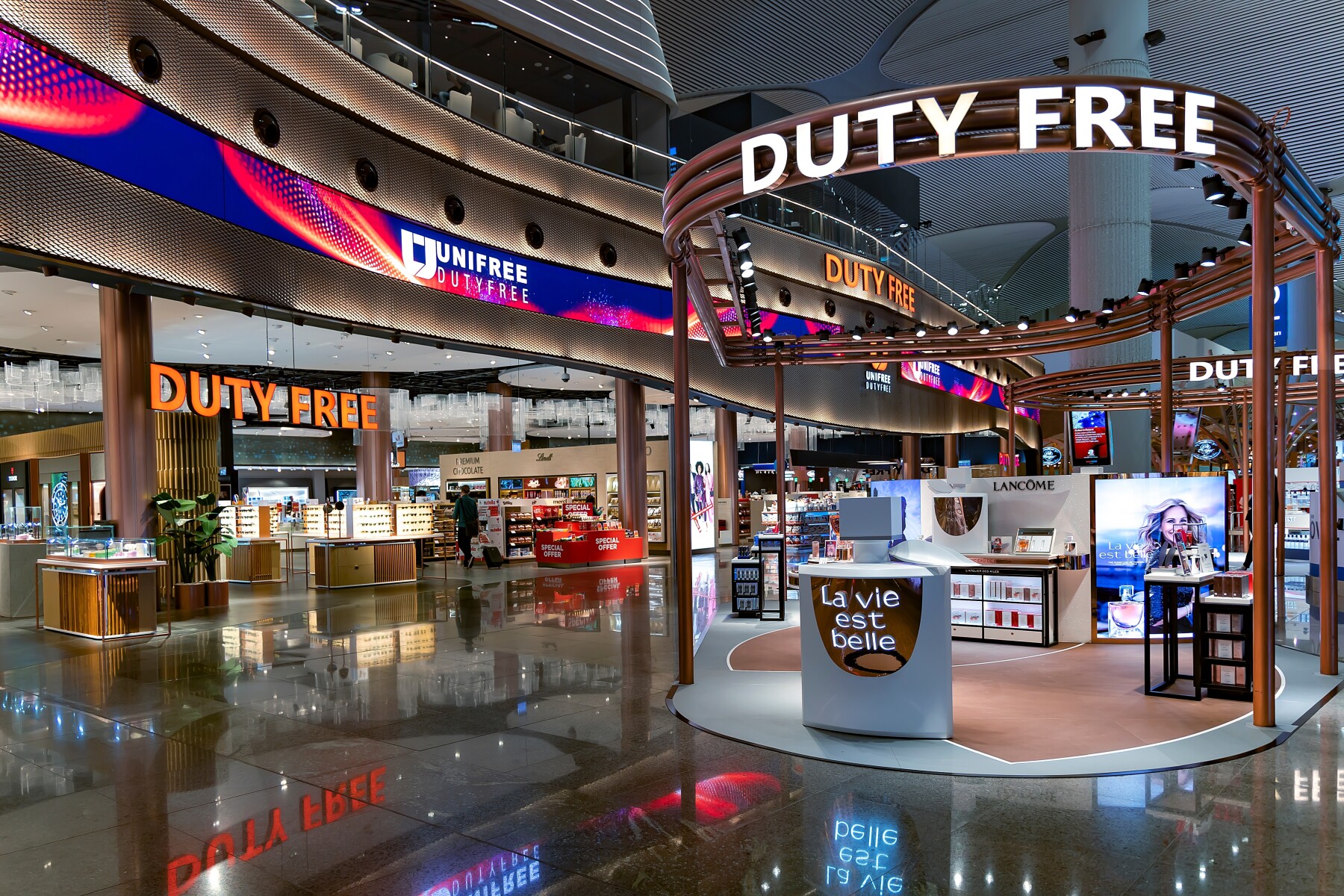
- Location: Duty-free shops are typically located in international zones, such as airports, seaports, and border crossings. These locations are designated as areas where goods can be sold to travelers who are leaving the country or jurisdiction.
- Tax Exemption: The store is granted a license to operate without collecting certain taxes. This license is usually issued by the local or national government.
- Inventory Management: Duty-free stores maintain strict inventory control to track the movement of goods and ensure that they are sold only to eligible customers.
- Customer Eligibility: To purchase items from a duty-free store, you must be traveling internationally and be able to provide proof of your travel itinerary, such as a boarding pass or passport.
- Purchase Limits: There are often limits on the quantity of goods you can purchase, particularly for items like alcohol and tobacco. These limits are set to prevent commercial resale and ensure that the goods are for personal use.
- Customs Regulations: When you arrive at your destination, you may be required to declare the goods you purchased at the duty-free store and pay any applicable taxes or duties in that country.
What Can You Buy at a Duty-Free Store?
The range of products available at duty-free stores can vary depending on the location and the size of the store. However, some common items include:
- Alcohol: Liquor, wine, and beer are popular choices, often available at significantly lower prices than in regular stores.
- Tobacco: Cigarettes, cigars, and other tobacco products are also commonly sold.
- Perfumes and Cosmetics: Many duty-free stores offer a wide selection of fragrances, makeup, and skincare products from well-known brands.
- Confectionery: Chocolates, candies, and other sweets are often available, making them a good option for gifts.
- Electronics: Some duty-free stores sell electronics such as headphones, cameras, and mobile phones.
- Luxury Goods: Designer handbags, watches, and jewelry may also be available, particularly at larger airport duty-free stores.
- Local Products: In some locations, you can find duty-free shops selling local crafts, souvenirs, and regional specialties.
The Appeal of Duty-Free: Why Shop There?
The primary draw of duty-free shopping is the potential for savings. By avoiding taxes and duties, the prices of goods can be significantly lower than in regular retail stores. This can be particularly attractive for expensive items like alcohol, perfume, and electronics. However, it’s crucial to remember that savings are not guaranteed, and it’s always a good idea to compare prices before making a purchase. Sometimes, promotions in regular stores can offer even better deals.
Beyond the price factor, duty-free stores also offer convenience. They are located in areas where travelers are already spending time, making it easy to browse and buy items without having to make a separate trip to a store. Many duty-free shops also offer a wide selection of products, making it a one-stop shop for gifts and personal items.
Potential Pitfalls: Things to Consider
While duty-free shopping can be a great way to save money, there are some potential pitfalls to be aware of:
- Price Comparison: Don’t assume that everything in a duty-free store is cheaper. Always compare prices with regular stores or online retailers to ensure you’re getting a good deal.
- Customs Regulations: Be aware of the customs regulations in your destination country. You may be required to declare your purchases and pay taxes or duties if you exceed the allowable limits. [See also: International Customs Regulations]
- Quantity Limits: Pay attention to the quantity limits for certain items, such as alcohol and tobacco. Exceeding these limits can result in fines or confiscation of the goods.
- Exchange Rates: Be mindful of the exchange rate if you’re paying in a different currency. The exchange rate offered by the store may not be the most favorable.
- Impulse Buying: It’s easy to get caught up in the excitement of duty-free shopping and make impulse purchases. Stick to your budget and only buy what you need or really want.
Duty-Free vs. Tax-Free: Understanding the Difference
It’s important to distinguish between duty-free and tax-free shopping. While the terms are often used interchangeably, they are not the same thing. Duty-free refers to goods that are exempt from import duties and excise taxes, while tax-free refers to goods that are exempt from sales taxes or VAT (Value Added Tax). Duty-free shopping is typically available to international travelers, while tax-free shopping is often available to tourists who are visiting a country and will be taking the goods back home with them. [See also: Tax-Free Shopping for Tourists]
With tax-free shopping, you typically pay the full price of the item, including taxes, at the time of purchase. You then apply for a refund of the taxes when you leave the country, usually by presenting your receipts and goods at a designated customs counter at the airport or border crossing. The refund is usually issued in the form of cash, a credit card refund, or a check.
The Future of Duty-Free Shopping
The landscape of duty-free shopping is constantly evolving. With the rise of e-commerce and global travel, duty-free stores are facing new challenges and opportunities. Many duty-free retailers are now offering online shopping options, allowing travelers to browse and purchase items before they even arrive at the airport. This can be a convenient way to save time and ensure that you get the products you want.
Another trend is the increasing focus on sustainability and ethical sourcing. Consumers are becoming more aware of the environmental and social impact of their purchases, and duty-free stores are responding by offering more eco-friendly and ethically sourced products. This includes items made from sustainable materials, products that are fair trade certified, and goods that are produced by local artisans.
How does a duty-free store work in the future? It likely involves a blend of traditional retail experiences with digital innovations and a greater emphasis on sustainability. The core concept of offering tax-exempt goods to international travelers will likely remain the same, but the way these goods are presented and sold will continue to evolve.
Tips for Making the Most of Duty-Free Shopping
To maximize your duty-free shopping experience, consider these tips:
- Plan Ahead: Research the prices of items you’re interested in buying before you travel. This will help you determine if the duty-free store is offering a good deal.
- Check Your Allowances: Be aware of the customs allowances in your destination country and any quantity limits for certain items.
- Compare Prices: Don’t assume that everything in a duty-free store is cheaper. Compare prices with regular stores or online retailers before making a purchase.
- Read the Fine Print: Pay attention to the terms and conditions of any promotions or discounts.
- Keep Your Receipts: You’ll need your receipts to claim a tax refund (if applicable) or to provide proof of purchase to customs officials.
- Shop Responsibly: Stick to your budget and only buy what you need or really want.
Conclusion
Understanding how does a duty-free store work can help you make informed decisions and potentially save money on your travels. By knowing the basics of duty-free shopping, being aware of the potential pitfalls, and following a few simple tips, you can make the most of your duty-free experience. So, next time you’re passing through an airport or ferry terminal, take a look around and see what deals you can find. Just remember to shop responsibly and enjoy the experience!
