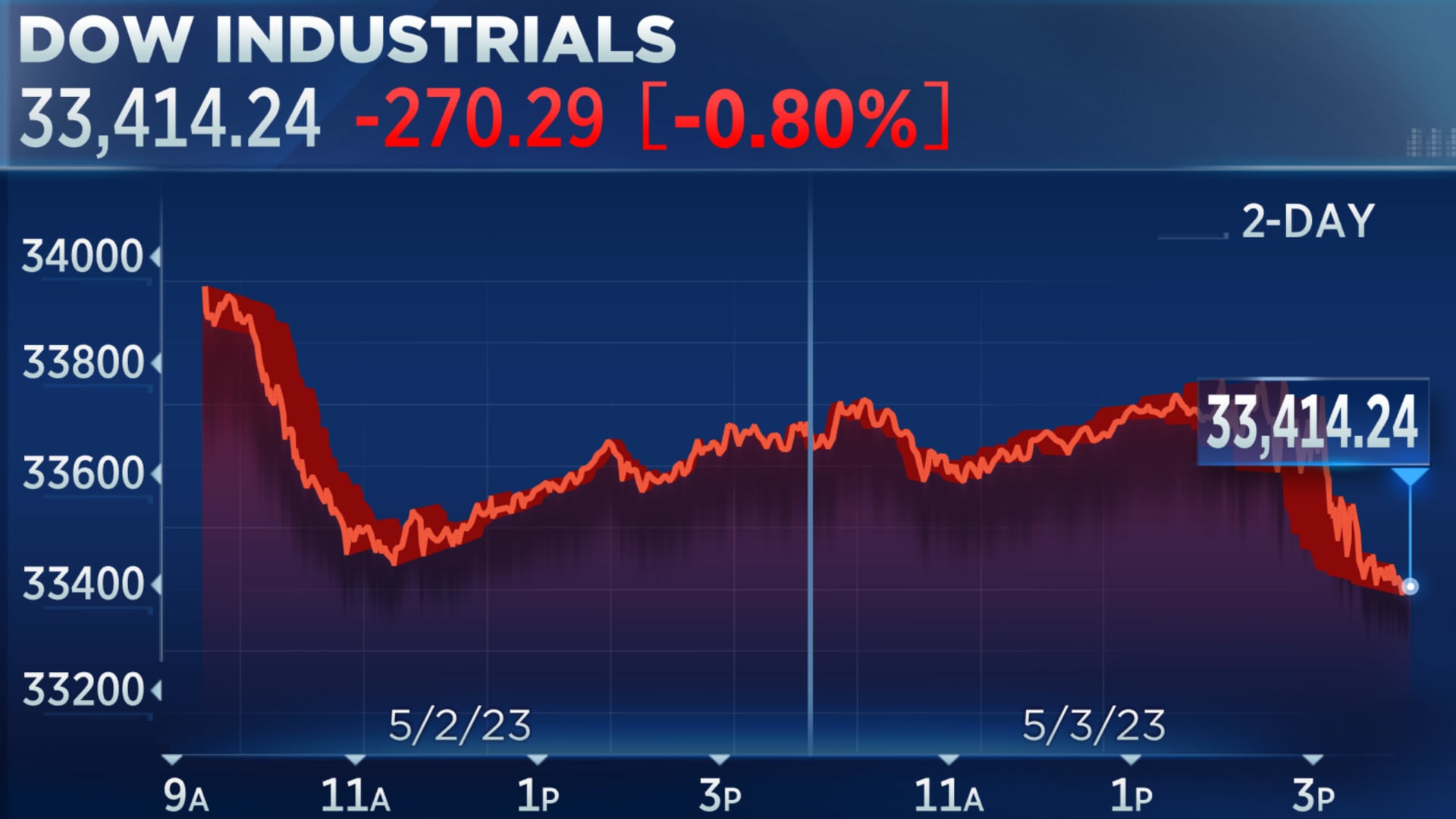
Today’s Market Analysis: Navigating Volatility and Identifying Opportunities
In today’s rapidly evolving financial landscape, a comprehensive market analysis is crucial for investors and businesses alike. Understanding the current trends, potential risks, and emerging opportunities allows for informed decision-making and strategic planning. This article provides a detailed today’s market analysis, examining key sectors, economic indicators, and geopolitical factors influencing global markets.
Global Economic Overview
The global economy currently presents a mixed picture. While some regions exhibit signs of recovery, others continue to grapple with the lingering effects of the pandemic, supply chain disruptions, and inflationary pressures. The International Monetary Fund (IMF) recently revised its global growth forecast, citing concerns over rising interest rates and geopolitical tensions. A detailed today’s market analysis reveals that developed economies are experiencing slower growth compared to emerging markets, although the latter face their own set of challenges, including currency volatility and debt sustainability.
Key Economic Indicators
Several key economic indicators provide valuable insights into the health of the global economy. These include:
- GDP Growth: Tracking the Gross Domestic Product (GDP) growth rate provides a measure of overall economic activity.
- Inflation Rate: Monitoring inflation rates helps assess the purchasing power of consumers and the stability of prices.
- Unemployment Rate: Analyzing unemployment rates indicates the health of the labor market.
- Interest Rates: Observing central bank interest rate policies provides insights into monetary policy and its impact on borrowing costs and investment.
- Consumer Confidence: Gauging consumer confidence levels reflects consumer sentiment and spending patterns.
A thorough today’s market analysis considers these indicators to provide a holistic view of the economic landscape. [See also: Economic Indicators Explained]
Sector-Specific Analysis
Different sectors of the economy respond differently to prevailing market conditions. Understanding these nuances is essential for making informed investment decisions. Let’s delve into a sector-specific today’s market analysis:
Technology Sector
The technology sector has been a significant driver of growth in recent years. However, rising interest rates and concerns about valuation have led to increased volatility. Companies with strong fundamentals, innovative products, and sustainable business models are likely to outperform in the long run. A key aspect of today’s market analysis for the tech sector involves evaluating the impact of emerging technologies such as artificial intelligence, blockchain, and cloud computing.
Energy Sector
The energy sector is heavily influenced by geopolitical events, supply and demand dynamics, and environmental regulations. Rising energy prices have fueled inflation but also created opportunities for renewable energy companies. Today’s market analysis in the energy sector focuses on the transition to clean energy, the impact of OPEC policies, and the development of alternative energy sources.
Financial Sector
The financial sector is closely tied to interest rates, economic growth, and regulatory changes. Banks and financial institutions face challenges from fintech companies and changing consumer preferences. A crucial component of today’s market analysis for the financial sector involves assessing the impact of digital currencies, regulatory reforms, and the evolving landscape of financial services.
Healthcare Sector
The healthcare sector is relatively resilient to economic downturns due to the essential nature of healthcare services. However, it faces challenges from rising costs, regulatory pressures, and demographic shifts. Today’s market analysis in the healthcare sector focuses on advancements in medical technology, the aging population, and the increasing demand for healthcare services.
Geopolitical Factors
Geopolitical events can have a significant impact on global markets. Trade tensions, political instability, and international conflicts can disrupt supply chains, increase uncertainty, and affect investor sentiment. A comprehensive today’s market analysis must consider these geopolitical factors and their potential implications.
Trade Wars
Trade wars between major economies can disrupt global trade flows, increase tariffs, and harm economic growth. Monitoring trade negotiations and policy changes is crucial for assessing the impact of trade wars on various sectors and regions. The impact of these trade wars is a key component of today’s market analysis.
Political Instability
Political instability in key regions can create uncertainty and disrupt investment flows. Elections, social unrest, and political conflicts can affect market sentiment and lead to increased volatility. A thorough today’s market analysis assesses the political risks in different regions and their potential impact on global markets.
International Conflicts
International conflicts can have devastating consequences for global markets. Disruptions to supply chains, increased military spending, and humanitarian crises can all affect economic growth and investor confidence. Understanding the geopolitical landscape is essential for navigating the complexities of today’s market analysis.
Investment Strategies
Based on today’s market analysis, investors can adopt various strategies to navigate the current market conditions. These include:
- Diversification: Spreading investments across different asset classes, sectors, and regions can help reduce risk.
- Value Investing: Identifying undervalued companies with strong fundamentals can provide long-term returns.
- Growth Investing: Investing in companies with high growth potential can generate significant returns.
- Income Investing: Focusing on investments that generate regular income, such as dividends and bonds, can provide a steady stream of cash flow.
- Defensive Investing: Investing in companies and sectors that are relatively resilient to economic downturns can provide stability during volatile periods.
Choosing the right investment strategy depends on individual risk tolerance, investment goals, and time horizon. A detailed today’s market analysis can help investors make informed decisions and achieve their financial objectives. [See also: Investment Strategies for Beginners]
Risk Management
Risk management is an essential part of investing. Understanding and mitigating potential risks can help protect capital and enhance returns. Key risk management strategies include:
- Setting Stop-Loss Orders: Placing stop-loss orders can help limit potential losses on investments.
- Hedging: Using financial instruments to offset potential losses can provide protection against market volatility.
- Regular Portfolio Review: Periodically reviewing and rebalancing the portfolio can help ensure that it aligns with investment goals and risk tolerance.
A robust risk management framework is crucial for navigating the uncertainties of today’s market analysis.
Conclusion
Today’s market analysis reveals a complex and dynamic landscape characterized by volatility, uncertainty, and emerging opportunities. By understanding the key economic indicators, sector-specific trends, and geopolitical factors, investors and businesses can make informed decisions and navigate the challenges of the current market environment. A proactive approach to risk management and a well-defined investment strategy are essential for achieving long-term success. Staying informed and adapting to changing market conditions is crucial for thriving in today’s rapidly evolving financial world. Further research and continuous monitoring of market dynamics are vital for a comprehensive and up-to-date today’s market analysis.
