Bearer Bond Definition: Understanding Anonymity and Risk
In the world of finance, certain instruments carry a mystique, often associated with both opportunity and potential risk. One such instrument is the bearer bond. Understanding the bearer bond definition is crucial for anyone involved in investment, law, or financial regulation. This article delves into the intricacies of bearer bonds, exploring their characteristics, historical context, advantages, disadvantages, and current status in the global financial landscape.
What is a Bearer Bond?
A bearer bond is a type of fixed-income security where ownership is determined by possession of the physical bond certificate. Unlike registered bonds, where the owner’s name is recorded with the issuer, bearer bonds are unregistered. Whoever holds the physical certificate is considered the owner and is entitled to receive interest payments and the principal upon maturity. This anonymity is the defining characteristic of bearer bonds.
The bearer bond definition fundamentally hinges on this concept of physical possession equating to ownership. No records are kept of who owns the bond, making it a highly liquid and easily transferable asset. This feature has historically made them attractive to investors seeking privacy, but also susceptible to misuse.
Historical Context of Bearer Bonds
Bearer bonds have a long history, dating back to the 19th century. They were initially issued to facilitate international trade and investment, providing a convenient way to transfer capital across borders without the need for extensive documentation or registration. Their anonymity made them particularly appealing in an era where financial regulations were less stringent and privacy was highly valued.
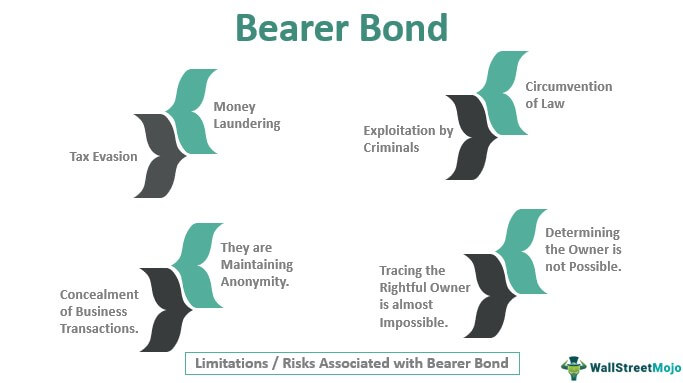
However, the very features that made bearer bonds attractive also contributed to their decline. As global financial regulations tightened in the late 20th and early 21st centuries, bearer bonds came under increasing scrutiny due to their potential for facilitating tax evasion, money laundering, and other illicit activities. The lack of transparency inherent in bearer bonds made them a tool of choice for individuals and organizations seeking to conceal their financial dealings.
Advantages of Bearer Bonds
Despite their negative connotations, bearer bonds do offer certain advantages, primarily centered around anonymity and ease of transfer:
- Anonymity: The primary advantage of bearer bonds is the anonymity they provide. Investors can hold substantial assets without their ownership being publicly recorded, offering a degree of privacy not available with other investment vehicles.
- Ease of Transfer: Bearer bonds can be transferred simply by handing over the physical certificate. This makes them highly liquid and easily transferable, particularly in situations where speed and discretion are paramount.
- Avoidance of Probate: Because ownership is determined by possession, bearer bonds can bypass probate proceedings upon the death of the owner, potentially saving time and money for heirs.
Disadvantages of Bearer Bonds
The disadvantages of bearer bonds largely stem from their anonymity and the potential for misuse:
- Risk of Loss or Theft: Since ownership is based on possession, losing a bearer bond certificate is akin to losing cash. There is no way to recover the asset if it is lost or stolen, as there is no record of ownership.
- Potential for Illicit Use: The anonymity of bearer bonds makes them attractive to individuals and organizations seeking to evade taxes, launder money, or finance illegal activities.
- Regulatory Scrutiny: Due to their potential for misuse, bearer bonds are subject to intense regulatory scrutiny. Many countries have banned or severely restricted their issuance and trading. [See also: International Tax Laws]
- Limited Availability: As a result of regulatory restrictions, bearer bonds are increasingly difficult to find and trade, limiting their usefulness as an investment vehicle.
- Higher Transaction Costs: Due to the increased risk and regulatory burden associated with bearer bonds, transaction costs are often higher compared to registered bonds or other securities.
The Decline of Bearer Bonds
The use of bearer bonds has declined significantly in recent decades due to increased international cooperation in combating financial crime. Governments around the world have implemented stricter regulations aimed at preventing tax evasion, money laundering, and terrorist financing. These regulations have made it more difficult to issue, trade, and hold bearer bonds.
Many countries have either banned bearer bonds outright or imposed strict reporting requirements on their ownership and transfer. The United States, for example, effectively eliminated the issuance of bearer bonds through the Tax Equity and Fiscal Responsibility Act of 1982 (TEFRA). Other countries have followed suit, leading to a dramatic reduction in the availability and use of bearer bonds globally. [See also: TEFRA Act Implications]
Current Status and Regulations
While bearer bonds are still technically legal in some jurisdictions, their use is heavily restricted and regulated. Financial institutions are required to conduct thorough due diligence on customers who deal with bearer bonds, and transactions involving these instruments are often subject to enhanced scrutiny. The goal is to prevent bearer bonds from being used for illicit purposes.
The regulatory landscape surrounding bearer bonds is constantly evolving, with governments and international organizations working to close loopholes and strengthen enforcement. The Financial Action Task Force (FATF), an intergovernmental body that sets standards for combating money laundering and terrorist financing, has issued recommendations on the treatment of bearer bonds, urging countries to take steps to mitigate the risks associated with their use. [See also: FATF Recommendations]
Alternatives to Bearer Bonds
For investors seeking privacy and flexibility, there are alternative investment vehicles that offer similar benefits without the same level of risk and regulatory scrutiny. These alternatives include:
- Offshore Trusts: Offshore trusts can provide a degree of privacy and asset protection, allowing investors to hold assets in a discreet manner.
- Private Investment Funds: Private investment funds, such as hedge funds and private equity funds, can offer a level of anonymity and flexibility not available with publicly traded securities.
- Limited Liability Companies (LLCs): LLCs can be used to hold assets anonymously, providing a layer of separation between the investor and their investments.
However, it is important to note that these alternatives are also subject to regulatory scrutiny and may not provide the same level of anonymity as bearer bonds. Investors should consult with legal and financial professionals to determine the best course of action based on their individual circumstances.
The Future of Bearer Bonds
The future of bearer bonds appears bleak. Given the ongoing efforts to combat financial crime and increase transparency in the global financial system, it is unlikely that bearer bonds will ever regain their former prominence. The risks associated with their use far outweigh the benefits, and governments are likely to continue tightening regulations in an effort to eliminate them altogether.
While bearer bonds may continue to exist in some form, their role in the financial system will likely remain limited. Investors seeking privacy and flexibility will need to explore alternative investment vehicles that comply with current regulations and minimize the risk of illicit use.
Conclusion
The bearer bond definition signifies a financial instrument steeped in history and controversy. While offering anonymity and ease of transfer, the inherent risks and potential for misuse have led to their decline and increased regulatory scrutiny. Understanding the nuances of bearer bonds is essential for navigating the complexities of the modern financial landscape. As governments continue to prioritize transparency and combat financial crime, the future of bearer bonds remains uncertain, with their use likely to be increasingly limited.
The concept of a bearer bond is tied to the idea of ownership by possession. Understanding the bearer bond definition helps people understand the risks and benefits, and why they are not as widely used today. Due to their anonymity, bearer bonds are often associated with illegal activities. The bearer bond definition includes the fact that no record is kept of who owns the bond. The future of bearer bonds is likely to be limited due to increased regulation. The bearer bond definition highlights the differences between it and registered bonds. The bearer bond is a product of a different time, where privacy was more valued than transparency. The bearer bond definition includes the fact that the bond is transferred simply by handing over the physical certificate.
