BMI Visualiser: Understanding Your Body Mass Index with Interactive Tools
In an era where health and wellness are increasingly prioritized, understanding key health metrics becomes essential. One such metric is the Body Mass Index (BMI), a widely used indicator of body fat based on height and weight. While BMI calculations are straightforward, visualizing and interpreting the results can provide a more intuitive understanding of one’s health status. This is where a BMI visualiser comes into play, offering an interactive way to assess and monitor your weight category. This article delves into the functionalities, benefits, and applications of BMI visualisers, providing a comprehensive guide for anyone looking to better understand their health.
What is a BMI Visualiser?
A BMI visualiser is an interactive tool designed to calculate and display your Body Mass Index (BMI) in a graphical or visual format. Unlike traditional BMI calculators that simply provide a numerical value, a BMI visualiser often includes charts, graphs, and color-coded zones to represent different weight categories. This visual representation makes it easier for individuals to understand where they fall on the BMI scale and what that means for their health. The primary goal of a BMI visualiser is to enhance understanding and promote informed decision-making regarding health and lifestyle.
Key Features of a BMI Visualiser
- Interactive Input: Allows users to input their height and weight to calculate BMI.
- Graphical Representation: Displays BMI results on a chart or graph, often with color-coded zones indicating underweight, healthy weight, overweight, and obese categories.
- Personalized Feedback: Provides personalized feedback based on the user’s BMI, including potential health risks and recommendations for lifestyle changes.
- Tracking Progress: Enables users to track their BMI over time, helping them monitor the effectiveness of their weight management efforts.
- Educational Resources: Offers additional information about BMI, its limitations, and related health topics.
How Does a BMI Visualiser Work?
The functionality of a BMI visualiser is based on the standard BMI formula: BMI = weight (kg) / (height (m))^2. Here’s a step-by-step breakdown of how it works:
- Input Data: The user enters their height (in meters or feet/inches) and weight (in kilograms or pounds) into the visualiser.
- Calculation: The visualiser calculates the BMI using the standard formula.
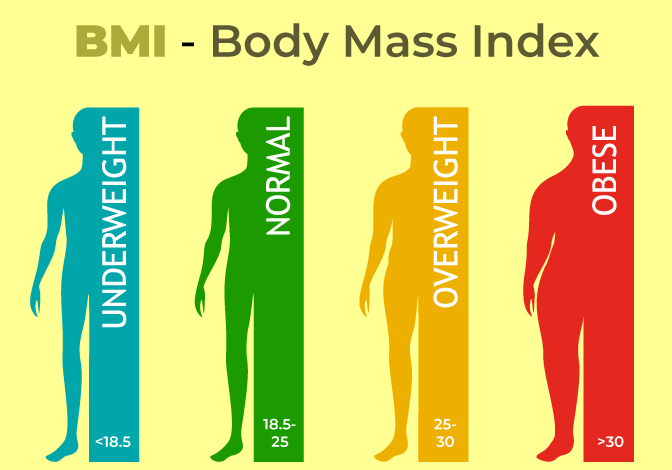
- Visual Display: The calculated BMI is then displayed on a graph or chart. This visual representation often includes color-coded zones to indicate different weight categories:
- Underweight: BMI less than 18.5
- Healthy Weight: BMI between 18.5 and 24.9
- Overweight: BMI between 25 and 29.9
- Obese: BMI 30 or greater
- Feedback: The visualiser provides feedback based on the user’s BMI category, such as advice on healthy eating, exercise, and potential health risks.
Benefits of Using a BMI Visualiser
Using a BMI visualiser offers several advantages over traditional BMI calculators. Here are some key benefits:
Enhanced Understanding
The visual representation of BMI results makes it easier for individuals to understand their health status. Instead of just seeing a numerical value, users can see where they fall on a chart, which can be more impactful and motivating.
Personalized Insights
Many BMI visualisers provide personalized feedback based on the user’s BMI. This feedback can include information about potential health risks, dietary recommendations, and exercise tips tailored to their specific needs.
Motivation for Change
Seeing their BMI on a visual chart can motivate individuals to make positive changes in their lifestyle. The graphical representation can serve as a visual reminder of their health goals and progress.
Tracking Progress
Some BMI visualisers allow users to track their BMI over time. This feature helps individuals monitor the effectiveness of their weight management efforts and make adjustments to their strategies as needed.
Accessibility and Convenience
BMI visualisers are often available online or as mobile apps, making them easily accessible and convenient to use. Users can check their BMI anytime, anywhere, without the need for specialized equipment or professional assistance.
Applications of BMI Visualisers
BMI visualisers have a wide range of applications in various settings:
Personal Health Management
Individuals can use BMI visualisers to monitor their weight and overall health. By regularly checking their BMI, they can identify potential health risks early and take proactive steps to address them.
Healthcare Settings
Healthcare professionals can use BMI visualisers as a tool for assessing patients’ health status and providing personalized recommendations. The visual representation can help patients better understand their health risks and the importance of lifestyle changes.
Fitness and Wellness Programs
Fitness trainers and wellness coaches can use BMI visualisers to track clients’ progress and adjust their training programs accordingly. The visual feedback can help clients stay motivated and achieve their fitness goals.
Public Health Initiatives
Public health organizations can use BMI visualisers as part of their health promotion campaigns. By providing easy-to-use tools for assessing BMI, they can encourage individuals to take responsibility for their health and make informed decisions.
Limitations of BMI
While BMI visualisers are useful tools, it’s important to understand the limitations of BMI as a health indicator. BMI is a simple measure that doesn’t take into account factors such as muscle mass, bone density, and body composition. As a result, it may not be accurate for certain populations, such as athletes, pregnant women, and the elderly.
Muscle Mass
Individuals with a high muscle mass may have a high BMI, even if they have a low percentage of body fat. This can lead to a misclassification of their health status.
Body Composition
BMI doesn’t differentiate between fat and muscle. Two individuals with the same BMI may have different body compositions, with one having more muscle and less fat than the other.
Age and Gender
BMI doesn’t account for age and gender differences in body composition. Older adults tend to have less muscle mass and more body fat than younger adults, while women tend to have more body fat than men.
Ethnicity
Research suggests that the relationship between BMI and body fat may vary across different ethnic groups. Some ethnic groups may be at higher risk of health problems at lower BMI levels than others.
Alternatives to BMI
Given the limitations of BMI, there are alternative measures that can provide a more accurate assessment of body composition and health risk. These include:
- Waist Circumference: Measures the circumference of the waist, which is an indicator of abdominal fat.
- Body Fat Percentage: Measures the percentage of body weight that is fat.
- Waist-to-Hip Ratio: Measures the ratio of waist circumference to hip circumference, which is an indicator of body fat distribution.
- Skinfold Thickness: Measures the thickness of skinfolds at various sites on the body, which can be used to estimate body fat percentage.
Choosing the Right BMI Visualiser
When selecting a BMI visualiser, consider the following factors:
- Accuracy: Ensure that the visualiser uses the standard BMI formula and provides accurate results.
- User-Friendliness: Choose a visualiser that is easy to use and navigate.
- Features: Look for a visualiser that offers additional features, such as personalized feedback, progress tracking, and educational resources.
- Reliability: Select a visualiser from a reputable source to ensure that it is reliable and trustworthy.
- Privacy: Check the visualiser’s privacy policy to ensure that your personal information is protected.
Conclusion
A BMI visualiser is a valuable tool for understanding and monitoring your Body Mass Index. By providing an interactive and visual representation of your BMI, it can enhance your understanding of your health status and motivate you to make positive lifestyle changes. While BMI has limitations, it remains a useful indicator of body fat and can be a helpful starting point for assessing your overall health. Remember to consider other factors, such as muscle mass and body composition, and consult with a healthcare professional for a comprehensive assessment. Using a BMI visualiser can empower you to take control of your health and make informed decisions about your well-being. By leveraging the visual and interactive features of these tools, you can gain a deeper understanding of your body and work towards a healthier future. The availability of numerous online BMI visualiser options makes it easier than ever to monitor and track your progress. Always ensure to use a reliable source for accurate results and consult with healthcare professionals for comprehensive health assessments. [See also: Understanding Body Composition Analysis] [See also: The Role of Exercise in Weight Management]
