BMI Visualiser: Understanding Your Body Mass Index with Interactive Tools
In an age where health awareness is paramount, understanding your Body Mass Index (BMI) is a crucial step towards maintaining a healthy lifestyle. A BMI visualiser is an invaluable tool for gaining insights into your weight status, offering a graphical representation that simplifies the complex calculation of BMI. This article delves into the world of BMI visualisers, exploring their functionality, benefits, and how they contribute to informed health decisions.
What is BMI and Why Does it Matter?
Body Mass Index (BMI) is a simple calculation that uses your height and weight to estimate body fat. It’s a widely used screening tool to identify potential weight problems in adults. While it doesn’t directly measure body fat, BMI correlates well with more direct measures and is a cost-effective and easy-to-perform method. The formula for calculating BMI is weight (in kilograms) divided by height (in meters squared).
Understanding your BMI is important because it provides a starting point for assessing your risk of developing various health conditions associated with being underweight, overweight, or obese. These conditions include heart disease, type 2 diabetes, high blood pressure, certain cancers, and sleep apnea. A BMI visualiser helps to translate this numerical value into an easily understandable context.
The Role of a BMI Visualiser
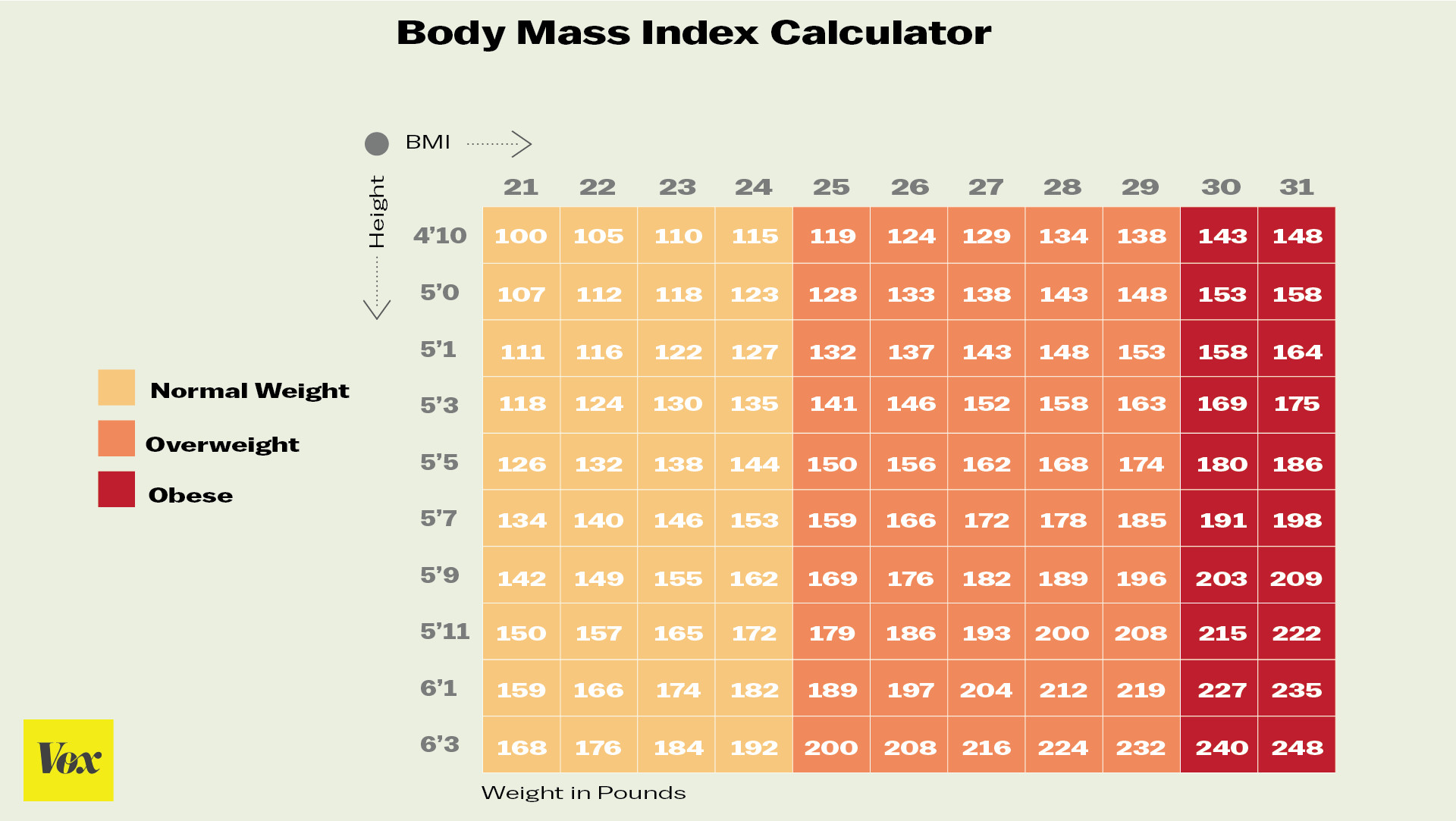
A BMI visualiser takes the calculated BMI value and presents it graphically, typically on a scale or chart. This visual representation allows individuals to quickly see where they fall within the BMI categories defined by the World Health Organization (WHO). These categories are:
- Underweight: BMI less than 18.5
- Normal weight: BMI between 18.5 and 24.9
- Overweight: BMI between 25 and 29.9
- Obese: BMI 30 or greater
By using a BMI visualiser, individuals can instantly understand their weight status without having to interpret the numerical value themselves. This is particularly helpful for those who are not familiar with BMI calculations or find the numbers confusing.
Benefits of Using a BMI Visualiser
There are several key benefits to using a BMI visualiser:
- Easy Understanding: Visual representations are generally easier to understand than raw data. A BMI visualiser simplifies the interpretation of BMI values.
- Motivation: Seeing your BMI on a scale can be a powerful motivator for making positive lifestyle changes. If you are in the overweight or obese category, the visualisation can spur you to adopt healthier eating habits and increase physical activity.
- Goal Setting: A BMI visualiser can help you set realistic weight loss or weight gain goals. By seeing where you currently stand, you can determine how much weight you need to lose or gain to reach a healthier BMI range.
- Tracking Progress: You can use a BMI visualiser to track your progress over time. By regularly entering your weight and height, you can see how your BMI changes and whether you are moving closer to your desired range.
- Accessibility: Many BMI visualisers are available online for free, making them easily accessible to anyone with an internet connection.
Types of BMI Visualisers
BMI visualisers come in various forms, each offering a slightly different user experience:
- Simple Scales: These visualisers typically display a scale with BMI ranges marked. A pointer or indicator shows where your BMI falls on the scale.
- Interactive Charts: Interactive charts allow you to enter your weight and height, and the visualiser automatically calculates your BMI and plots it on the chart. Some charts also provide additional information, such as your ideal weight range.
- Mobile Apps: Many mobile apps offer BMI visualiser functionality, allowing you to track your BMI on the go. These apps often include other health and fitness features, such as calorie trackers and exercise logs.
Choosing the Right BMI Visualiser
When choosing a BMI visualiser, consider the following factors:
- Accuracy: Ensure that the visualiser uses the correct BMI formula and provides accurate results.
- Ease of Use: Choose a visualiser that is easy to navigate and understand. The interface should be intuitive and user-friendly.
- Features: Consider what features are important to you. Do you want a visualiser that simply displays your BMI, or do you want one that also provides additional information and tracking capabilities?
- Credibility: Opt for visualisers from reputable sources, such as healthcare organizations or trusted websites.
Limitations of BMI
While a BMI visualiser is a useful tool, it’s important to understand its limitations. BMI does not take into account factors such as muscle mass, bone density, and overall body composition. As a result, it may not be accurate for certain individuals, such as athletes or bodybuilders who have a high muscle mass.
For example, an athlete may have a BMI in the overweight or obese category, even though they have a low percentage of body fat. This is because muscle is denser than fat, so it weighs more. Similarly, older adults may lose muscle mass and bone density, which can lead to a lower BMI even if they have a high percentage of body fat.
Therefore, it’s important to use BMI as a screening tool and not as a definitive measure of health. If you have concerns about your weight or body composition, consult with a healthcare professional for a more comprehensive assessment. [See also: Understanding Body Composition Analysis]
Beyond the BMI Visualiser: A Holistic Approach to Health
Using a BMI visualiser is a great first step, but it should be part of a broader approach to health and wellness. This includes:
- Healthy Diet: Eating a balanced diet rich in fruits, vegetables, whole grains, and lean protein is essential for maintaining a healthy weight and overall well-being.
- Regular Exercise: Aim for at least 150 minutes of moderate-intensity aerobic exercise or 75 minutes of vigorous-intensity aerobic exercise per week.
- Adequate Sleep: Getting enough sleep is crucial for regulating hormones, boosting immunity, and improving overall health.
- Stress Management: Chronic stress can contribute to weight gain and other health problems. Find healthy ways to manage stress, such as yoga, meditation, or spending time in nature.
- Regular Checkups: See your doctor for regular checkups and screenings to monitor your health and identify any potential problems early on.
The Future of BMI Visualisers
As technology advances, BMI visualisers are likely to become even more sophisticated. Future visualisers may incorporate personalized data, such as age, gender, ethnicity, and activity level, to provide more accurate and tailored assessments. They may also integrate with wearable devices to track activity levels and provide real-time feedback. Furthermore, the user experience may evolve to include gamification and interactive elements to make tracking and understanding health data more engaging and fun.
Conclusion
A BMI visualiser is a valuable tool for understanding your weight status and making informed health decisions. By providing a visual representation of your BMI, it simplifies the interpretation of this important health metric and motivates you to take action. However, it’s important to remember that BMI is just one piece of the puzzle. A holistic approach to health, including a healthy diet, regular exercise, adequate sleep, stress management, and regular checkups, is essential for overall well-being. The BMI visualiser offers a snapshot, a starting point for a much larger journey toward better health. Understanding its limitations and embracing a comprehensive approach will lead to more sustainable and meaningful results.
