CFD or Spread Betting: Which Trading Strategy is Right for You?
Choosing the right trading strategy is crucial for success in the financial markets. Two popular options available to traders are Contracts for Difference (CFDs) and Spread Betting. Both offer leveraged trading, allowing you to control a larger position with a smaller amount of capital. However, they differ significantly in their tax implications, market access, and risk management features. This article provides a comprehensive comparison of CFD or Spread Betting to help you determine which strategy aligns best with your trading goals and risk tolerance.
Understanding CFDs
A Contract for Difference (CFD) is an agreement between two parties (buyer and seller) to exchange the difference in the value of an asset from the time the contract is opened until it’s closed. CFDs allow you to speculate on the price movements of various financial instruments, including stocks, indices, commodities, and currencies, without actually owning the underlying asset.
How CFDs Work
When you trade CFDs, you’re essentially entering into a contract with your broker. If you believe the price of an asset will rise, you buy (go long) a CFD. If you anticipate a price decline, you sell (go short) a CFD. The profit or loss is determined by the difference between the opening and closing prices, multiplied by the number of contracts you hold.
Advantages of CFD Trading
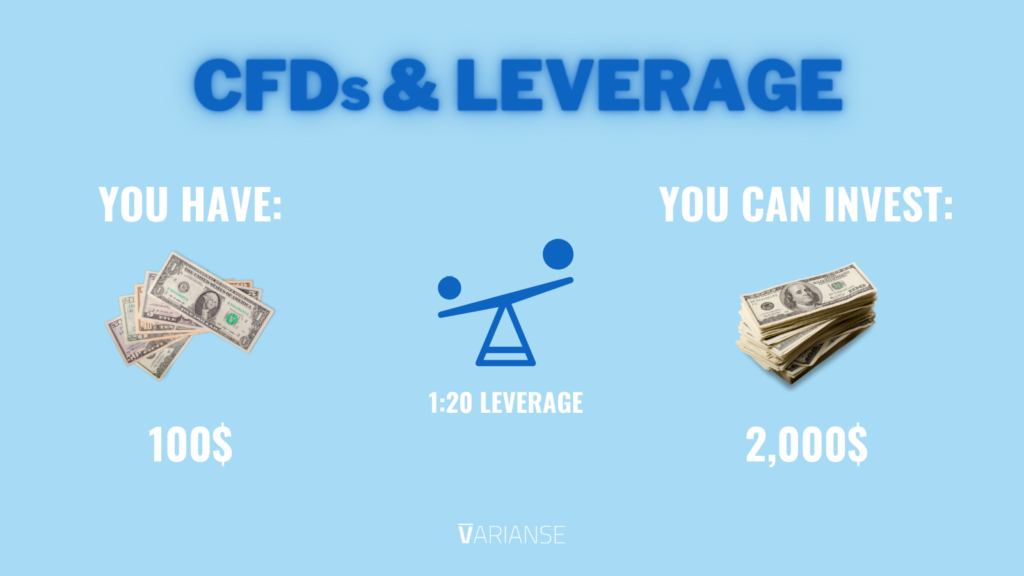
- Leverage: CFDs offer high leverage, allowing you to control a large position with a relatively small deposit (margin). This can amplify both profits and losses.
- Market Access: CFDs provide access to a wide range of global markets, including stocks, indices, commodities, and currencies.
- Short Selling: CFDs make it easy to profit from falling prices by short selling.
- No Stamp Duty: In some jurisdictions, CFD trading is exempt from stamp duty.
Disadvantages of CFD Trading
- Risk of Losses: High leverage can magnify losses, potentially exceeding your initial investment.
- Overnight Funding Charges: Holding CFD positions overnight typically incurs funding charges.
- Complexity: CFD trading can be complex and requires a thorough understanding of the market.
Understanding Spread Betting
Spread betting is a form of speculation where you bet on the direction of price movements in various financial markets. Instead of buying or selling an asset, you place a bet per point of movement. The broker provides a “spread,” which is the difference between the buying (offer) and selling (bid) price.
How Spread Betting Works
When spread betting, you choose an amount per point of movement (e.g., £10 per point). If you believe the price will rise, you “buy” above the spread. If you think it will fall, you “sell” below the spread. Your profit or loss is determined by the number of points the price moves in your favor or against you, multiplied by your stake per point.
Advantages of Spread Betting
- Tax-Free Profits: In the UK and certain other jurisdictions, profits from spread betting are often tax-free. This is a significant advantage for many traders.
- Leverage: Similar to CFDs, spread betting offers high leverage.
- Wide Range of Markets: Spread betting provides access to a variety of financial markets.
- Simplicity: The concept of betting per point can be easier to understand for some traders.
Disadvantages of Spread Betting
- Risk of Losses: High leverage can lead to substantial losses.
- Spread Costs: The spread (the difference between the buy and sell price) can impact profitability, especially for short-term traders.
- Availability: Spread betting is not available in all countries, particularly the United States.
CFD vs. Spread Betting: A Detailed Comparison
Here’s a detailed comparison of CFD or Spread Betting across key factors:
Tax Implications
This is a crucial difference between CFD and spread betting. In the UK and Ireland, profits from spread betting are generally exempt from capital gains tax, while CFD profits are subject to capital gains tax. This tax advantage can significantly impact your net returns. However, tax laws can change, so it’s essential to consult with a tax advisor.
Market Access
Both CFDs and spread betting offer access to a wide range of markets, including stocks, indices, commodities, and currencies. The specific markets available may vary depending on the broker.
Leverage
Both CFDs and spread betting offer high leverage, allowing you to control a large position with a smaller amount of capital. Leverage levels can vary depending on the asset class and the broker’s policies. Understanding and managing leverage is crucial for risk management.
Regulation
Both CFD and spread betting brokers are typically regulated by financial authorities. In the UK, both are regulated by the Financial Conduct Authority (FCA). Regulation provides a level of protection for traders, ensuring that brokers adhere to certain standards of conduct and financial stability.
Costs and Fees
CFD trading typically involves commissions and overnight funding charges. Spread betting incorporates the broker’s fee into the spread itself, and overnight funding charges may also apply. It’s important to compare the costs and fees of different brokers to determine the most cost-effective option for your trading style.
Risk Management
Both CFDs and spread betting require effective risk management strategies. Stop-loss orders and take-profit orders are essential tools for limiting potential losses and securing profits. Understanding the risks associated with leverage is also crucial.
Choosing Between CFD or Spread Betting: Key Considerations
When deciding between CFD or Spread Betting, consider the following factors:
- Tax Situation: If you are in a jurisdiction where spread betting profits are tax-free, this can be a significant advantage.
- Trading Style: Consider your trading frequency and holding periods. Short-term traders may be more sensitive to spread costs, while long-term traders may be more concerned about overnight funding charges.
- Risk Tolerance: Assess your risk tolerance and choose a strategy that aligns with your comfort level.
- Understanding of the Markets: Both CFDs and spread betting require a good understanding of the financial markets.
- Broker Choice: Research and compare different brokers to find one that offers competitive spreads, reliable execution, and a user-friendly platform.
Examples of CFD and Spread Betting Trades
To illustrate the differences, let’s consider a hypothetical trade on a stock with a current price of £100.
CFD Trade Example
You believe the stock price will rise, so you buy 100 CFDs at £100. The stock price increases to £105, and you close your position. Your profit is (105 – 100) * 100 = £500. However, you also need to factor in any commissions and overnight funding charges.
Spread Betting Trade Example
The spread betting broker offers a spread of 99.5 – 100.5. You believe the stock price will rise, so you “buy” at 100.5 at £10 per point. The stock price increases to 105.5, and you close your position. Your profit is (105.5 – 100.5) * £10 = £50. This profit may be tax-free, depending on your jurisdiction.
Conclusion
Both CFD and spread betting offer opportunities to profit from financial markets using leverage. The choice between CFD or Spread Betting depends on your individual circumstances, including your tax situation, trading style, risk tolerance, and understanding of the markets. Carefully consider the advantages and disadvantages of each strategy before making a decision. Remember to always use appropriate risk management techniques to protect your capital. [See also: Risk Management Strategies for CFD Trading] and [See also: Understanding Leverage in Financial Markets]
