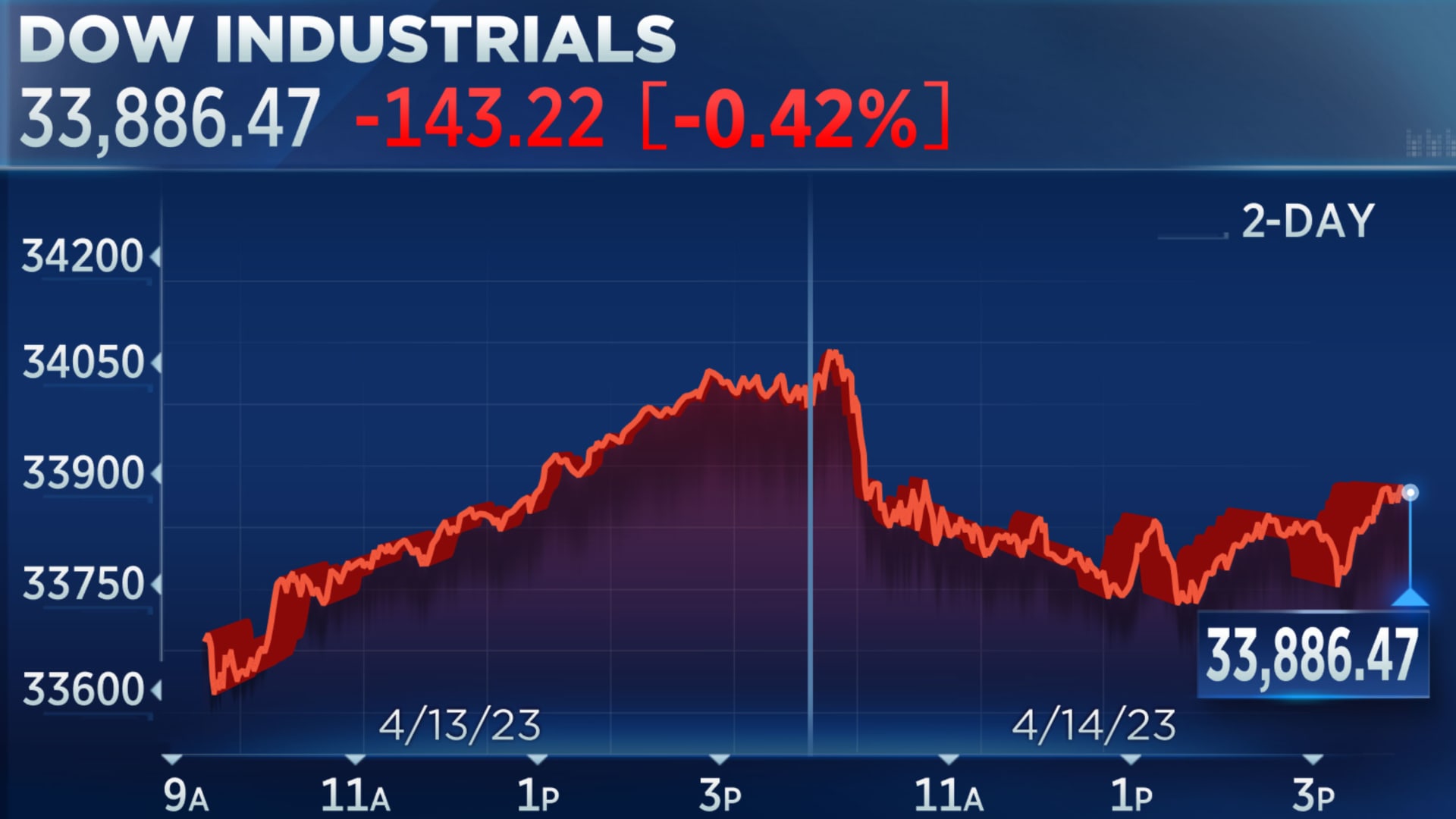
Current Stock Market Analysis: Navigating Uncertainty and Identifying Opportunities
The current stock market landscape is characterized by a complex interplay of factors, creating both challenges and opportunities for investors. A thorough current stock market analysis reveals a dynamic environment shaped by inflation concerns, interest rate hikes, geopolitical tensions, and evolving economic indicators. Understanding these forces is crucial for making informed investment decisions and navigating the prevailing market volatility.
Economic Overview and Influencing Factors
Several key economic indicators are significantly impacting the current stock market analysis. Inflation remains a primary concern, despite recent signs of moderation. Central banks worldwide are grappling with the delicate balance of curbing inflation without triggering a recession. The Federal Reserve’s (Fed) monetary policy, particularly its interest rate decisions, is closely watched by investors. Higher interest rates can dampen economic growth and corporate earnings, potentially leading to stock market corrections. [See also: Understanding Federal Reserve Policy]
Geopolitical risks, including ongoing conflicts and trade tensions, add another layer of uncertainty to the current stock market. These events can disrupt supply chains, increase commodity prices, and erode investor confidence. Furthermore, fluctuating energy prices, driven by both supply and demand factors, contribute to market volatility.
Sector Performance and Trends
Analyzing sector performance provides valuable insights into the current stock market analysis. Certain sectors, such as energy, may benefit from rising commodity prices, while others, like consumer discretionary, may struggle due to inflationary pressures and reduced consumer spending. Technology stocks, which have been market leaders in recent years, are facing increased scrutiny amid concerns about valuations and regulatory headwinds. Healthcare and utilities often perform relatively well during economic downturns due to their defensive characteristics. [See also: Investing in Healthcare Stocks]
- Technology: Facing valuation concerns and regulatory scrutiny.
- Energy: Benefiting from rising commodity prices.
- Consumer Discretionary: Struggling due to inflation and reduced spending.
- Healthcare: Showing resilience in the face of economic uncertainty.
- Utilities: Providing stability during market volatility.
Key Indicators and Metrics for Stock Market Assessment
A comprehensive current stock market analysis requires monitoring various key indicators and metrics. These include:
- Inflation Rate: Measures the rate at which the general level of prices for goods and services is rising.
- Interest Rates: Influenced by central bank policies and impact borrowing costs for businesses and consumers.
- Gross Domestic Product (GDP): A measure of a country’s economic output.
- Unemployment Rate: Indicates the health of the labor market.
- Earnings Reports: Provide insights into corporate profitability.
- Price-to-Earnings (P/E) Ratio: A valuation metric that compares a company’s stock price to its earnings per share.
- Volatility Index (VIX): Measures market expectations of volatility over the next 30 days.
By tracking these indicators, investors can gain a better understanding of the overall market conditions and potential risks and opportunities. Analyzing earnings reports is a critical component of current stock market analysis, as they provide insights into the financial performance of individual companies and the broader economy.
Investment Strategies in the Current Market Environment
Given the uncertainty surrounding the current stock market, investors should consider adopting a diversified investment strategy. Diversification involves spreading investments across different asset classes, sectors, and geographic regions to reduce risk. [See also: Building a Diversified Portfolio]
Value investing, which focuses on identifying undervalued stocks, may be a suitable approach in the current market. Value investors seek companies with strong fundamentals trading at a discount to their intrinsic value. Another strategy is dividend investing, which involves investing in companies that pay regular dividends. Dividend stocks can provide a steady stream of income and may offer some protection during market downturns.
Active management, which involves actively buying and selling stocks to outperform the market, may also be considered. However, active management requires significant research and expertise. Passive investing, which involves tracking a market index, is a simpler and often more cost-effective approach.
Risk Management and Mitigation
Effective risk management is essential in the current stock market. Investors should carefully assess their risk tolerance and set appropriate investment goals. Stop-loss orders can be used to limit potential losses on individual stocks. Dollar-cost averaging, which involves investing a fixed amount of money at regular intervals, can help to mitigate the impact of market volatility.
It is crucial to stay informed about market developments and adjust investment strategies as needed. Consulting with a financial advisor can provide valuable guidance and support.
Future Outlook and Potential Scenarios
The future outlook for the current stock market remains uncertain. Several potential scenarios could play out in the coming months. A soft landing, in which inflation is brought under control without triggering a recession, is a favorable outcome. However, a recession, characterized by a significant decline in economic activity, is also a possibility. A stagflation scenario, in which inflation remains high while economic growth stagnates, would present significant challenges for investors.
Technological advancements, such as artificial intelligence (AI) and automation, are expected to continue to disrupt various industries and impact the stock market. Companies that embrace these technologies may experience significant growth, while those that fail to adapt may face challenges. [See also: Investing in AI Companies]
The current stock market analysis highlights the importance of staying informed, diversifying investments, and managing risk effectively. By understanding the key economic drivers and market trends, investors can navigate the prevailing uncertainty and identify opportunities for long-term growth. A careful and considered approach to investment is vital in this dynamic environment. This current stock market analysis should be used as a starting point for further research and consultation with financial professionals.
The current stock market presents both challenges and opportunities. A thorough understanding of the economic landscape, sector performance, and key market indicators is crucial for making informed investment decisions. This current stock market analysis emphasizes the need for diversification, risk management, and a long-term perspective.
In conclusion, this current stock market analysis underscores the importance of a proactive and informed approach to investing. By carefully monitoring market developments and adapting investment strategies as needed, investors can navigate the current environment and position themselves for future success. This current stock market analysis aims to provide a comprehensive overview of the current market conditions and potential investment strategies.
