Decoding Duty Free: What You Need to Know About Tax-Free Shopping
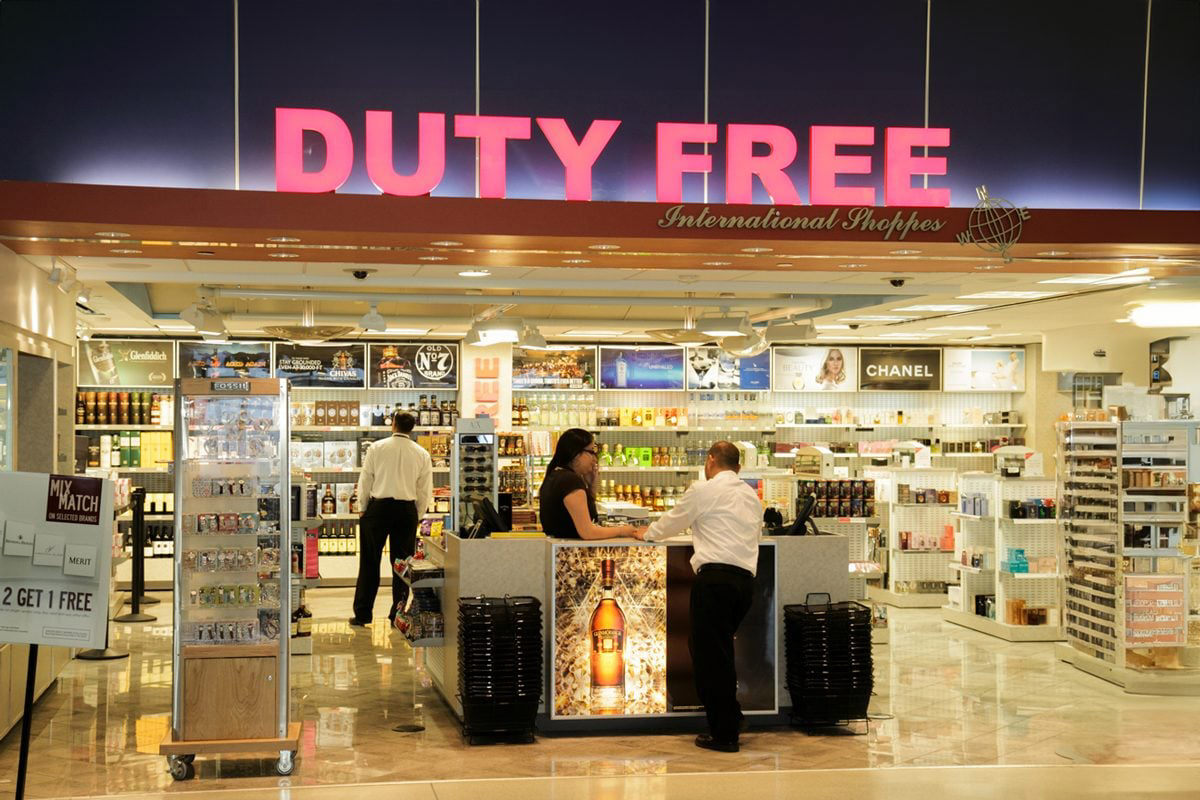
Ever walked through an airport and seen those alluring duty free shops, promising significant savings on luxury goods, alcohol, and tobacco? The concept seems straightforward, but understanding exactly what duty free entails, who can benefit, and the limitations involved is crucial before you start filling your shopping basket. This article breaks down everything you need to know about duty free shopping, from its origins to its modern-day implications for travelers.
The Origins and Evolution of Duty Free
The idea of duty free shopping dates back to the mid-20th century. Shannon Airport in Ireland is often credited with pioneering the concept in 1947 as a way to offer goods to transatlantic passengers who wouldn’t otherwise be subject to Irish taxes. The concept quickly spread globally, becoming a staple of international airports and border crossings.
Initially, duty free was a genuine advantage for international travelers, offering substantial savings on items subject to high taxes in their home countries. However, the landscape has evolved. Today, the savings aren’t always as significant, and it’s important to compare prices carefully before making a purchase. Factors like currency exchange rates, local taxes, and retail markups can all influence the final price.
How Duty Free Works
The basic principle behind duty free is the exemption from certain taxes and duties, such as excise taxes, sales taxes, and value-added tax (VAT). These taxes are typically levied on goods sold within a specific country or region. When you purchase an item duty free, you’re essentially buying it without these taxes included in the price.
To be eligible for duty free shopping, you usually need to be traveling internationally. This means you’re either departing from a country or arriving in a country and passing through customs. The exact rules and regulations vary depending on the country and the specific airport or border crossing.
Who Can Shop Duty Free?
Generally, anyone traveling internationally can shop duty free. However, there are specific requirements and limitations to keep in mind:
- Travel Documents: You’ll typically need to present your passport and boarding pass to prove that you’re traveling internationally.
- Destination: Some duty free shops may have restrictions based on your destination. For example, if you’re traveling within the European Union, you may not be eligible for duty free purchases on certain items.
- Customs Regulations: Upon arrival in your destination country, you’ll still be subject to customs regulations. This means you may need to declare your duty free purchases and pay duties or taxes if you exceed the allowed limits.
What Products Are Typically Available Duty Free?
Duty free shops typically offer a range of products, including:
- Alcohol: Spirits, wine, and beer are common duty free purchases, especially in countries with high alcohol taxes.
- Tobacco: Cigarettes, cigars, and other tobacco products are also frequently sold duty free.
- Perfume and Cosmetics: Luxury perfumes, makeup, and skincare products are popular choices.
- Luxury Goods: Designer handbags, watches, jewelry, and clothing can sometimes be found at duty free shops.
- Confectionery: Chocolate, candies, and other sweets are often available.
- Souvenirs: Regionally specific souvenirs are often sold, although these may not always represent substantial savings.
The Pros and Cons of Duty Free Shopping
Pros:
- Potential Savings: You can potentially save money on items that are subject to high taxes in your home country.
- Convenience: Duty free shops are conveniently located in airports and border crossings, making it easy to shop while you travel.
- Exclusive Products: Some duty free shops may offer exclusive products or limited-edition items that aren’t available elsewhere.
Cons:
- Not Always Cheaper: Prices aren’t always lower than retail prices elsewhere, especially after currency conversions and local promotions are considered.
- Customs Limits: You may be subject to customs duties and taxes upon arrival in your destination country if you exceed the allowed limits.
- Impulse Purchases: The allure of duty free can lead to impulse purchases that you may later regret.
- Limited Selection: The selection of products at duty free shops may be limited compared to regular retail stores.
Tips for Smart Duty Free Shopping
To make the most of your duty free shopping experience, consider these tips:
- Do Your Research: Before you travel, research the prices of items you’re interested in buying at home and compare them to the prices at duty free shops.
- Check Currency Exchange Rates: Be aware of the current currency exchange rates to accurately assess the true cost of your purchases.
- Know Your Customs Limits: Familiarize yourself with the customs regulations and allowances for your destination country to avoid paying duties and taxes.
- Compare Prices: Don’t assume that duty free is always the cheapest option. Compare prices at different duty free shops and with online retailers.
- Factor in Convenience: Consider the convenience of duty free shopping, but don’t let it cloud your judgment. If you can find the same item cheaper elsewhere, it may be worth the extra effort to purchase it before or after your trip.
- Be Mindful of Liquids: Be aware of restrictions on liquids in carry-on baggage. If you purchase liquids at a duty free shop, they will typically be sealed in a tamper-evident bag.
Duty Free Allowances: Navigating Customs Regulations
Understanding duty free allowances is crucial to avoid unexpected taxes and potential hassles at customs. These allowances specify the quantity and value of goods you can bring into a country without paying duties or taxes. Allowances vary significantly between countries, so it’s essential to check the specific regulations of your destination before you travel. [See also: International Customs Regulations]
Key considerations for duty free allowances include:
- Alcohol and Tobacco: These are often subject to strict limits, typically specified in liters or number of items. Exceeding these limits can result in significant duties.
- Other Goods: There’s usually a monetary limit on the total value of other goods you can bring in duty free.
- Combined Allowances: Some countries have combined allowances for certain categories of goods, so exceeding the limit in one category might affect your allowance in another.
- Declaration: Always declare any items exceeding the duty free allowance to customs officials. Failure to do so can result in fines or confiscation of goods.
The Future of Duty Free
The duty free industry is constantly evolving to meet the changing needs of travelers. Online duty free shopping is becoming increasingly popular, allowing travelers to browse and purchase items before their trip and pick them up at the airport. [See also: Online Duty Free Shopping Trends]
Furthermore, some airports are experimenting with new technologies, such as virtual reality and augmented reality, to enhance the duty free shopping experience. As travel patterns and consumer preferences continue to shift, the duty free industry will likely adapt and innovate to remain a relevant and appealing option for international travelers.
Conclusion
Duty free shopping can offer potential savings and convenience for international travelers, but it’s important to approach it with a critical eye. By understanding how duty free works, knowing your customs limits, and comparing prices carefully, you can make informed decisions and avoid any unpleasant surprises. So, the next time you’re passing through an airport, take a moment to assess whether duty free shopping is truly the best option for you.
