Decoding Forex Trading Signals: A Comprehensive Guide for Traders
Navigating the complex world of Forex (Foreign Exchange) trading can be daunting, especially for newcomers. With fluctuating markets and a multitude of factors influencing currency values, making informed trading decisions requires expertise and constant vigilance. This is where forex trading signals come into play. These signals offer potential shortcuts, providing traders with actionable insights that can inform their strategies and potentially improve profitability. However, understanding what forex trading signals are, how they work, and their limitations is crucial before relying on them. This guide aims to provide a comprehensive overview of forex trading signals, empowering traders with the knowledge to use them effectively and responsibly.
What are Forex Trading Signals?
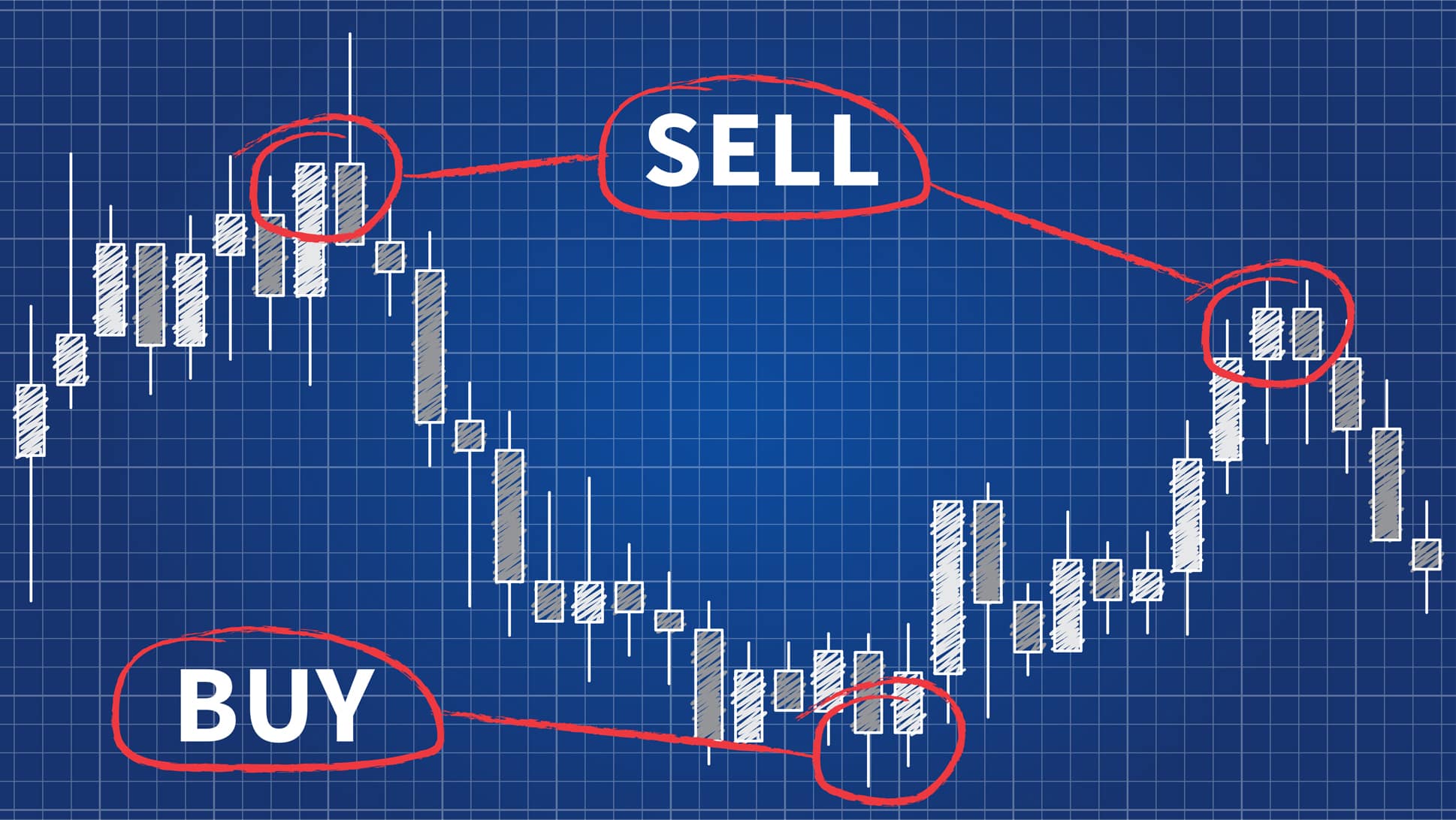
Forex trading signals are essentially suggestions or recommendations for executing trades on currency pairs. These signals typically include information such as:
- Currency Pair: The specific currency pair the signal pertains to (e.g., EUR/USD, GBP/JPY).
- Direction: Whether to buy (go long) or sell (go short) the currency pair.
- Entry Price: The suggested price at which to enter the trade.
- Take Profit Level: The target price at which to close the trade for a profit.
- Stop Loss Level: The price at which to close the trade to limit potential losses.
Forex trading signals can be generated through various methods, including:
- Technical Analysis: Analyzing price charts, patterns, and technical indicators to identify potential trading opportunities.
- Fundamental Analysis: Evaluating economic news, political events, and other macroeconomic factors that could influence currency values.
- Algorithmic Trading: Using computer programs and algorithms to automatically generate signals based on pre-defined criteria.
- Professional Traders/Analysts: Subscribing to services that provide signals generated by experienced traders or analysts.
How Forex Trading Signals Work
The process of using forex trading signals typically involves the following steps:
- Signal Generation: A signal provider (either automated or human) analyzes the market and generates a signal based on their chosen methodology.
- Signal Dissemination: The signal is then disseminated to subscribers or users through various channels, such as email, SMS, or dedicated platforms.
- Signal Evaluation: Traders receive the signal and evaluate its suitability based on their own trading strategy, risk tolerance, and market analysis.
- Trade Execution: If the trader deems the signal appropriate, they execute the trade on their trading platform, setting the entry price, take profit level, and stop loss level as suggested by the signal.
- Trade Monitoring: The trader monitors the trade’s performance and adjusts the take profit and stop loss levels as needed, based on market conditions and their trading strategy.
Sources of Forex Trading Signals
There are numerous sources of forex trading signals available, each with its own advantages and disadvantages. Some common sources include:
- Signal Providers: Companies or individuals that specialize in generating and providing forex trading signals for a fee. These providers often offer different subscription levels with varying levels of accuracy and service.
- Brokers: Some Forex brokers offer forex trading signals as part of their service package. These signals may be generated by the broker’s in-house analysts or through partnerships with third-party providers.
- Automated Trading Systems (Expert Advisors): These are software programs that can automatically generate and execute trades based on pre-defined rules and algorithms. While not strictly forex trading signals, they can be used to automate the trading process based on specific signal criteria.
- Online Forums and Communities: Various online forums and communities dedicated to Forex trading often feature traders sharing their own signals and analysis. However, it’s crucial to exercise caution when relying on signals from unverified sources.
- Financial News and Analysis Websites: Many financial news and analysis websites provide market commentary and trading ideas that can be used as forex trading signals. However, these are often general recommendations and may not be as specific as dedicated signal services.
Evaluating the Reliability of Forex Trading Signals
Not all forex trading signals are created equal. It’s essential to evaluate the reliability of a signal provider before relying on their recommendations. Here are some factors to consider:
- Track Record: A reputable signal provider should have a verifiable track record of past performance, including win rate, average profit per trade, and drawdown. Be wary of providers that promise unrealistic returns or lack transparency in their performance data.
- Methodology: Understand the methodology used to generate the signals. Is it based on technical analysis, fundamental analysis, or a combination of both? Does the provider clearly explain their trading strategy and risk management techniques?
- Transparency: A reliable provider should be transparent about their signal generation process and willing to answer questions about their methodology and performance.
- Reviews and Reputation: Research the provider’s reputation online by reading reviews and testimonials from other traders. Look for independent reviews and be cautious of providers with overwhelmingly positive or negative feedback.
- Cost: Consider the cost of the signal service and whether it aligns with the value you receive. Be wary of providers that charge exorbitant fees without providing sufficient justification.
- Risk Management: A good signal provider should emphasize risk management and provide clear stop loss levels for each signal. They should also advise traders to use appropriate position sizing to limit potential losses.
Benefits of Using Forex Trading Signals
When used judiciously, forex trading signals can offer several benefits to Forex traders:
- Time Savings: Signals can save traders time by providing ready-made trading ideas, eliminating the need for extensive market analysis.
- Improved Decision-Making: Signals can provide traders with valuable insights and perspectives, helping them make more informed trading decisions.
- Learning Opportunities: By analyzing the signals and comparing them to their own analysis, traders can learn new trading strategies and improve their understanding of the market.
- Potential Profitability: If the signals are accurate and the trader manages risk effectively, forex trading signals can potentially lead to increased profitability.
- Access to Expertise: Signals can provide access to the expertise of experienced traders or analysts, especially for those who are new to Forex trading.
Risks of Using Forex Trading Signals
It’s important to be aware of the risks associated with using forex trading signals:
- No Guarantee of Profit: Even the best forex trading signals are not guaranteed to be profitable. Market conditions can change rapidly, and even well-researched signals can result in losses.
- Potential for Scams: The Forex market is rife with scams, and many signal providers are simply trying to take advantage of inexperienced traders. Be wary of providers that promise unrealistic returns or pressure you into subscribing.
- Over-Reliance: Relying solely on forex trading signals without conducting your own analysis can lead to a lack of understanding of the market and poor trading habits.
- Emotional Trading: Following signals blindly can lead to emotional trading, as traders may be tempted to chase losses or deviate from their trading plan.
- Cost: The cost of subscribing to a signal service can eat into profits, especially if the signals are not consistently accurate.
Tips for Using Forex Trading Signals Effectively
To use forex trading signals effectively, consider the following tips:
- Do Your Own Research: Don’t blindly follow signals without conducting your own analysis. Verify the signal’s rationale and ensure it aligns with your own trading strategy.
- Manage Risk: Always use appropriate stop loss levels and position sizing to limit potential losses. Don’t risk more than you can afford to lose on any single trade.
- Start Small: Begin by trading small amounts to test the signal provider’s accuracy and your own ability to manage risk.
- Diversify: Don’t rely on a single signal provider. Diversify your sources of information and trading ideas to reduce risk.
- Track Your Results: Keep a record of your trades and track the performance of the signals you are using. This will help you identify profitable strategies and weed out ineffective providers.
- Stay Informed: Keep up-to-date with market news and events that could impact currency values. This will help you make more informed trading decisions and evaluate the signals you receive.
- Use Signals as a Tool, Not a Crutch: Forex trading signals should be used as a tool to supplement your own analysis, not as a replacement for it.
Conclusion
Forex trading signals can be a valuable tool for traders, providing potential time savings, improved decision-making, and access to expertise. However, it’s crucial to approach them with caution and to evaluate their reliability before relying on them. By understanding the benefits and risks of using forex trading signals, and by following the tips outlined in this guide, traders can increase their chances of success in the Forex market. Remember that no signal is foolproof, and effective risk management is essential for protecting your capital. Always prioritize your own research and analysis and use forex trading signals as one component of a comprehensive trading strategy. [See also: Forex Trading Strategies for Beginners] [See also: Understanding Forex Market Volatility]
