Decoding Forex Trading Signals: A Comprehensive Guide for Traders
In the fast-paced world of foreign exchange (forex) trading, making informed decisions quickly is crucial. Forex trading signals have emerged as a popular tool for both novice and experienced traders, offering potential insights and guidance in navigating the complexities of the market. But what exactly are forex trading signals, how do they work, and are they a reliable path to profitability? This comprehensive guide will delve into the intricacies of forex trading signals, exploring their benefits, risks, and how to effectively utilize them in your trading strategy.
Understanding Forex Trading Signals
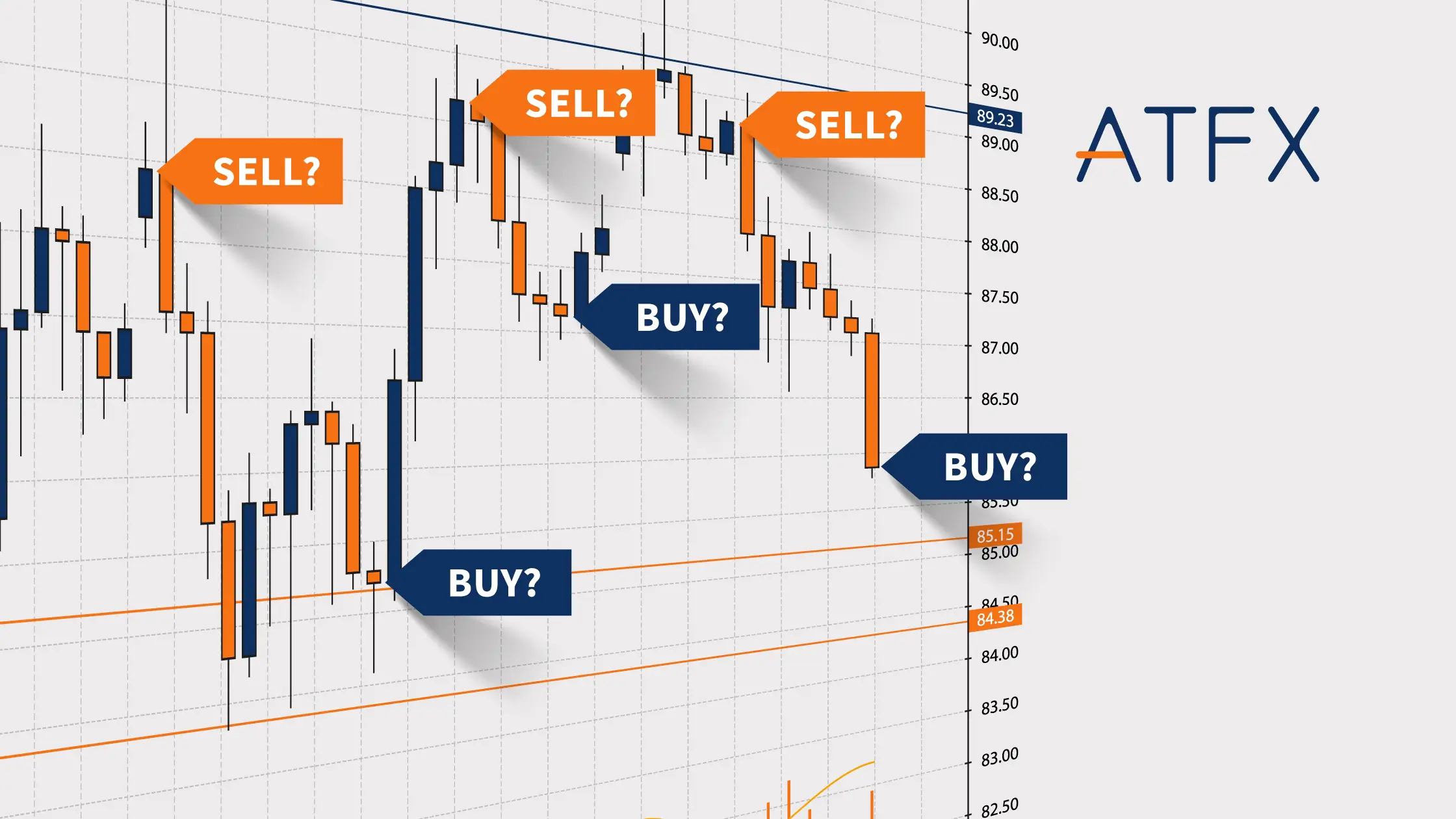
At their core, forex trading signals are essentially suggestions or recommendations for executing trades in the forex market. These signals typically include crucial information such as:
- Currency Pair: The specific currency pair the signal pertains to (e.g., EUR/USD, GBP/JPY).
- Direction: Whether to buy (go long) or sell (go short) the currency pair.
- Entry Price: The recommended price at which to enter the trade.
- Stop Loss: The price level at which to exit the trade to limit potential losses.
- Take Profit: The price level at which to exit the trade to secure profits.
These signals can be generated through various methods, ranging from manual analysis by experienced traders to automated algorithms and software programs. The underlying principle is to identify potential trading opportunities based on technical analysis, fundamental analysis, or a combination of both.
Sources of Forex Trading Signals
Forex trading signals are available from a multitude of sources, each with its own methodology and level of reliability. Some common sources include:
- Professional Traders: Individual traders or firms that offer signals based on their own market analysis and trading expertise.
- Signal Providers: Companies that specialize in generating and distributing forex trading signals, often through subscription services.
- Automated Trading Systems (Expert Advisors): Software programs that automatically generate signals based on pre-defined algorithms and technical indicators.
- Financial News and Analysis Websites: Some websites provide trading signals as part of their market analysis and commentary.
- Social Trading Platforms: Platforms that allow traders to copy the trades of other successful traders, effectively using their trades as signals.
The Pros and Cons of Using Forex Trading Signals
Like any trading tool, forex trading signals have both advantages and disadvantages. Understanding these pros and cons is essential before incorporating them into your trading strategy.
Advantages:
- Time-Saving: Signals can save traders significant time by providing ready-made trading ideas without requiring extensive market analysis.
- Learning Opportunity: By observing the signals and their outcomes, traders can learn about different trading strategies and market dynamics.
- Potential Profitability: If the signals are accurate and well-executed, they can lead to profitable trades.
- Accessibility: Forex trading signals are readily available to traders of all experience levels.
- Emotional Detachment: Utilizing signals can help remove emotional biases from trading decisions.
Disadvantages:
- Risk of Scams: The forex market is rife with fraudulent signal providers who promise unrealistic returns.
- Lack of Control: Relying solely on signals can limit a trader’s control over their own trading decisions.
- Dependence: Over-reliance on signals can hinder the development of independent trading skills.
- No Guarantee of Profit: Even the best signals are not guaranteed to be profitable, as market conditions can change rapidly.
- Cost: Many reputable signal providers charge subscription fees, which can eat into profits.
Evaluating the Reliability of Forex Trading Signals
Given the potential risks associated with forex trading signals, it’s crucial to carefully evaluate their reliability before committing any capital. Here are some key factors to consider:
- Track Record: Review the signal provider’s historical performance, including win rate, profit factor, and drawdown. Be wary of providers who only showcase their winning trades.
- Transparency: A reputable provider should be transparent about their trading methodology and the factors they consider when generating signals.
- Reviews and Testimonials: Research online reviews and testimonials from other traders to gauge the provider’s reputation.
- Risk Management: Ensure the signals include clear stop-loss and take-profit levels to manage risk effectively.
- Cost: Compare the cost of the signals to the potential returns. Ensure the subscription fee is reasonable and justified by the signal’s performance.
- Trial Period: Opt for a provider that offers a free trial period or a money-back guarantee to test the signals before committing to a long-term subscription.
Integrating Forex Trading Signals into Your Trading Strategy
Forex trading signals should not be used as a replacement for your own trading knowledge and analysis. Instead, they should be integrated into your existing trading strategy as a supplementary tool. Here’s how to effectively incorporate signals into your trading process:
- Filter Signals: Don’t blindly follow every signal you receive. Filter signals based on your own market analysis and trading strategy.
- Confirm Signals: Use your own technical and fundamental analysis to confirm the validity of the signals. Look for confluence with your own trading ideas.
- Manage Risk: Always use appropriate risk management techniques, such as setting stop-loss orders and managing your position size.
- Monitor Performance: Track the performance of the signals and adjust your strategy accordingly. Discontinue using signals that consistently underperform.
- Continuous Learning: Use the signals as a learning opportunity to improve your own trading skills and knowledge.
Common Forex Trading Signal Strategies
Many different strategies are used to generate forex trading signals. Here are a few of the most common:
- Technical Analysis Signals: Based on chart patterns, technical indicators (e.g., Moving Averages, RSI, MACD), and price action. These signals aim to identify potential entry and exit points based on historical price data.
- Fundamental Analysis Signals: Derived from economic news releases, political events, and other macroeconomic factors that can influence currency values. These signals often involve anticipating market reactions to significant news events.
- Breakout Signals: Generated when the price of a currency pair breaks through a significant support or resistance level. These signals aim to capitalize on the momentum following a breakout.
- Carry Trade Signals: Based on the interest rate differential between two currencies. These signals involve buying a currency with a high interest rate and selling a currency with a low interest rate.
- Sentiment Analysis Signals: Derived from market sentiment indicators, such as the Commitment of Traders (COT) report, which provides insights into the positions held by institutional investors.
Avoiding Forex Trading Signal Scams
The forex market attracts its fair share of scams, and forex trading signals are no exception. Here are some red flags to watch out for:
- Guaranteed Profits: Any signal provider that guarantees profits is likely a scam. No trading strategy can guarantee profits in the volatile forex market.
- Unrealistic Claims: Be wary of providers who promise excessively high returns or claim to have a secret formula for success.
- Pressure Tactics: Scammers often use pressure tactics to persuade traders to sign up quickly.
- Lack of Transparency: Avoid providers who are not transparent about their trading methodology or who refuse to provide verifiable track records.
- Unsolicited Offers: Be cautious of unsolicited offers for forex trading signals, especially those received via email or social media.
The Future of Forex Trading Signals
As technology continues to evolve, forex trading signals are likely to become even more sophisticated and accessible. Artificial intelligence (AI) and machine learning (ML) are already being used to develop more advanced signal generation algorithms that can adapt to changing market conditions. The rise of social trading platforms will also likely lead to increased transparency and accountability among signal providers. However, it’s important to remember that no matter how advanced the technology becomes, forex trading signals should always be used as a tool to enhance, not replace, your own trading skills and judgment. [See also: Forex Trading Strategies for Beginners] [See also: Risk Management in Forex Trading]
Conclusion
Forex trading signals can be a valuable tool for traders of all experience levels, providing potential trading opportunities and saving time on market analysis. However, it’s crucial to approach signals with caution, carefully evaluate their reliability, and integrate them into your trading strategy in a responsible manner. By understanding the benefits, risks, and best practices associated with forex trading signals, you can increase your chances of success in the dynamic world of forex trading. Remember that forex trading signals are only as good as the strategy and risk management that support them. Always prioritize education and continuous learning to become a more informed and successful trader. The world of forex trading signals offers potential, but only when approached with knowledge and diligence.
