Decoding Market Expectation Tomorrow: A Comprehensive Analysis
Navigating the complexities of financial markets requires a keen understanding of present conditions and, more importantly, a robust anticipation of future trends. Understanding market expectation tomorrow involves analyzing a confluence of economic indicators, geopolitical events, and investor sentiment. This article delves into the key factors shaping market expectation tomorrow, providing a comprehensive overview for investors, analysts, and anyone seeking to understand the forces driving market dynamics. We will explore the various elements contributing to market expectation tomorrow, offering insights into potential opportunities and risks.
Key Economic Indicators Shaping Market Expectation
Economic indicators serve as vital barometers of a nation’s financial health. Tracking these metrics provides valuable insights into the potential direction of the market. Some of the most crucial indicators include:
- Gross Domestic Product (GDP): A measure of the total value of goods and services produced within a country. Strong GDP growth typically signals a healthy economy and positive market expectation tomorrow, while a contraction may indicate a recession and bearish sentiment.
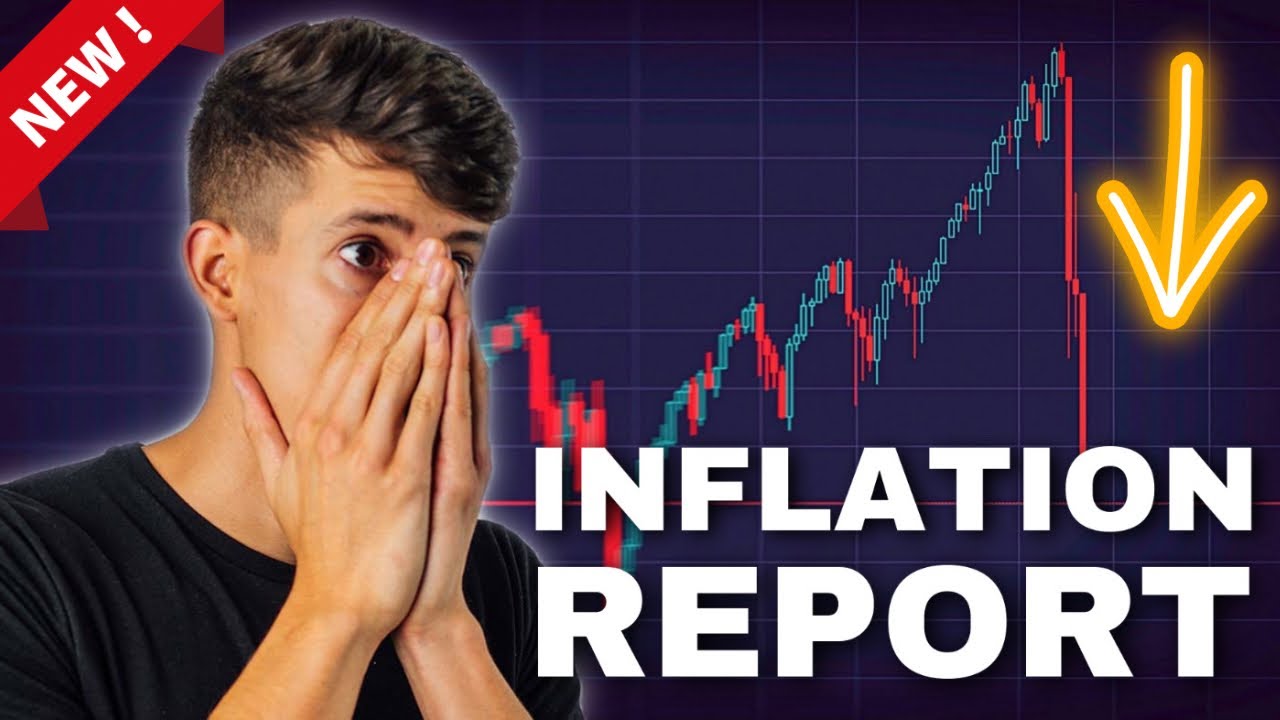
- Inflation Rate: The rate at which the general level of prices for goods and services is rising, and subsequently, purchasing power is falling. High inflation can erode corporate profits and consumer spending, impacting market expectation tomorrow negatively. Central banks often respond to rising inflation by raising interest rates.
- Unemployment Rate: The percentage of the labor force that is unemployed. A low unemployment rate generally indicates a strong economy and optimistic market expectation tomorrow. However, very low unemployment can also lead to wage inflation.
- Consumer Confidence Index (CCI): A survey-based measure of how optimistic consumers are about the state of the economy. High consumer confidence typically translates into increased spending and a positive market expectation tomorrow.
- Purchasing Managers’ Index (PMI): An indicator of the prevailing direction of economic trends in the manufacturing and service sectors. A PMI above 50 indicates expansion, while a PMI below 50 signals contraction. Changes in PMI directly impact market expectation tomorrow.
By closely monitoring these indicators, investors can gain a better understanding of the underlying economic forces that are likely to influence market expectation tomorrow. [See also: Understanding Economic Indicators for Investing]
Geopolitical Events and Their Impact on Market Expectation
Geopolitical events, ranging from political instability to trade wars, can significantly impact global markets. These events often introduce uncertainty and volatility, leading to shifts in market expectation tomorrow. Consider the following:
- Political Instability: Political turmoil in a major economy or region can trigger a flight to safety, causing investors to move their capital to less risky assets. This can negatively affect market expectation tomorrow for the affected region.
- Trade Wars: Trade disputes between countries can disrupt global supply chains, leading to higher costs and reduced economic growth. These tensions can create uncertainty and negatively impact market expectation tomorrow.
- International Relations: Shifts in diplomatic relations between countries can have far-reaching economic consequences. Positive developments can boost market expectation tomorrow, while negative developments can dampen it.
- Regulatory Changes: New regulations, especially those related to finance or trade, can dramatically reshape market expectation tomorrow by altering the playing field for businesses.
Staying informed about geopolitical developments and their potential economic consequences is crucial for accurately gauging market expectation tomorrow. [See also: Geopolitical Risk and Investment Strategies]
Investor Sentiment and Market Psychology
Investor sentiment, often driven by emotions such as fear and greed, can play a significant role in shaping market expectation tomorrow. Understanding market psychology is essential for making informed investment decisions.
- Fear and Greed: These two emotions often drive market cycles. During periods of optimism (greed), investors tend to be more willing to take risks, driving up asset prices. Conversely, during periods of fear, investors tend to become risk-averse, leading to sell-offs and lower prices.
- Herd Mentality: The tendency for investors to follow the crowd, often without conducting independent analysis. This can lead to bubbles and crashes, significantly impacting market expectation tomorrow.
- News and Media: Media coverage can significantly influence investor sentiment. Positive news can boost market expectation tomorrow, while negative news can trigger sell-offs.
- Social Media: The rise of social media has amplified the speed and reach of information, further influencing investor sentiment and market expectation tomorrow.
Analyzing investor sentiment through surveys, market indicators, and social media analysis can provide valuable insights into market expectation tomorrow. [See also: The Psychology of Investing]
Central Bank Policies and Interest Rates
Central banks play a crucial role in managing inflation and promoting economic growth. Their policies, particularly those related to interest rates, have a significant impact on market expectation tomorrow.
- Interest Rate Hikes: Raising interest rates can help to curb inflation but can also slow down economic growth. This can lead to a more cautious market expectation tomorrow.
- Interest Rate Cuts: Lowering interest rates can stimulate economic growth but can also lead to higher inflation. This can result in a more optimistic market expectation tomorrow.
- Quantitative Easing (QE): A monetary policy where a central bank purchases government securities or other assets from the market in order to lower interest rates and increase the money supply. QE can boost market expectation tomorrow, but it can also lead to inflation.
- Forward Guidance: Central banks often provide forward guidance, communicating their intentions and future policy decisions to the market. This can help to manage market expectation tomorrow and reduce uncertainty.
Monitoring central bank policies and understanding their potential impact on the economy is essential for accurately assessing market expectation tomorrow. [See also: Central Banking and Monetary Policy]
Technological Innovations and Disruptions
Technological advancements are constantly reshaping industries and economies, leading to shifts in market expectation tomorrow. Understanding these trends is critical for investors.
- Artificial Intelligence (AI): AI is transforming various sectors, from healthcare to finance. Companies that are effectively leveraging AI are likely to experience strong growth, positively impacting market expectation tomorrow.
- Blockchain Technology: Blockchain has the potential to revolutionize industries such as finance and supply chain management. Companies that are adopting blockchain technology may see increased efficiency and transparency, boosting market expectation tomorrow.
- Renewable Energy: The transition to renewable energy sources is creating new opportunities for investors. Companies involved in renewable energy are likely to benefit from this trend, resulting in a positive market expectation tomorrow.
- E-commerce: The continued growth of e-commerce is disrupting traditional retail models. Companies that are successfully adapting to the e-commerce landscape are likely to thrive, improving market expectation tomorrow.
Staying abreast of technological innovations and their potential impact on various industries is crucial for forecasting market expectation tomorrow. [See also: Investing in Technology Trends]
Company Earnings and Financial Performance
A company’s earnings and financial performance are key indicators of its overall health and future prospects. Analyzing these metrics is essential for understanding market expectation tomorrow for individual stocks and sectors.
- Earnings Reports: Quarterly earnings reports provide valuable insights into a company’s profitability and revenue growth. Strong earnings typically lead to positive market expectation tomorrow, while weak earnings can trigger sell-offs.
- Revenue Growth: A company’s ability to grow its revenue is a key indicator of its competitive advantage and market share. Consistent revenue growth is a positive sign for market expectation tomorrow.
- Profit Margins: Profit margins measure a company’s profitability. Higher profit margins indicate greater efficiency and pricing power, boosting market expectation tomorrow.
- Debt Levels: High debt levels can increase a company’s financial risk and negatively impact market expectation tomorrow.
Thoroughly analyzing company earnings and financial performance is crucial for making informed investment decisions and accurately predicting market expectation tomorrow. [See also: Analyzing Financial Statements for Investment Decisions]
Conclusion
Forecasting market expectation tomorrow is a complex process that requires a comprehensive understanding of various factors, including economic indicators, geopolitical events, investor sentiment, central bank policies, technological innovations, and company financial performance. By carefully analyzing these elements, investors can gain a better understanding of the forces driving market dynamics and make more informed investment decisions. Staying informed and adaptable is key to navigating the ever-changing landscape of financial markets and successfully anticipating market expectation tomorrow. The ability to anticipate market expectation tomorrow is a valuable skill for any investor, aiding in strategic decision-making and risk management.
