Decoding NFT Rarity: A Comprehensive Guide to Rarity Tools
The world of Non-Fungible Tokens (NFTs) has exploded in popularity, transforming digital ownership and creating new avenues for artists, collectors, and investors. However, navigating this landscape can be complex, especially when assessing the value of an NFT. One crucial factor is rarity. This is where rarity tools come into play. Understanding how these tools work and how to interpret their data is essential for making informed decisions in the NFT market.
This guide will provide a comprehensive overview of rarity tools, explaining what they are, how they work, their limitations, and how to use them effectively. Whether you’re a seasoned NFT collector or just starting, this information will empower you to better understand the nuances of NFT rarity and make more strategic investments.
What are NFT Rarity Tools?
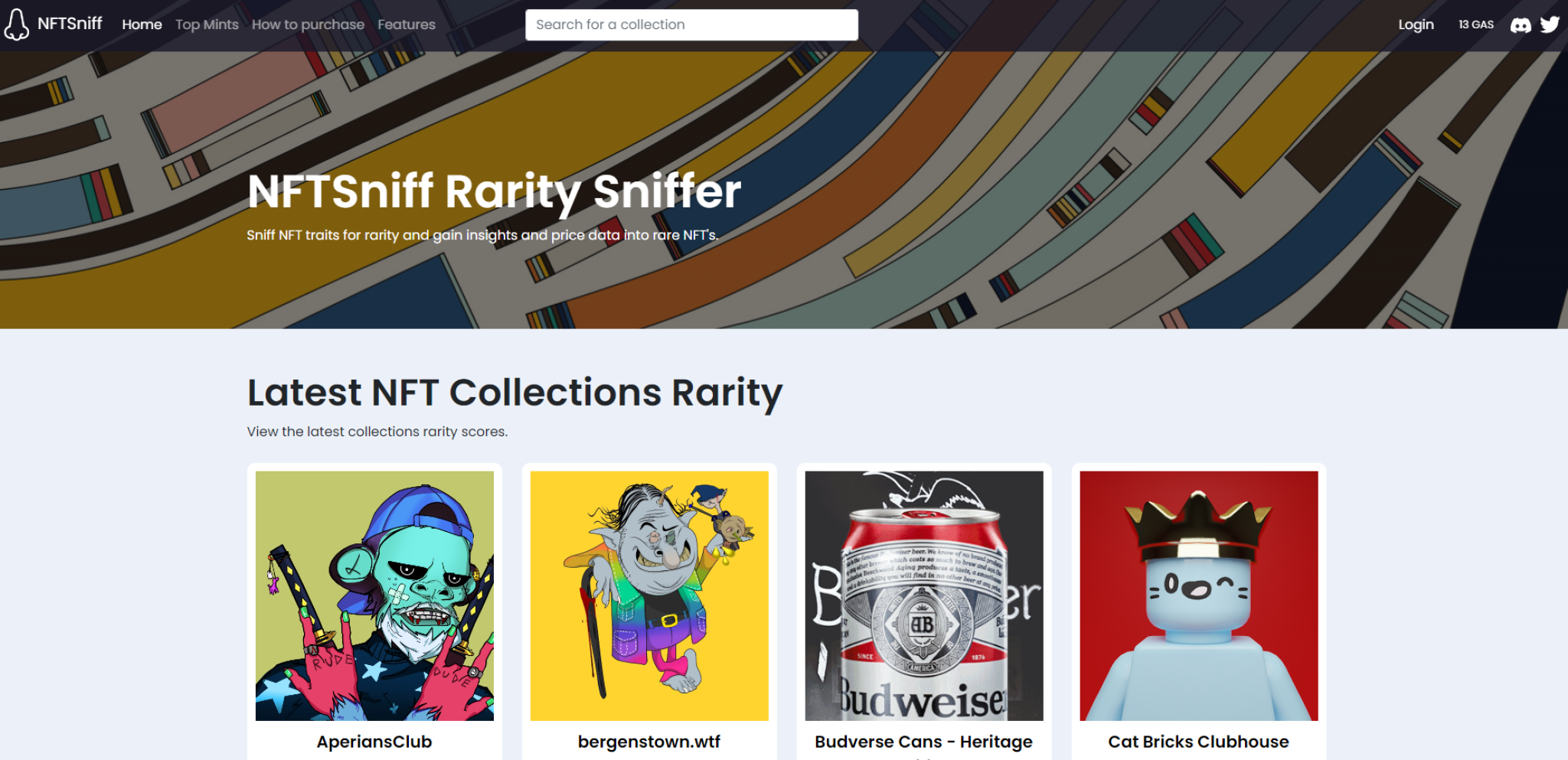
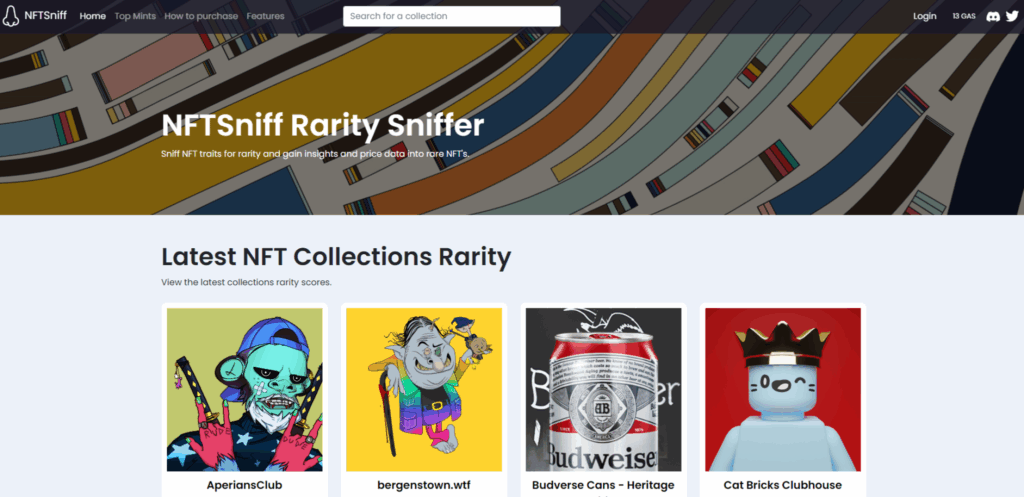
Rarity tools are platforms designed to analyze NFT collections and provide an objective assessment of the rarity of individual NFTs within that collection. They do this by examining the traits, attributes, or properties associated with each NFT and comparing them to the overall distribution of those traits within the entire collection. The rarer the combination of traits, the higher the rarity score.
Essentially, rarity tools automate the process of manually comparing NFTs, which can be time-consuming and prone to error. They provide a standardized way to evaluate rarity, making it easier for buyers and sellers to understand the value of an NFT.
How Do Rarity Tools Work?
The core functionality of rarity tools relies on analyzing the metadata associated with each NFT in a collection. Here’s a breakdown of the typical process:
- Data Collection: The tool scrapes or retrieves the metadata for all NFTs within a specific collection. This data is usually stored on the blockchain or a decentralized storage system like IPFS (InterPlanetary File System).
- Trait Identification: The tool identifies all the unique traits or attributes present within the collection. For example, in a collection of digital avatars, traits might include hair color, clothing, accessories, and background.
- Frequency Calculation: The tool calculates the frequency of each trait within the entire collection. This determines how common or rare each trait is. For instance, if only 5% of the avatars have a specific hat, that hat is considered a rare trait.
- Rarity Score Calculation: This is where different rarity tools may employ varying algorithms. However, the basic principle is to assign a rarity score to each NFT based on the rarity of its individual traits. Common methods include:
- Trait Rarity Sum: This simple method adds up the rarity scores of each trait an NFT possesses. The higher the sum, the rarer the NFT.
- Statistical Rarity: This method uses statistical analysis to determine the probability of an NFT having a specific combination of traits.
- Rank-Based Rarity: This method ranks all NFTs in the collection based on their rarity score and assigns them a rank.
- Ranking and Display: Finally, the rarity tool displays the NFTs in the collection, ranked according to their calculated rarity scores. Users can then browse the collection and easily identify the rarest NFTs.
Popular Rarity Tools in the NFT Space
Several rarity tools are widely used in the NFT community. Here are some of the most popular options:
- Rarity Sniper: One of the most well-known and comprehensive rarity tools, Rarity Sniper covers a wide range of NFT collections and offers advanced filtering and sorting options.
- Traitsniper: Another popular choice, Traitsniper provides detailed rarity information and offers features like price tracking and floor price alerts.
- Rarity.Tools: A long-standing platform in the NFT space, Rarity.Tools is known for its extensive database and detailed rarity analysis.
- HowRare.is: Primarily focused on Solana-based NFTs, HowRare.is is a go-to rarity tool for collectors in the Solana ecosystem.
It’s important to note that different rarity tools may use slightly different algorithms and data sources, which can lead to variations in rarity scores and rankings. Therefore, it’s advisable to consult multiple rarity tools and compare the results before making any investment decisions.
Limitations of Rarity Tools
While rarity tools are valuable resources, it’s crucial to understand their limitations. Relying solely on rarity scores can be misleading, as rarity is not the only factor that determines an NFT’s value. Here are some key limitations to consider:
- Subjectivity of Value: Rarity is an objective measurement, but value is subjective. An NFT with a high rarity score may not necessarily be desirable to all collectors. Factors like artistic merit, community sentiment, and cultural significance also play a significant role in determining value.
- Algorithm Variations: As mentioned earlier, different rarity tools use different algorithms, which can lead to inconsistencies in rarity scores. This means that an NFT ranked highly on one platform might be ranked lower on another.
- Gaming the System: Some NFT projects may intentionally design their collections to artificially inflate the rarity scores of certain NFTs. This can be done by creating a few extremely rare traits and distributing them unevenly across the collection.
- Missing Context: Rarity tools typically focus solely on the traits and attributes of an NFT. They don’t take into account other factors that might influence value, such as the artist’s reputation, the project’s roadmap, or the overall market conditions.
- Metadata Accuracy: The accuracy of rarity tools depends on the accuracy of the NFT’s metadata. If the metadata is incomplete or incorrect, the rarity scores will be unreliable.
How to Use Rarity Tools Effectively
To maximize the benefits of rarity tools and avoid potential pitfalls, consider the following tips:
- Use Multiple Tools: Compare the results from different rarity tools to get a more comprehensive understanding of an NFT’s rarity.
- Consider Other Factors: Don’t rely solely on rarity scores. Evaluate other factors like artistic merit, community sentiment, and market trends. [See also: Analyzing NFT Market Trends]
- Understand the Collection: Research the NFT project thoroughly before making any investment decisions. Understand the project’s goals, the artist’s background, and the community’s engagement.
- Beware of Artificially Inflated Rarity: Be wary of collections where a few extremely rare traits dominate the rarity scores. This could be a sign of manipulation.
- Verify Metadata: Double-check the NFT’s metadata to ensure its accuracy. Look for any discrepancies or inconsistencies.
- Set Realistic Expectations: Remember that rarity is just one factor that influences value. Don’t expect to automatically make a profit simply because an NFT has a high rarity score.
Beyond Rarity: Other Factors Influencing NFT Value
While rarity tools provide valuable insights into the scarcity of an NFT’s attributes, they are just one piece of the puzzle when determining its overall value. Here’s a look at other crucial elements that collectors and investors should consider:
- Artistic Value and Aesthetics: The subjective appeal of the artwork itself plays a significant role. Does the NFT resonate with you aesthetically? Does it showcase unique artistic skill or creativity? NFTs with strong artistic merit often command higher prices.
- Creator Reputation and Provenance: The reputation of the artist or creator behind the NFT is a major value driver. NFTs created by established and respected artists tend to be more sought after. Provenance, or the documented history of ownership, also adds value. NFTs that have been owned by notable collectors or public figures often fetch higher prices. [See also: Understanding NFT Provenance and Authenticity]
- Community and Utility: The strength and engagement of the NFT community can significantly impact its value. A thriving community provides support, promotes the project, and enhances the overall ownership experience. Additionally, some NFTs offer utility, such as access to exclusive content, events, or services. NFTs with strong utility often hold greater value.
- Market Trends and Sentiment: The overall market conditions and prevailing sentiment surrounding NFTs can influence prices. Bull markets tend to drive up prices across the board, while bear markets can lead to price declines. Keeping abreast of market trends and understanding the general sentiment towards specific NFT projects is essential for making informed investment decisions.
- Scarcity and Supply: While rarity tools focus on trait scarcity, the overall supply of NFTs in a collection also matters. Collections with a limited supply tend to be more valuable than those with a large supply, assuming there is sufficient demand.
The Future of Rarity Tools and NFT Valuation
As the NFT market continues to evolve, rarity tools are likely to become more sophisticated and accurate. We can expect to see advancements in algorithms, data analysis, and integration with other NFT platforms. Furthermore, there’s a growing trend towards incorporating other factors, such as artistic merit and community engagement, into NFT valuation models. [See also: The Evolution of NFT Marketplaces] This holistic approach will provide a more comprehensive and nuanced understanding of NFT value.
Conclusion
Rarity tools are invaluable resources for navigating the NFT landscape and understanding the relative scarcity of different NFTs. However, it’s crucial to remember that rarity is just one factor that influences value. By using rarity tools in conjunction with other research and analysis, you can make more informed decisions and increase your chances of success in the exciting world of NFTs.
By understanding the mechanics of rarity tools, their limitations, and the broader context of NFT valuation, you can approach the market with greater confidence and make more strategic investments.
