Decoding Oro Precio: Understanding Gold Prices and Their Global Impact
The allure of gold, or ‘oro’ as it’s known in Spanish, has captivated humanity for millennia. From ancient civilizations to modern-day investors, the precious metal holds a unique position in our collective consciousness. Understanding ‘oro precio,’ or the price of gold, is crucial for anyone involved in finance, economics, or simply interested in the global market. This article delves into the multifaceted world of gold prices, exploring the factors that influence them and their broader implications.
The term ‘oro precio’ directly translates to ‘gold price.’ However, grasping the intricacies of gold pricing requires more than just a literal translation. It involves understanding the complex interplay of supply and demand, geopolitical events, economic indicators, and investor sentiment. Let’s explore these elements in detail.
Factors Influencing Oro Precio
Several key factors drive the price of gold, making it a dynamic and often volatile market:
- Supply and Demand: Like any commodity, the fundamental principle of supply and demand significantly impacts ‘oro precio.’ Limited supply coupled with high demand will naturally push prices upward. Conversely, an oversupply or a decrease in demand can lead to price declines. Gold supply is influenced by mining production, recycling, and central bank sales. Demand comes from various sources, including jewelry manufacturing, industrial applications, investment purposes, and central bank purchases.
- Geopolitical Events: Uncertainty and instability in the geopolitical landscape often drive investors towards gold as a safe haven asset. During times of war, political unrest, or economic crisis, ‘oro precio’ tends to rise as investors seek to protect their wealth. This flight to safety is a recurring theme in the history of gold pricing.
- Economic Indicators: Economic indicators such as inflation, interest rates, and currency fluctuations play a significant role in determining ‘oro precio.’ High inflation can erode the value of fiat currencies, making gold a more attractive store of value. Conversely, rising interest rates can make bonds and other interest-bearing assets more appealing, potentially dampening demand for gold. Currency fluctuations, particularly the strength of the US dollar (as gold is typically priced in USD), can also influence its price. A weaker dollar generally makes gold more affordable for buyers using other currencies, potentially boosting demand.
- Investor Sentiment: Market psychology and investor sentiment can significantly impact ‘oro precio,’ sometimes independently of fundamental factors. Speculation, fear, and greed can drive prices up or down in the short term. News headlines, analyst reports, and social media trends can all contribute to shifts in investor sentiment.
- Central Bank Activity: Central banks are major players in the gold market, holding significant reserves. Their buying and selling activities can have a substantial impact on ‘oro precio.’ For example, if a major central bank announces plans to increase its gold holdings, it can signal confidence in gold as a store of value and drive prices higher.
How Oro Precio is Determined
The price of gold is determined through a global network of exchanges and over-the-counter (OTC) markets. The most influential benchmark prices are set on the London Bullion Market Association (LBMA) and the COMEX (Commodity Exchange) in New York. These prices serve as a reference point for transactions around the world.
The LBMA Gold Price is determined through an electronic auction process that takes place twice daily. Participants include major bullion banks, refiners, and other market participants. The COMEX futures market allows investors to trade contracts for the future delivery of gold. The prices in the futures market reflect expectations about future ‘oro precio’ and can influence spot prices.
The Significance of Oro Precio in the Global Economy
Understanding ‘oro precio’ is essential for several reasons. It serves as a barometer of economic uncertainty, a hedge against inflation, and a diversifier for investment portfolios. It also plays a crucial role in the jewelry industry, industrial applications, and the financial stability of some countries.
- Economic Indicator: As mentioned earlier, gold often acts as a safe-haven asset during times of economic turmoil. Monitoring ‘oro precio’ can provide insights into investor confidence and the overall health of the global economy.
- Inflation Hedge: Gold has historically been considered a hedge against inflation. When inflation rises, the value of fiat currencies tends to decline, making gold a more attractive store of value. This is because gold’s supply is relatively limited, and its value is not directly tied to any particular government or central bank.
- Portfolio Diversification: Many financial advisors recommend including gold in investment portfolios as a way to diversify risk. Gold’s price often moves independently of stocks and bonds, providing a buffer against market volatility.
- Jewelry and Industrial Applications: A significant portion of gold demand comes from the jewelry industry. Gold’s beauty, durability, and resistance to corrosion make it a highly desirable material for jewelry making. Gold also has various industrial applications, including electronics, dentistry, and medicine.
- Central Bank Reserves: Central banks hold gold as part of their foreign exchange reserves. These reserves provide a buffer against economic shocks and can be used to stabilize currencies. Some countries rely heavily on gold exports for their revenue, making ‘oro precio’ particularly important for their economic stability.
Investing in Gold: Options and Considerations
There are several ways to invest in gold, each with its own advantages and disadvantages:
- Physical Gold: This includes buying gold bars, coins, or jewelry. Physical gold provides direct ownership of the metal but involves storage and security costs.
- Gold ETFs: Exchange-Traded Funds (ETFs) that track the price of gold offer a convenient and liquid way to invest in gold without physically owning it.
- Gold Mining Stocks: Investing in companies that mine gold can provide exposure to the gold market, but the performance of these stocks is also influenced by factors specific to the mining industry, such as operating costs and geopolitical risks.
- Gold Futures: Trading gold futures contracts can offer leveraged exposure to the gold market, but it also carries significant risk.
Before investing in gold, it’s essential to consider your investment goals, risk tolerance, and time horizon. It’s also advisable to consult with a financial advisor to determine the appropriate allocation of gold in your portfolio.
Recent Trends in Oro Precio
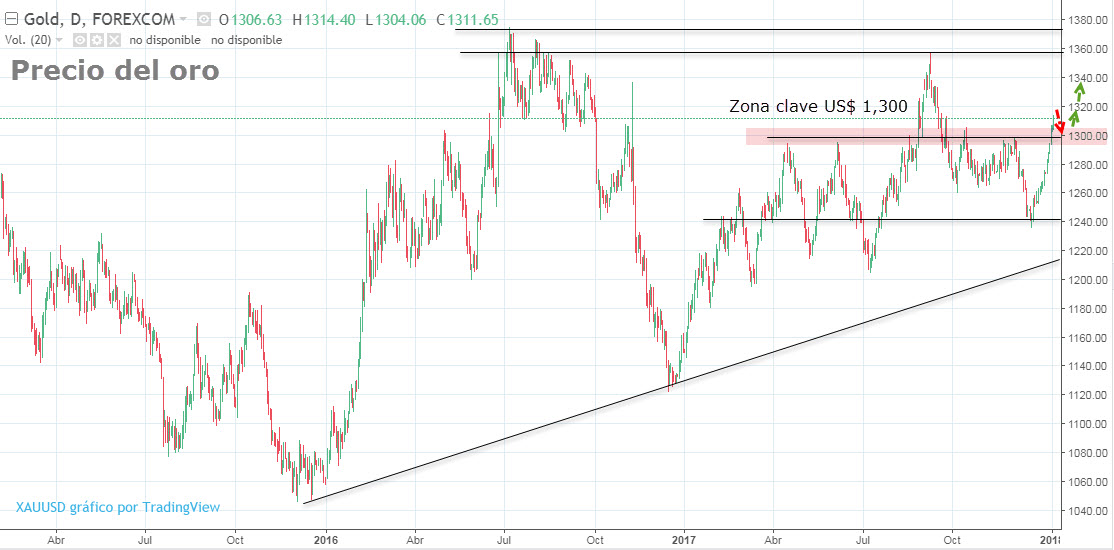
Analyzing recent trends in ‘oro precio’ provides valuable insights into the current market dynamics. For example, a surge in gold prices during a period of heightened geopolitical tensions could indicate increased risk aversion among investors. Conversely, a decline in gold prices despite inflationary pressures could suggest that investors are finding alternative hedges against inflation. Staying informed about these trends is crucial for making informed investment decisions.
Consider the impact of [See also: Central Bank Gold Reserves] on the market. Central bank buying habits can significantly influence the direction of prices. Similarly, [See also: Inflation and Gold Prices] often have a strong correlation, and understanding this relationship is essential for investors.
The Future of Oro Precio
Predicting the future of ‘oro precio’ is inherently challenging due to the many factors that can influence it. However, some analysts believe that gold will continue to play a significant role as a store of value and a hedge against economic uncertainty. Others argue that alternative investments, such as cryptocurrencies, could potentially erode gold’s appeal. Ultimately, the future of ‘oro precio’ will depend on the interplay of these competing forces.
Understanding ‘oro precio’ requires a comprehensive understanding of global economics, geopolitical events, and investor sentiment. By carefully analyzing these factors, investors can make informed decisions about whether and how to include gold in their portfolios.
The ‘oro precio’ is a multifaceted concept, reflecting the complex interplay of global economics and investor psychology. Whether you are an experienced investor or simply curious about the world of finance, understanding the dynamics of gold pricing is a valuable endeavor. As global events continue to shape the economic landscape, the allure of gold and its role as a store of value will likely remain significant.
The continued monitoring of ‘oro precio’ and its influencing factors is of paramount importance for anyone involved in global finance. Factors such as [See also: The Impact of US Dollar on Gold Prices] and [See also: Gold Mining Industry Trends] can provide a deeper understanding of market movements.
In conclusion, ‘oro precio’ is more than just a number; it’s a reflection of global economic health, investor confidence, and the enduring appeal of a precious metal that has captivated humanity for centuries. Keeping a close watch on ‘oro precio’ allows for a better understanding of market dynamics and informed decision making, particularly in uncertain times. The historical significance of gold, coupled with its continued relevance in modern finance, makes understanding ‘oro precio’ an essential skill for anyone navigating the complexities of the global economy. As the world continues to evolve, the ‘oro precio’ will undoubtedly remain a key indicator of economic stability and investor sentiment. Understanding the nuances behind the fluctuating ‘oro precio’ is vital for making sound financial decisions and navigating the global economic landscape with confidence.
