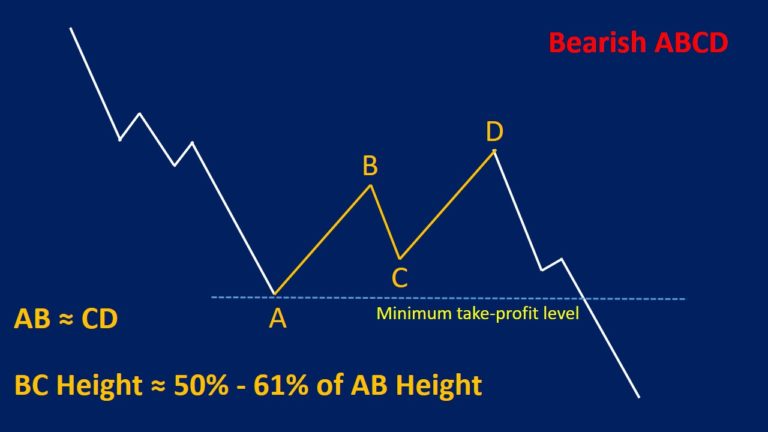
Decoding the ABC ABC Pattern: Understanding Repeating Sequences in Data
In the realm of data analysis, pattern recognition is a crucial skill. Among the various patterns observed, the ABC ABC pattern stands out for its clear and repetitive nature. This article delves into the intricacies of the ABC ABC pattern, exploring its definition, identification, and practical applications across diverse fields. Understanding this pattern can unlock valuable insights and improve decision-making processes. This pattern is very important and can be seen everywhere from music to genetics.
What is the ABC ABC Pattern?
The ABC ABC pattern, at its core, represents a sequence where a set of three distinct elements (A, B, and C) repeats itself. This repetition creates a predictable and easily identifiable structure. The elements A, B, and C can represent anything – numbers, letters, objects, events, or even more complex data structures. The key characteristic is the consistent repetition of the ABC sequence. The ABC ABC pattern is a specific case of a repeating sequence.
Let’s consider a few examples to illustrate this pattern:
- Numerical Example: 1 2 3 1 2 3
- Alphabetical Example: X Y Z X Y Z
- Event-Based Example: Meeting Task Review Meeting Task Review
In each of these examples, the sequence ABC (represented by different elements) repeats itself exactly. This repetition is what defines the ABC ABC pattern.
Identifying the ABC ABC Pattern
Identifying the ABC ABC pattern requires careful observation and analysis of the data. Here are some key steps to guide the identification process:
- Data Collection: Gather the relevant data that you suspect might contain the pattern.
- Sequence Segmentation: Divide the data into potential repeating sequences. Look for groups of three elements that might be repeating.
- Pattern Verification: Confirm that the identified sequence repeats itself consistently. Ensure that the order of the elements within the sequence remains the same.
- Contextual Analysis: Consider the context of the data. Does the identified pattern make sense within the given domain?
Tools and techniques like sequence alignment algorithms and statistical analysis can be helpful in identifying the ABC ABC pattern in large datasets. These methods can automate the process and improve accuracy.
Applications of the ABC ABC Pattern
The ABC ABC pattern finds applications across a wide range of fields. Its simplicity and predictability make it a valuable tool for analysis and decision-making. Here are some notable examples:
Music
In music, the ABC ABC pattern can represent a simplified chord progression or melodic structure. For example, a song might have a verse (A), a chorus (B), and a bridge (C), with the verse and chorus repeating. This pattern provides a basic framework for song structure and can be varied to create more complex compositions. The use of the ABC ABC pattern in music is a common occurrence.
Genetics
In genetics, the ABC ABC pattern can represent repeating sequences of DNA bases. These repeating sequences can have various functions, including regulating gene expression and influencing chromosome structure. Understanding these patterns is crucial for studying genetic disorders and developing new therapies. Furthermore, the ABC ABC pattern is used in identifying certain genetic markers.
Manufacturing
In manufacturing, the ABC ABC pattern can represent a repeating sequence of steps in a production process. For example, a product might go through assembly (A), testing (B), and packaging (C) stages, with these stages repeating for each unit produced. Identifying and optimizing these patterns can improve efficiency and reduce costs. The streamlining of the ABC ABC pattern can lead to better throughput.
Data Compression
The ABC ABC pattern can be used in data compression algorithms. By identifying and representing repeating sequences with shorter codes, the size of the data can be reduced. This is particularly useful for compressing repetitive data, such as text or images. The effectiveness of using the ABC ABC pattern depends on the frequency of its occurrence in the data.
Cybersecurity
In cybersecurity, the ABC ABC pattern might represent a repeating sequence of network traffic or user behavior. Identifying these patterns can help detect anomalies and potential security threats. For example, a repeating sequence of login attempts from different locations might indicate a brute-force attack. The identification of the ABC ABC pattern can be an indicator of malicious activity.
Advantages and Limitations
While the ABC ABC pattern offers several advantages, it also has limitations that need to be considered.
Advantages
- Simplicity: The pattern is easy to understand and identify.
- Predictability: The repetitive nature of the pattern allows for predictions and forecasting.
- Versatility: The pattern can be applied to a wide range of data types and domains.
Limitations
- Oversimplification: The pattern might oversimplify complex data and ignore important nuances.
- Limited Scope: The pattern might not be suitable for data that does not exhibit clear repeating sequences.
- False Positives: The pattern might be identified incorrectly due to random chance or noise in the data.
It’s important to use the ABC ABC pattern in conjunction with other analytical techniques and to consider the limitations of the pattern when interpreting the results. The correct usage of the ABC ABC pattern will produce the best results.
Advanced Applications and Considerations
Beyond the basic applications, the ABC ABC pattern can be used in more advanced analytical techniques. For instance, it can be combined with machine learning algorithms to predict future occurrences of the pattern or to identify variations of the pattern. The ABC ABC pattern can also be used in time series analysis to detect seasonal trends and cyclical patterns.
When working with the ABC ABC pattern, it’s important to consider the following:
- Data Quality: Ensure that the data is accurate and reliable. Errors in the data can lead to incorrect identification of the pattern.
- Contextual Understanding: Understand the context of the data and the domain in which the pattern is being applied. This will help you interpret the results correctly.
- Statistical Significance: Determine whether the identified pattern is statistically significant or simply due to random chance.
By addressing these considerations, you can improve the accuracy and reliability of your analysis.
Conclusion
The ABC ABC pattern is a simple yet powerful tool for data analysis. Its repetitive nature makes it easy to identify and apply in various fields. By understanding the definition, identification process, applications, and limitations of the pattern, you can unlock valuable insights and improve decision-making. While the ABC ABC pattern has limitations, its versatility and ease of use make it a valuable asset in any data analyst’s toolkit. Recognizing the ABC ABC pattern can be a valuable skill. Remember to always consider the context of the data and to use the pattern in conjunction with other analytical techniques. The ABC ABC pattern is truly a fundamental concept to master.
[See also: Analyzing Repeating Data Sequences] [See also: Pattern Recognition Techniques in Data Science] [See also: The Importance of Data Quality in Pattern Analysis]
