Decoding the Crystal Ball: A Realistic Look at Stock Market Predictors
The allure of predicting the stock market is undeniable. Imagine possessing the ability to foresee market fluctuations, capitalizing on upward trends, and avoiding catastrophic losses. This quest has fueled countless hours of research, the development of sophisticated algorithms, and the rise of self-proclaimed gurus promising the key to unlocking market secrets. But how realistic is it to accurately predict the stock market? This article delves into the world of stock market predictors, examining their methodologies, limitations, and the inherent uncertainties that make market forecasting a complex and often unreliable endeavor. We’ll explore various approaches, from technical analysis and fundamental analysis to macroeconomic indicators and even the influence of human psychology, providing a balanced perspective on the possibilities and pitfalls of attempting to predict the unpredictable.
The Siren Song of Prediction: Why We Seek Market Foresight
The human desire to predict the future is deeply ingrained. In the context of the stock market, this desire is amplified by the potential for significant financial gain. The promise of wealth creation through accurate forecasting attracts investors of all levels, from seasoned professionals to novice traders. The financial media often fuels this desire, highlighting stories of successful predictions and perpetuating the myth of consistent market foresight. However, it’s crucial to distinguish between informed analysis and speculative guesswork. Understanding the motivations behind our pursuit of stock market predictors is the first step towards a more realistic and rational approach to investing.
Technical Analysis: Reading the Tea Leaves of Price Charts
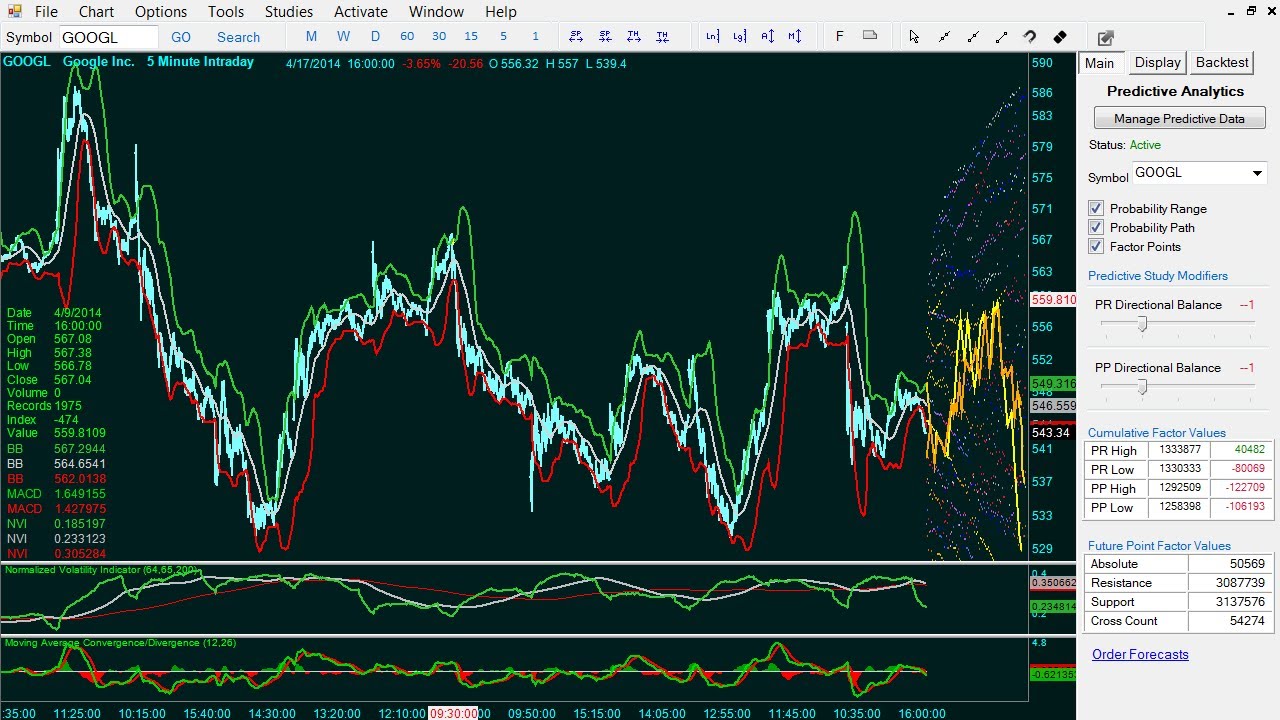
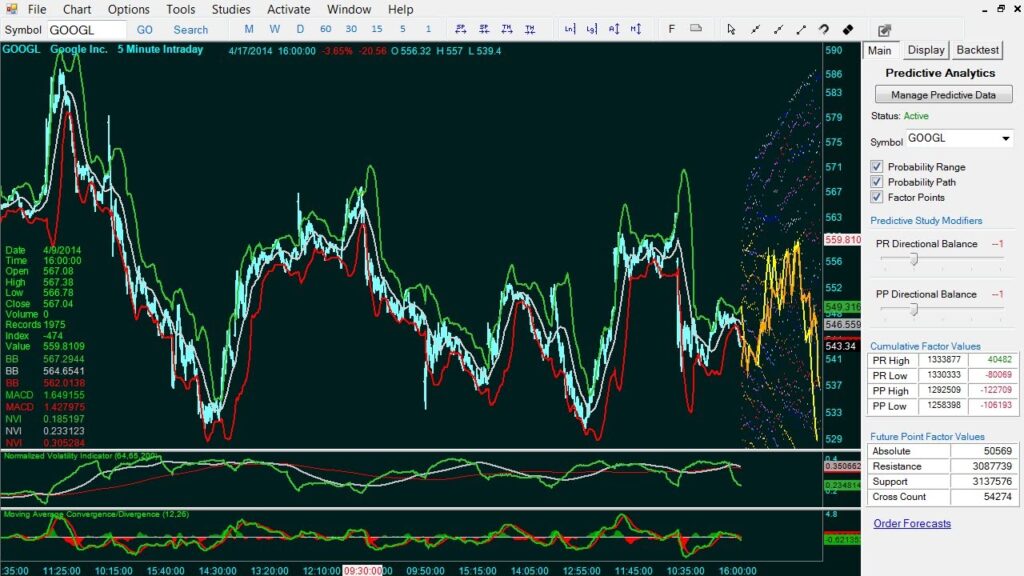
Technical analysis is one of the most widely used approaches to stock market predictors. It involves studying historical price and volume data to identify patterns and trends, which are then used to forecast future price movements. Technical analysts believe that all relevant information is already reflected in the price of a stock and that market psychology plays a significant role in shaping price trends. Common technical indicators include moving averages, relative strength index (RSI), and Fibonacci retracements. While technical analysis can be useful for identifying potential entry and exit points, it’s important to remember that past performance is not necessarily indicative of future results. The effectiveness of technical analysis is often debated, with critics arguing that it’s more akin to reading tea leaves than a scientific method. [See also: Understanding Technical Analysis in Trading]
Fundamental Analysis: Digging into the Company’s DNA
In contrast to technical analysis, fundamental analysis focuses on evaluating the intrinsic value of a company by examining its financial statements, management team, competitive landscape, and overall industry outlook. Fundamental analysts believe that the market price of a stock will eventually reflect its true underlying value. Key metrics used in fundamental analysis include earnings per share (EPS), price-to-earnings ratio (P/E), and return on equity (ROE). By carefully analyzing these factors, fundamental analysts aim to identify undervalued stocks that have the potential for future growth. While fundamental analysis provides a more in-depth understanding of a company’s financial health, it’s still subject to uncertainties and external factors that can impact its performance. Even the most thorough fundamental analysis cannot guarantee accurate stock market predictors.
Macroeconomic Indicators: The Big Picture View
Macroeconomic indicators, such as GDP growth, inflation rates, and interest rates, can also influence the stock market. A strong economy typically leads to higher corporate profits and increased investor confidence, which can drive stock prices higher. Conversely, a weak economy can lead to lower profits and decreased confidence, resulting in market declines. Central banks, like the Federal Reserve in the United States, play a crucial role in managing the economy through monetary policy. Changes in interest rates, for example, can have a significant impact on borrowing costs, consumer spending, and corporate investment, all of which can affect the stock market. Monitoring macroeconomic indicators is an important aspect of stock market predictors, but it’s crucial to remember that these indicators are often lagging and subject to revisions. [See also: How Economic Indicators Affect Stock Prices]
The Role of Sentiment: The Emotional Rollercoaster
Human emotions, such as fear and greed, can have a significant impact on the stock market. Periods of optimism and euphoria can lead to speculative bubbles, where asset prices are driven far beyond their intrinsic value. Conversely, periods of panic and fear can lead to market crashes, where prices plummet rapidly. Understanding market sentiment is crucial for stock market predictors, but it’s also one of the most challenging aspects of forecasting. Sentiment is often irrational and unpredictable, making it difficult to quantify and incorporate into predictive models. Social media and news headlines can amplify market sentiment, creating volatile swings in stock prices.
Algorithmic Trading: The Rise of the Machines
Algorithmic trading, also known as high-frequency trading (HFT), involves using computer programs to execute trades based on pre-defined rules and algorithms. These algorithms can analyze vast amounts of data in real-time, identifying patterns and opportunities that humans might miss. Algorithmic trading has become increasingly prevalent in recent years, accounting for a significant portion of trading volume on major stock exchanges. While algorithmic trading can improve efficiency and liquidity, it can also contribute to market volatility and flash crashes. The use of algorithms in stock market predictors raises ethical concerns about fairness and transparency.
The Limits of Prediction: Embracing Uncertainty
Despite the advancements in technology and the sophistication of analytical tools, accurately predicting the stock market remains a daunting challenge. The market is influenced by a multitude of factors, many of which are unpredictable or difficult to quantify. Unexpected events, such as geopolitical crises, natural disasters, and regulatory changes, can have a significant impact on market sentiment and stock prices. The inherent randomness of the market makes it impossible to predict future outcomes with certainty. It’s important to acknowledge the limitations of stock market predictors and to avoid relying solely on forecasts when making investment decisions.
A Realistic Approach to Investing: Focus on Long-Term Goals
Instead of chasing elusive predictions, a more prudent approach to investing involves focusing on long-term goals, diversification, and risk management. Diversifying your portfolio across different asset classes can help reduce your overall risk. Investing in a mix of stocks, bonds, and other assets can cushion the impact of market downturns. Setting realistic expectations and avoiding emotional decision-making are also crucial for long-term success. Working with a qualified financial advisor can help you develop a personalized investment strategy that aligns with your goals and risk tolerance. While stock market predictors might offer tempting glimpses into the future, a disciplined and well-informed approach is ultimately the best path to achieving your financial objectives.
The Future of Forecasting: AI and Machine Learning
The field of stock market predictors is constantly evolving, with new technologies and methodologies emerging all the time. Artificial intelligence (AI) and machine learning (ML) are increasingly being used to analyze vast datasets and identify patterns that might be missed by traditional methods. AI-powered algorithms can learn from past data and adapt to changing market conditions, potentially improving the accuracy of forecasts. However, even the most sophisticated AI models are not foolproof. The market is a complex and dynamic system, and unforeseen events can always disrupt even the most carefully crafted predictions. The future of forecasting likely involves a combination of human expertise and artificial intelligence, with humans providing the critical thinking and judgment that algorithms cannot replicate.
Conclusion: Navigating the Market with Informed Skepticism
The quest for accurate stock market predictors is likely to continue, driven by the allure of financial gain and the human desire to understand the future. However, it’s crucial to approach market forecasting with a healthy dose of skepticism. While various analytical tools and methodologies can provide valuable insights, none can guarantee accurate predictions. A more realistic and sustainable approach to investing involves focusing on long-term goals, diversification, risk management, and a disciplined investment strategy. By understanding the limitations of prediction and embracing uncertainty, investors can navigate the market with greater confidence and achieve their financial objectives.
