Decoding the Hammer Pattern Stock: A Comprehensive Guide for Traders
The stock market is a complex arena where understanding candlestick patterns can significantly enhance a trader’s ability to predict future price movements. Among these patterns, the hammer pattern stock stands out as a key indicator of potential bullish reversals. This article delves into the intricacies of the hammer pattern, exploring its characteristics, implications, and how to effectively use it in trading strategies.
What is the Hammer Pattern?
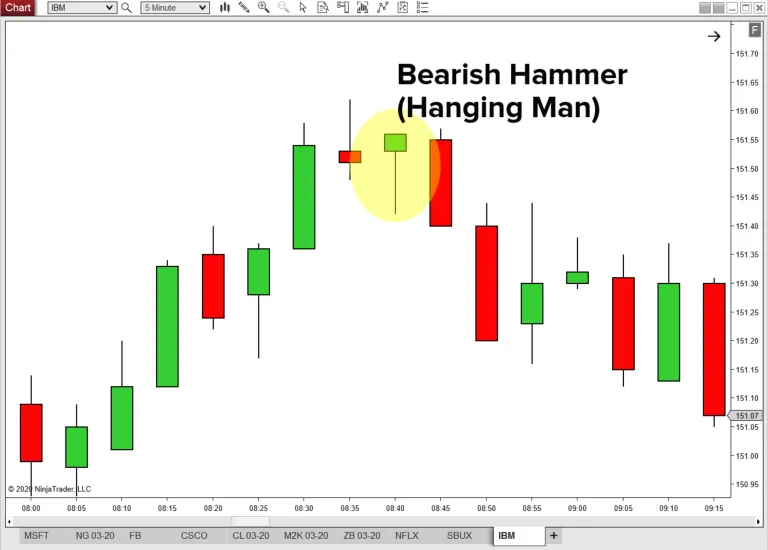
The hammer pattern is a bullish reversal candlestick pattern that forms after a downtrend. It signals that the price may be bottoming out and could be about to move higher. It’s characterized by a small body near the high of the period and a long lower shadow, indicating that sellers initially drove the price down, but buyers stepped in to push it back up towards the opening price. The upper shadow should be minimal or non-existent. A classic hammer pattern stock is often sought out by technical analysts.
Key Characteristics of a Hammer Pattern:
- Small Body: The real body (the difference between the opening and closing price) is small.
- Long Lower Shadow: The lower shadow is at least twice the length of the real body.
- Little or No Upper Shadow: Ideally, there should be little or no upper shadow.
- Forms After Downtrend: It must form after a period of declining prices to be considered a valid hammer pattern stock.
Understanding the Psychology Behind the Hammer Pattern
The formation of a hammer pattern reflects a shift in market sentiment. During a downtrend, sellers are in control, pushing prices lower. However, when a hammer pattern forms, it indicates that buyers have started to exert their influence. The long lower shadow shows that sellers initially drove the price down significantly, but buyers stepped in to aggressively buy, pushing the price back up towards the open. This suggests that the selling pressure may be weakening, and a potential reversal is on the horizon. Recognizing this psychological shift is crucial for traders looking at a hammer pattern stock.
How to Identify a Valid Hammer Pattern
Identifying a valid hammer pattern requires careful observation and consideration of several factors. Here’s a step-by-step guide:
- Confirm the Downtrend: Ensure that the pattern forms after a clear downtrend. The longer and more pronounced the downtrend, the more significant the hammer pattern becomes.
- Look for the Small Body: The real body should be small relative to the overall candlestick. A small body indicates indecision in the market.
- Verify the Long Lower Shadow: The lower shadow should be at least twice the length of the real body. This is the most critical characteristic of the hammer pattern.
- Check for Minimal Upper Shadow: Ideally, there should be little or no upper shadow. A longer upper shadow can weaken the bullish signal.
- Consider the Volume: Increased volume during the formation of the hammer pattern can further validate the signal. Higher volume suggests stronger buying pressure.
Spotting a hammer pattern stock requires patience and attention to detail.
Trading Strategies Using the Hammer Pattern
Once you’ve identified a valid hammer pattern, you can incorporate it into your trading strategy. Here are some common approaches:
Confirmation is Key
Never trade solely based on the hammer pattern alone. Always wait for confirmation before entering a trade. Confirmation typically comes in the form of a bullish candlestick on the following day, with the price closing above the high of the hammer. This confirms that the buying pressure is indeed sustained. Looking at other indicators alongside the hammer pattern stock can provide valuable insights.
Setting Stop-Loss Orders
Place your stop-loss order just below the low of the hammer pattern. This limits your potential losses if the price continues to decline. A well-placed stop-loss is essential for risk management.
Setting Profit Targets
Determine your profit target based on your risk-reward ratio and the overall market conditions. A common approach is to target a profit that is at least twice the distance between your entry point and stop-loss order. Consider resistance levels and previous highs as potential profit targets.
Using the Hammer Pattern with Other Indicators
Combining the hammer pattern with other technical indicators can enhance its effectiveness. Some popular indicators to use in conjunction with the hammer pattern include:
- Moving Averages: Look for the hammer pattern to form near a moving average support level. This can provide additional confirmation of a potential reversal.
- Relative Strength Index (RSI): Check if the RSI is oversold when the hammer pattern forms. An oversold RSI suggests that the price may be due for a bounce.
- Fibonacci Retracement Levels: Identify potential support levels using Fibonacci retracement and look for the hammer pattern to form near these levels.
Analyzing a hammer pattern stock in conjunction with other indicators offers a more robust trading strategy.
Examples of Hammer Patterns in Real-World Trading
To illustrate how the hammer pattern works in practice, let’s look at a few hypothetical examples:
Example 1: Tech Company Downtrend Reversal
Imagine a tech company’s stock has been in a steady downtrend for several weeks due to negative news. One day, a hammer pattern forms. The price initially drops significantly, but buyers step in and push the price back up, closing near the high of the day. The next day, the stock opens higher and continues to climb, confirming the bullish reversal. Traders who recognized the hammer pattern and waited for confirmation could have profited from the subsequent price increase. This is a classic application of identifying a hammer pattern stock.
Example 2: Energy Sector Pullback
Consider an energy sector stock that experiences a short-term pullback after a period of strong performance. A hammer pattern forms near a key support level. The long lower shadow indicates that buyers are defending the support level. The following day, the stock gaps up and continues its upward trajectory. Traders who identified the hammer pattern could have entered a long position with a stop-loss below the support level. Recognizing this scenario is beneficial for traders looking for a hammer pattern stock.
Limitations of the Hammer Pattern
While the hammer pattern can be a valuable tool for traders, it’s essential to be aware of its limitations:
- False Signals: The hammer pattern can sometimes produce false signals. The price may not always reverse after a hammer pattern forms.
- Subjectivity: Identifying hammer patterns can be subjective. Different traders may interpret the same candlestick pattern differently.
- Market Context: The effectiveness of the hammer pattern depends on the overall market context. It may be less reliable in choppy or sideways markets.
Understanding these limitations is crucial for managing risk and avoiding potential losses. Don’t rely solely on a hammer pattern stock for making trading decisions.
The Inverted Hammer Pattern
The inverted hammer pattern is another bullish reversal pattern that resembles an upside-down hammer. It has a small body near the low of the period and a long upper shadow. The lower shadow should be minimal or non-existent. The inverted hammer pattern suggests that buyers initially tried to push the price higher, but sellers stepped in to push it back down towards the opening price. However, the fact that buyers were able to push the price higher at all indicates that the selling pressure may be weakening. Similar to the hammer pattern, confirmation is needed before entering a trade.
Conclusion
The hammer pattern stock is a powerful tool for identifying potential bullish reversals in the stock market. By understanding its characteristics, psychology, and limitations, traders can effectively incorporate it into their trading strategies. Remember to always wait for confirmation, set stop-loss orders, and consider using other technical indicators to enhance the reliability of the signal. With careful observation and disciplined risk management, the hammer pattern can be a valuable asset in your trading toolkit. Further research into candlestick patterns and technical analysis will enhance your understanding of market dynamics and improve your trading performance. Don’t forget to stay updated on market news and economic events that can impact stock prices.
[See also: Candlestick Patterns for Beginners]
[See also: Technical Analysis Strategies for Day Trading]
[See also: Understanding Stock Market Reversals]
