Deflation in the Economy: Understanding Causes, Consequences, and Potential Solutions
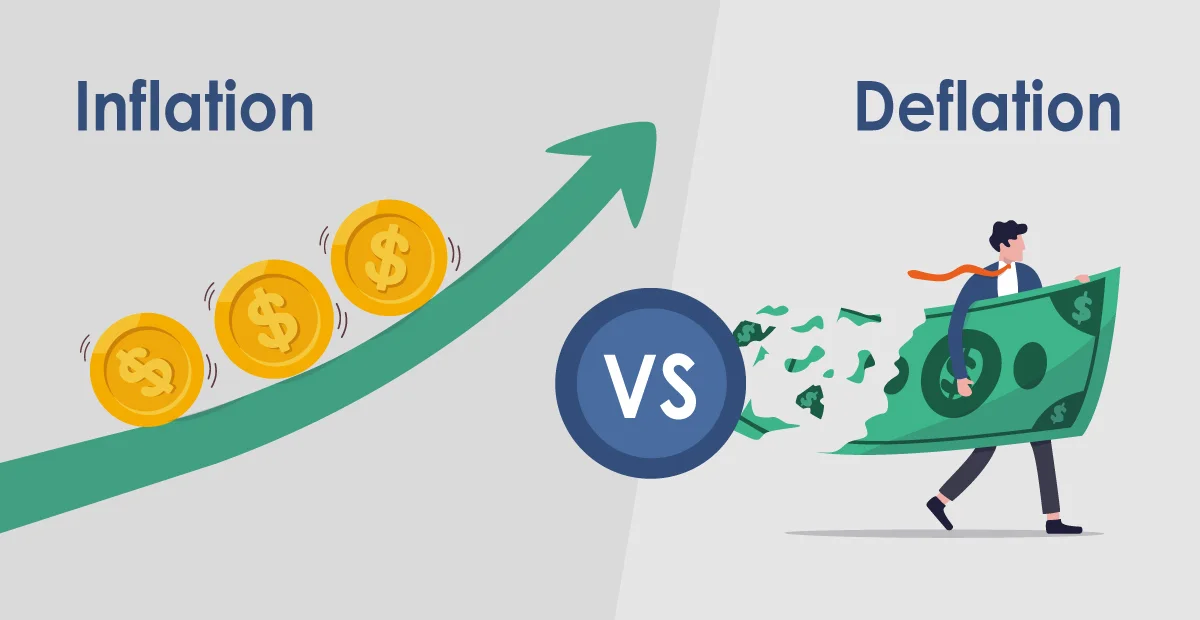
Deflation, the opposite of inflation, is a sustained decrease in the general price level of goods and services in an economy. While on the surface it might seem beneficial, as consumers can buy more with the same amount of money, deflation can actually be detrimental to economic growth and stability. This article delves into the causes and consequences of deflation, exploring potential solutions to mitigate its negative effects.
What is Deflation?
Deflation occurs when the inflation rate falls below 0%, indicating that the purchasing power of money is increasing over time. This is typically measured by tracking changes in the Consumer Price Index (CPI), which represents the average price of a basket of goods and services purchased by households. A consistent and significant decline in the CPI signals deflation.
Causes of Deflation
Several factors can contribute to deflation. Understanding these underlying causes is crucial for implementing effective countermeasures.
Decrease in Aggregate Demand
A primary driver of deflation is a decrease in aggregate demand, which represents the total demand for goods and services in an economy at a given price level. This can result from various factors, including:
- Recessions: During economic downturns, consumer spending and business investment tend to decline, leading to a decrease in demand.
- Increased Savings: If individuals and businesses become more risk-averse and choose to save more, spending falls, reducing aggregate demand.
- Government Austerity: Government policies that reduce spending, such as budget cuts, can also contribute to lower aggregate demand.
Increase in Aggregate Supply
Conversely, an increase in aggregate supply, without a corresponding increase in demand, can also lead to deflation. This can occur due to:
- Technological Advancements: Technological innovations can boost productivity and lower production costs, leading to an increase in the supply of goods and services.
- Increased Competition: Greater competition among businesses can drive down prices as firms try to gain market share.
- Reduced Input Costs: Lower costs for raw materials, energy, or labor can also enable businesses to lower their prices.
Debt Deflation
Debt deflation, a concept popularized by economist Irving Fisher, occurs when a decrease in the price level increases the real value of debt. This makes it more difficult for debtors to repay their loans, leading to defaults and further economic contraction. As debtors struggle, they reduce spending, exacerbating the deflationary spiral. [See also: Understanding Debt Cycles]
Monetary Policy
In some cases, contractionary monetary policy, such as raising interest rates or reducing the money supply, can contribute to deflation. This can happen if the central bank overestimates the risk of inflation and tightens monetary policy too aggressively.
Consequences of Deflation
While lower prices might seem appealing, deflation can have several negative consequences for the economy:
Decreased Consumer Spending
When consumers expect prices to fall further, they may delay purchases, hoping to buy goods and services at even lower prices in the future. This decrease in consumer spending can further depress demand and contribute to a deflationary spiral.
Increased Real Debt Burden
As mentioned earlier, deflation increases the real value of debt, making it more difficult for debtors to repay their loans. This can lead to defaults and bankruptcies, which can destabilize the financial system.
Reduced Business Investment
Businesses may be reluctant to invest in new projects during periods of deflation, as they anticipate lower profits and sales in the future. This can lead to a decline in economic growth and job creation.
Wage Cuts and Unemployment
As businesses face declining revenues and profits, they may be forced to cut wages or lay off workers. This can lead to a further decrease in consumer spending and aggregate demand.
Deflationary Spiral
The most dangerous consequence of deflation is the potential for a deflationary spiral. This occurs when falling prices lead to decreased demand, which in turn leads to further price declines, creating a self-reinforcing cycle of economic contraction. [See also: The Great Depression and Deflation]
Examples of Deflation
Several countries have experienced periods of deflation throughout history. Some notable examples include:
- The Great Depression (1930s): The Great Depression was characterized by widespread deflation, which exacerbated the economic downturn.
- Japan in the 1990s and 2000s: Japan experienced a prolonged period of deflation following the collapse of its asset bubble in the early 1990s. This period, often referred to as the “Lost Decade,” saw stagnant economic growth and persistent price declines.
- The United States during the late 19th century: Several periods of deflation occurred in the US during this time, often linked to increased agricultural output and monetary policies.
Solutions to Deflation
Addressing deflation requires a multifaceted approach, combining monetary and fiscal policy measures.
Monetary Policy
Central banks can use various monetary policy tools to combat deflation:
- Lowering Interest Rates: Reducing interest rates can encourage borrowing and spending, boosting aggregate demand.
- Quantitative Easing (QE): QE involves the central bank purchasing assets, such as government bonds, to inject liquidity into the financial system and lower long-term interest rates.
- Negative Interest Rates: Some central banks have experimented with negative interest rates on commercial banks’ reserves held at the central bank, aiming to incentivize banks to lend more money.
- Forward Guidance: Communicating the central bank’s intentions and future policy plans can help manage expectations and influence consumer and business behavior.
Fiscal Policy
Governments can also use fiscal policy to combat deflation:
- Increased Government Spending: Government spending on infrastructure projects, education, and other public goods can boost aggregate demand and create jobs.
- Tax Cuts: Reducing taxes can increase disposable income, encouraging consumer spending and business investment.
- Direct Transfers: Providing direct payments to households can stimulate spending and provide immediate relief during periods of economic hardship.
Structural Reforms
In addition to monetary and fiscal policy, structural reforms can also help address the underlying causes of deflation:
- Deregulation: Reducing regulatory burdens can encourage business investment and innovation.
- Labor Market Reforms: Reforms that increase labor market flexibility can help businesses adjust to changing economic conditions.
- Promoting Competition: Policies that promote competition among businesses can help prevent monopolies and oligopolies, which can lead to higher prices.
Conclusion
Deflation, while seemingly beneficial due to lower prices, can have severe consequences for the economy. Understanding the causes and consequences of deflation is crucial for policymakers to implement effective countermeasures. By combining monetary and fiscal policy measures with structural reforms, governments can mitigate the negative effects of deflation and promote sustainable economic growth. Monitoring economic indicators and proactively addressing potential deflationary pressures are essential for maintaining economic stability. Preventing deflation is generally preferable to trying to cure it, as deflationary spirals can be difficult to break once they take hold. Careful economic management is key to avoiding the pitfalls of deflation. The complex interplay of factors contributing to deflation requires a nuanced and comprehensive approach to ensure long-term economic well-being. Ultimately, a healthy economy requires a balance between price stability and sustainable growth, and avoiding both excessive inflation and persistent deflation is paramount.
