Do Bearer Bonds Still Exist? Unveiling the Financial Anachronism
The world of finance is constantly evolving, with new instruments and regulations emerging to address the complexities of global markets. Amidst this dynamism, some relics of the past persist, albeit often shrouded in obscurity. One such financial instrument is the bearer bond. The question, do bearer bonds still exist, is more nuanced than a simple yes or no. While significantly diminished in prominence and heavily regulated, they haven’t entirely vanished. This article will delve into the history, characteristics, and current status of bearer bonds, exploring why they were once popular, why they fell out of favor, and whether you can still find them today.
What are Bearer Bonds?
Bearer bonds are debt securities that are unregistered – meaning there’s no record of ownership. Whoever physically possesses the bond is presumed to be the owner. This anonymity was a key feature, making them attractive for certain purposes, both legitimate and illicit. Historically, bearer bonds were issued by governments, corporations, and other entities to raise capital. The bondholder would receive periodic interest payments (typically via coupons attached to the bond) and the principal amount at maturity simply by presenting the bond. No identification was required.
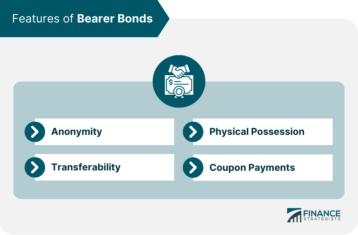
Key Characteristics of Bearer Bonds
- Anonymity: This is the defining feature. Ownership is determined solely by possession.
- Transferability: Easily transferable; ownership changes hands simply by physically handing over the bond.
- Liquidity: Historically, they were relatively liquid, particularly on major exchanges.
- Coupon Payments: Interest was typically paid through detachable coupons that the holder would present to receive payment.
A History of Bearer Bonds
Bearer bonds have a long history, dating back to the 19th century. They were a common way for governments and corporations to raise capital, particularly in Europe. The anonymity they offered appealed to investors who valued privacy or who wished to avoid taxes. In the post-World War II era, bearer bonds played a significant role in international finance, facilitating cross-border transactions and capital flows. [See also: The Evolution of Financial Instruments]. However, this very anonymity also made them attractive for illicit activities, such as tax evasion, money laundering, and the financing of terrorism.
The Decline of Bearer Bonds
The use of bearer bonds has declined significantly in recent decades due to international efforts to combat financial crime. Governments and international organizations have recognized that the anonymity provided by bearer bonds makes them a tool for illicit activities. As a result, many countries have implemented regulations to restrict or eliminate their use. These regulations have included:
- Tax Reporting Requirements: Regulations requiring financial institutions to report transactions involving bearer bonds.
- Restrictions on Issuance: Laws prohibiting or severely restricting the issuance of new bearer bonds.
- Dematerialization: Encouraging the conversion of physical bearer bonds into registered, electronic securities.
The United States, for example, effectively eliminated the issuance of bearer bonds in 1982 with the Tax Equity and Fiscal Responsibility Act (TEFRA). Other countries followed suit, implementing similar measures to curb their use. The Financial Action Task Force (FATF), an intergovernmental body that sets standards for combating money laundering and terrorist financing, has also played a key role in discouraging the use of bearer bonds. [See also: Combating Financial Crime in the 21st Century]
Do Bearer Bonds Still Exist Today?
So, do bearer bonds still exist? The answer is yes, but their prevalence is greatly diminished. While many countries have banned the issuance of new bearer bonds, some older bonds may still be outstanding. These bonds might be held by individuals, institutions, or even governments. Finding them, however, is difficult. Most financial institutions are wary of handling them due to the regulatory scrutiny and potential for illicit activity. Furthermore, many of these bonds are nearing or have already reached their maturity date, meaning they are no longer generating interest.
It’s crucial to differentiate between *existing* bearer bonds and the ability to *issue new ones*. While the former is a dwindling reality, the latter is severely restricted in most developed nations. The few instances where bearer bonds might still surface often involve complex international transactions or situations where individuals are deliberately attempting to circumvent financial regulations.
Where Might You Find Bearer Bonds?
- Inherited Assets: Individuals might inherit bearer bonds from previous generations without fully understanding their nature or the regulatory implications.
- Historical Collections: Some collectors may hold bearer bonds for their historical value, rather than as investment vehicles.
- Unclaimed Property: In rare cases, unclaimed bearer bonds may be held by government agencies or financial institutions.
The Risks Associated with Bearer Bonds
Even if you come across a bearer bond, it’s crucial to understand the risks involved. Due to their association with illicit activities, financial institutions are likely to subject transactions involving bearer bonds to intense scrutiny. You may be required to provide extensive documentation to prove the legitimacy of your ownership. Failure to do so could result in the bond being seized or your accounts being frozen. Furthermore, depending on the jurisdiction, holding or transacting in bearer bonds may even be a criminal offense. [See also: Understanding Financial Regulations and Compliance]
Beyond legal and regulatory risks, there are also practical challenges. Finding a financial institution willing to redeem a bearer bond can be difficult. Many institutions simply refuse to handle them due to the compliance burden. Even if you find an institution willing to help, the process may be lengthy and complex.
Alternatives to Bearer Bonds
For investors seeking privacy, there are alternative financial instruments that offer a degree of confidentiality without the legal and regulatory risks associated with bearer bonds. These include:
- Nominee Accounts: These accounts allow you to hold assets in the name of a nominee, which provides a layer of privacy. However, the ultimate beneficial owner is still required to be disclosed to the financial institution.
- Offshore Trusts: Offshore trusts can provide a degree of asset protection and privacy. However, they are subject to strict regulations and reporting requirements.
- Registered Bonds: While not anonymous, registered bonds offer a secure and transparent way to invest in debt securities.
It’s important to note that none of these alternatives offer the same level of anonymity as bearer bonds. In today’s regulatory environment, complete financial anonymity is increasingly difficult to achieve.
The Future of Financial Anonymity
The story of bearer bonds is a cautionary tale about the tension between financial privacy and the need to combat financial crime. While the desire for privacy is understandable, the anonymity provided by instruments like bearer bonds has proven to be a significant vulnerability in the global financial system. As technology continues to evolve and financial regulations become more stringent, the future of financial anonymity is uncertain. It’s likely that governments and international organizations will continue to prioritize transparency and accountability in the financial system, further restricting the use of instruments that can be used for illicit purposes.
Conclusion
While the answer to the question, do bearer bonds still exist, is technically yes, their relevance and practicality are virtually non-existent in the modern financial landscape. They are relics of a bygone era, heavily regulated and fraught with risks. Anyone considering holding or transacting in bearer bonds should proceed with extreme caution and seek professional legal and financial advice. The world has moved on, prioritizing transparency and security over the anonymity that once defined these historical instruments. The legacy of bearer bonds serves as a reminder of the ongoing need to balance financial privacy with the imperative to combat financial crime and maintain the integrity of the global financial system. The era of easily accessible, anonymous financial instruments is, for all intents and purposes, over. The remaining bearer bonds are more of a historical footnote than a viable investment option.
