Duty Free: A Comprehensive Definition and Guide
Navigating the world of international travel often involves encountering the term “duty free.” But what exactly does duty free mean, and how can travelers leverage it to their advantage? This article provides a comprehensive definition of duty free, exploring its intricacies, benefits, and limitations. Understanding the concept of duty free is crucial for making informed purchasing decisions while traveling abroad.
Understanding the Core Definition of Duty Free
At its core, duty free refers to goods that are exempt from the payment of certain import taxes and duties. These taxes and duties are typically levied by a country’s customs authority on goods brought into that country. The exemption applies when the goods are sold to travelers who will be taking them out of the country. This system is designed to encourage international travel and trade by offering a financial incentive to purchase goods in specific locations, such as airports and border shops.
The concept relies on the principle that taxes should be levied where the goods are ultimately consumed. Since duty free goods are intended for consumption in another country, they are exempt from the taxes of the country where they are purchased. This exemption creates a price advantage, potentially making duty free items more affordable than those purchased domestically.
The Mechanics of Duty Free Shopping
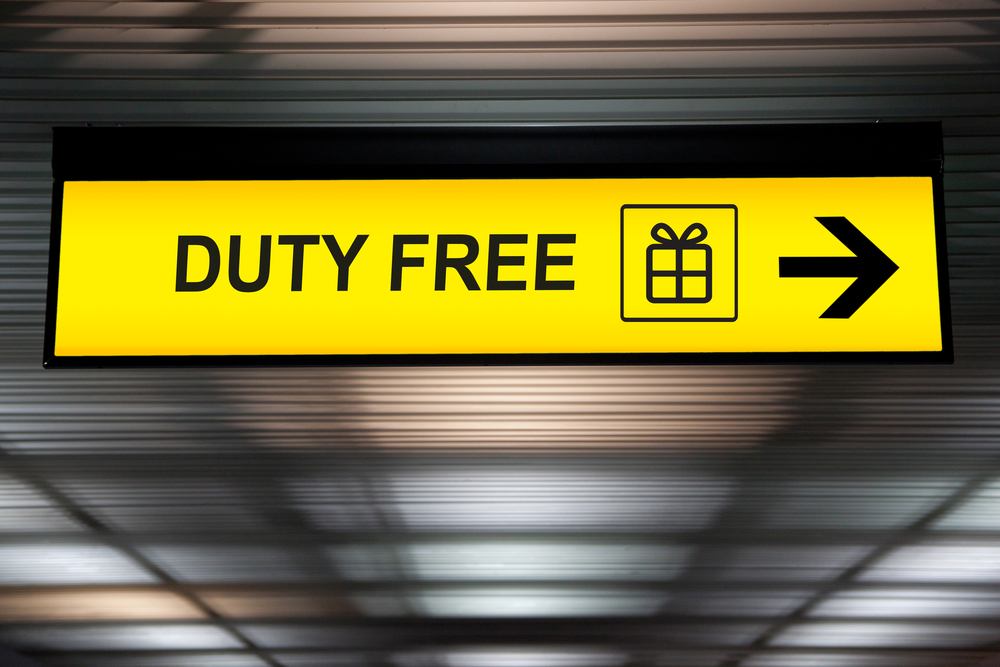
Duty free shopping typically occurs in designated zones, such as international airports, seaports, and border crossings. These zones are considered to be outside of the customs territory of the country, allowing retailers to sell goods without charging the usual taxes and duties. To purchase duty free items, travelers must typically present their boarding pass or passport as proof that they are traveling internationally. This verification ensures that the goods are indeed intended for export and not for domestic consumption.
Once a purchase is made, the duty free retailer usually packages the goods in a sealed bag. This bag is intended to prevent the goods from being consumed within the country where they were purchased. Travelers are advised to keep the bag sealed until they reach their final destination to avoid any potential issues with customs authorities in transit.
Common Misconceptions About Duty Free
One common misconception is that duty free automatically means cheaper. While duty free goods are exempt from certain taxes, the final price may still be influenced by other factors, such as the retailer’s profit margin, exchange rates, and local market conditions. It’s always a good idea to compare prices before making a purchase to ensure that you are getting a genuine bargain.
Another misconception is that there are no limits to the amount of duty free goods that can be purchased. In reality, most countries have established allowances that specify the maximum quantity and value of goods that can be brought into the country without incurring import duties. These allowances vary from country to country and may depend on factors such as the traveler’s age, residency, and the type of goods being imported. It is essential to be aware of these allowances before making a duty free purchase to avoid potential penalties or confiscation of goods.
Categories of Products Commonly Found in Duty Free Shops
Duty free shops typically offer a wide range of products, including:
- Alcoholic beverages: Spirits, wines, and beers are popular duty free items due to the high taxes often levied on alcohol.
- Tobacco products: Cigarettes, cigars, and other tobacco products are also commonly found in duty free shops.
- Perfumes and cosmetics: These items are often sold at discounted prices in duty free zones.
- Luxury goods: Designer clothing, watches, and jewelry can sometimes be found in duty free shops, although the savings may not always be significant.
- Confectionery: Chocolates and other sweets are often purchased as gifts or souvenirs.
The Benefits of Duty Free Shopping
The primary benefit of duty free shopping is the potential for cost savings. By avoiding import taxes and duties, travelers can often purchase goods at lower prices than they would pay domestically. This can be particularly advantageous for items that are heavily taxed, such as alcohol and tobacco.
Duty free shops also offer a convenient and hassle-free shopping experience. They are typically located in areas that are easily accessible to travelers, such as airports and border crossings. This allows travelers to make purchases without having to leave the airport or navigate unfamiliar city streets.
Furthermore, duty free shops often carry a wide selection of international brands that may not be readily available in domestic markets. This can be a great opportunity to purchase unique or hard-to-find items.
Potential Drawbacks of Duty Free Shopping
Despite the potential benefits, duty free shopping also has some potential drawbacks. As mentioned earlier, prices are not always guaranteed to be lower than domestic prices. It’s important to compare prices carefully to ensure that you are getting a good deal. Sometimes, promotional sales or discounts in domestic markets can actually offer better value than duty free prices.
Another potential drawback is the risk of exceeding customs allowances. If you purchase more than the allowed quantity or value of duty free goods, you may be required to pay import duties upon arrival in your destination country. This can negate any potential savings and even result in penalties or confiscation of goods.
Finally, it’s important to be aware of any restrictions on the import of certain goods into your destination country. Some countries may prohibit the import of certain items, such as certain types of food, plants, or animal products. It’s your responsibility to ensure that any duty free purchases you make comply with the import regulations of your destination country.
Tips for Maximizing Your Duty Free Shopping Experience
To make the most of your duty free shopping experience, consider the following tips:
- Do your research: Before you travel, research the prices of the items you are interested in purchasing. This will give you a baseline for comparison when you arrive at the duty free shop.
- Compare prices: Don’t assume that duty free is always cheaper. Compare prices at different duty free shops and with domestic retailers to ensure that you are getting the best deal.
- Know your allowances: Familiarize yourself with the customs allowances of your destination country to avoid exceeding the limits.
- Be aware of restrictions: Check for any restrictions on the import of certain goods into your destination country.
- Keep your receipts: Keep your duty free receipts as proof of purchase. This may be required by customs authorities upon arrival in your destination country.
- Pack carefully: Pack your duty free purchases carefully to avoid damage during transit.
- Consider currency exchange rates: Be aware of the current exchange rates when making purchases in a foreign currency.
The Future of Duty Free
The duty free industry is constantly evolving to meet the changing needs of travelers. With the rise of e-commerce and online shopping, duty free retailers are increasingly offering online pre-order options, allowing travelers to browse and purchase goods before they even arrive at the airport. This can save time and hassle and ensure that desired items are available.
Furthermore, duty free retailers are increasingly focusing on creating a more engaging and personalized shopping experience. This includes offering exclusive products, customized services, and interactive displays. The goal is to create a more memorable and enjoyable shopping experience for travelers.
Duty Free: A Summary
In conclusion, duty free shopping offers travelers the potential to save money on a variety of goods by avoiding import taxes and duties. However, it’s important to be aware of the potential drawbacks, such as the risk of exceeding customs allowances and the possibility that prices may not always be lower than domestic prices. By doing your research, comparing prices, and knowing your allowances, you can maximize your duty free shopping experience and make the most of your international travels. The definition of duty free extends beyond just tax exemption; it’s about understanding the rules, benefits, and potential pitfalls to make informed decisions.
[See also: International Travel Tips]
[See also: Customs Regulations Guide]
[See also: Airport Shopping Strategies]
