Duty Free Definition: Understanding Tax-Free Shopping
The term “duty free” is one that travelers often encounter, particularly in airports and border crossings. But what does duty free actually mean? Understanding the duty free definition is crucial for anyone looking to make the most of their travel experiences and potentially save money on purchases. This article will delve into the intricacies of duty free shopping, explaining what it entails, where you can find it, and what you need to know to take advantage of these opportunities.
What is the Duty Free Definition?
At its core, the duty free definition refers to the sale of goods without the imposition of certain taxes and duties. These taxes can include import duties, excise taxes, and value-added tax (VAT). The primary purpose of duty free shopping is to allow travelers to purchase items without paying the taxes that would normally apply in the country where the goods are sold. This is typically applicable when the goods are being exported to another country.
Essentially, duty free shops operate under the premise that if goods are being taken out of the country, they should not be subject to the same taxes as goods consumed within the country. This concept is rooted in international trade agreements and tax policies.
Where Can You Find Duty Free Shops?
Duty free shops are most commonly found in international airports, seaports, and at border crossings between countries. They are strategically located in these areas to cater to travelers who are either departing from or arriving in a country. Here’s a breakdown of common locations:
- Airports: International airports are the most prevalent locations for duty free shopping. These shops are usually situated in the departure lounges, after passengers have cleared security and immigration.
- Seaports: Cruise terminals and ferry ports often feature duty free shops, allowing passengers to purchase goods before embarking on or disembarking from their journey.
- Border Crossings: Land border crossings between countries may also have duty free shops, catering to travelers crossing the border by car, bus, or train.
- Special Economic Zones: Some countries have designated special economic zones where duty free shopping is permitted. These zones are designed to promote trade and tourism.
What Types of Products Are Typically Available Duty Free?
Duty free shops typically offer a wide range of products, catering to diverse consumer preferences. Some of the most common categories include:
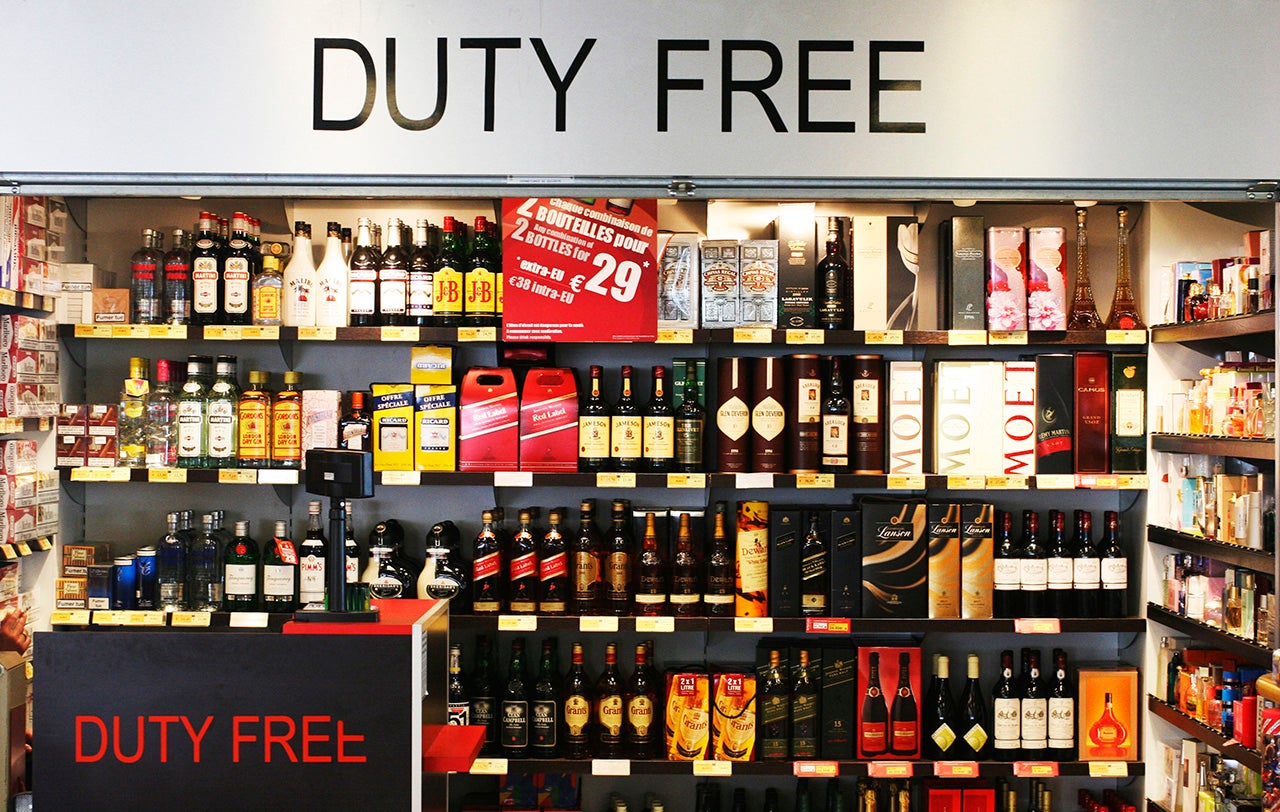
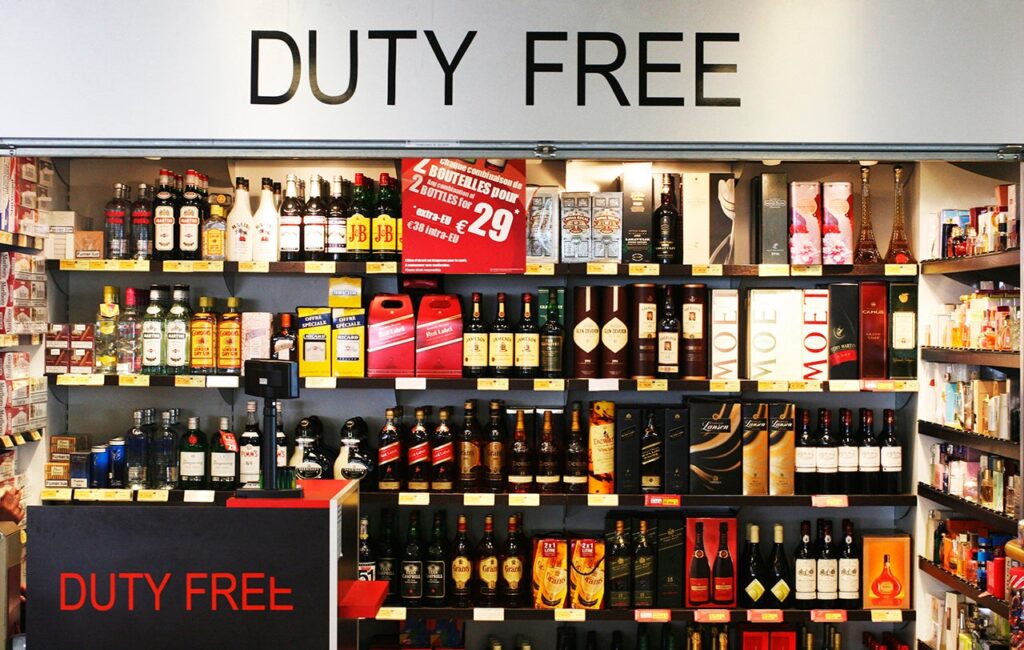
- Alcohol: Spirits, wines, and beers are popular duty free items. Travelers can often purchase these at significantly lower prices compared to regular retail outlets.
- Tobacco: Cigarettes, cigars, and other tobacco products are also commonly available duty free.
- Perfumes and Cosmetics: High-end perfumes, makeup, and skincare products are frequently offered at duty free shops.
- Luxury Goods: Designer handbags, watches, jewelry, and other luxury items can often be found at duty free prices.
- Confectionery: Chocolates, candies, and other sweets are popular impulse purchases at duty free shops.
- Electronics: Some duty free shops may offer electronics such as headphones, cameras, and mobile accessories.
- Souvenirs: Local crafts, artwork, and other souvenirs are often available, allowing travelers to purchase mementos of their trip.
How Does Duty Free Shopping Work?
The process of duty free shopping is relatively straightforward. Here’s a step-by-step guide:
- Eligibility: To be eligible for duty free shopping, you typically need to be traveling internationally. This means you must be departing from or arriving in a country.
- Documentation: You will usually need to present your boarding pass or passport to prove that you are traveling internationally. This is required to verify your eligibility for duty free purchases.
- Purchase: Once your eligibility is confirmed, you can browse and purchase items at the duty free shop.
- Payment: You can pay for your purchases using various methods, including cash, credit cards, and debit cards.
- Delivery: In some cases, particularly for larger or more expensive items, the duty free shop may offer to deliver your purchases to your departure gate or even to your home address.
- Customs Regulations: It’s important to be aware of the customs regulations of your destination country. There are often limits on the quantity and value of duty free goods that you can bring into a country without paying duties and taxes.
The Benefits of Duty Free Shopping
There are several potential benefits to duty free shopping:
- Cost Savings: The most obvious benefit is the potential to save money on purchases. By avoiding taxes and duties, you can often buy items at lower prices compared to regular retail outlets.
- Exclusive Products: Some duty free shops offer exclusive products that are not available elsewhere. These may include limited-edition items or products specifically designed for the travel retail market.
- Convenience: Duty free shops provide a convenient way to purchase gifts, souvenirs, or personal items while traveling. This can save you time and effort compared to shopping at regular stores.
- Last-Minute Purchases: Duty free shops are a great place to make last-minute purchases, such as gifts for friends and family or items you forgot to pack.
Potential Drawbacks of Duty Free Shopping
While duty free shopping offers several benefits, there are also some potential drawbacks to consider:
- Price Comparisons: It’s not always guaranteed that duty free prices are lower than regular retail prices. It’s a good idea to compare prices before making a purchase to ensure you are getting a good deal.
- Customs Limits: You need to be aware of the customs limits of your destination country. If you exceed these limits, you may be required to pay duties and taxes on your purchases, negating the benefits of duty free shopping.
- Impulse Purchases: The allure of duty free shopping can sometimes lead to impulse purchases. It’s important to stick to your budget and avoid buying things you don’t really need.
- Quality Concerns: While rare, there have been instances of counterfeit or substandard products being sold at duty free shops. It’s important to purchase from reputable retailers and to inspect your purchases carefully.
Customs Allowances and Regulations
Understanding customs allowances and regulations is crucial for duty free shoppers. These regulations dictate the quantity and value of goods that you can bring into a country without paying duties and taxes. Customs allowances vary from country to country, so it’s important to research the specific regulations of your destination.
Typically, customs allowances are based on the following factors:
- Value of Goods: There is usually a limit on the total value of goods that you can bring into a country duty free.
- Quantity of Alcohol and Tobacco: There are often restrictions on the quantity of alcohol and tobacco products that you can bring into a country duty free.
- Personal Use: The goods must be for personal use or as gifts. They cannot be intended for resale.
If you exceed the customs allowances, you will be required to declare the goods and pay the applicable duties and taxes. Failure to declare goods can result in penalties, including fines and confiscation of the goods.
Tips for Duty Free Shopping
Here are some tips to help you make the most of your duty free shopping experience:
- Plan Ahead: Before you travel, research the customs allowances of your destination country and make a list of items you want to purchase.
- Compare Prices: Don’t assume that duty free prices are always the lowest. Compare prices with regular retail outlets to ensure you are getting a good deal.
- Check Expiry Dates: For perishable items such as cosmetics and food, check the expiry dates to ensure they are still valid.
- Inspect Goods: Before you make a purchase, carefully inspect the goods for any defects or damage.
- Keep Receipts: Keep your receipts as proof of purchase. You may need them for customs declarations or warranty claims.
- Be Aware of Restrictions: Be aware of any restrictions on the transportation of certain items, such as liquids or aerosols.
The Future of Duty Free Shopping
The duty free industry is constantly evolving to meet the changing needs and preferences of travelers. Some of the trends shaping the future of duty free shopping include:
- E-commerce: Many duty free retailers are expanding their online presence, allowing travelers to browse and purchase goods online before they travel. This can save time and effort at the airport.
- Personalization: Duty free retailers are increasingly using data analytics to personalize the shopping experience for travelers. This includes offering targeted promotions and product recommendations based on individual preferences.
- Sustainability: There is a growing emphasis on sustainability in the duty free industry. Retailers are offering more eco-friendly products and adopting sustainable business practices.
- Experiential Retail: Duty free retailers are creating more immersive and engaging shopping experiences for travelers. This includes offering interactive displays, product demonstrations, and tasting sessions.
Conclusion
Understanding the duty free definition is essential for travelers looking to take advantage of tax-free shopping opportunities. By knowing what duty free entails, where to find it, and how it works, you can make informed purchasing decisions and potentially save money on a variety of products. Remember to research customs allowances, compare prices, and be aware of any restrictions to ensure a smooth and rewarding duty free shopping experience. Whether you’re looking for alcohol, tobacco, perfumes, or luxury goods, duty free shops offer a unique and convenient way to shop while traveling. The next time you find yourself in an airport or at a border crossing, take the time to explore the duty free shops and see what bargains you can find. Always be mindful of your destination’s import regulations to ensure a hassle-free journey. So, embrace the world of duty free and make your travels even more enjoyable!
[See also: Tax-Free Shopping Guide]
[See also: International Travel Tips]
[See also: Airport Shopping Strategies]
