Duty-Free Meaning: A Comprehensive Guide to Tax-Free Shopping
Ever wondered about the allure of airport shops brimming with luxury goods at seemingly irresistible prices? The magic behind these deals lies in the concept of duty-free shopping. But what exactly does duty-free mean, and how does it work? This comprehensive guide will unravel the intricacies of duty-free, exploring its benefits, limitations, and everything you need to know to make the most of your tax-free shopping opportunities.
Understanding the Fundamentals of Duty-Free
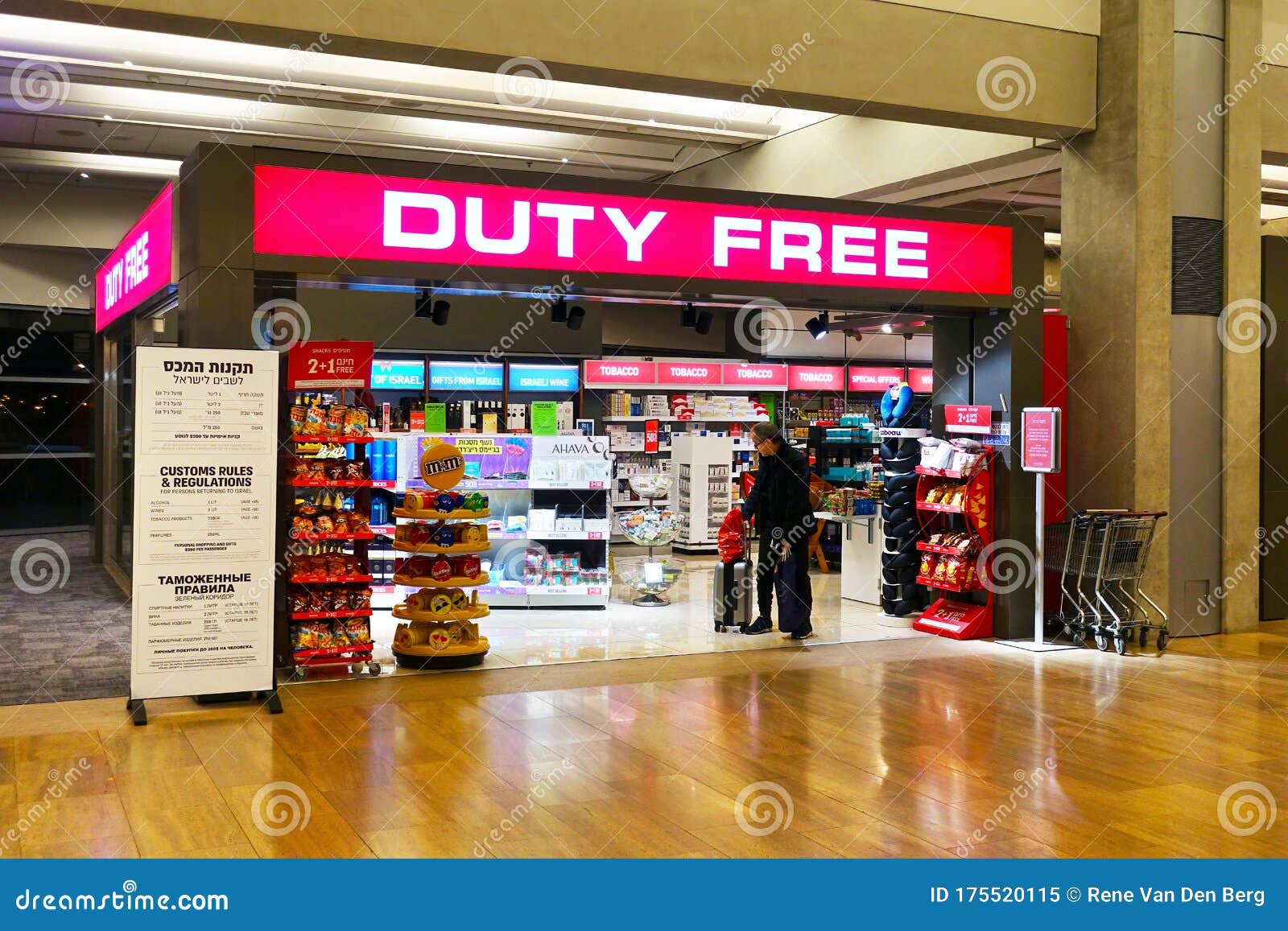
At its core, duty-free refers to the exemption of certain taxes and duties on goods sold in specific designated areas. These areas are typically located in international zones like airports, seaports, and border crossings. The rationale behind duty-free shopping is to encourage international travel and trade by allowing travelers to purchase goods without incurring the usual import duties and taxes imposed by the country where the goods are sold.
The term “duty” refers to taxes levied on imported goods. These taxes can vary significantly depending on the type of product and the country imposing the duty. By eliminating these duties, duty-free shops can offer products at prices lower than those found in regular retail stores.
The Mechanics of Duty-Free Shopping
The operation of duty-free shops is governed by international agreements and national regulations. Here’s a breakdown of how it typically works:
- Designated Zones: Duty-free shops operate within designated areas, usually within international airports or ports. These zones are considered outside of the country’s tax jurisdiction for specific goods.
- Tax Exemption: Goods sold in duty-free shops are exempt from import duties and taxes. This exemption is crucial for the price advantage offered to travelers.
- Eligibility: Typically, only international travelers are eligible to purchase goods duty-free. This eligibility is usually verified by presenting a boarding pass or travel document.
- Quantity Limits: Most countries impose quantity limits on duty-free purchases to prevent commercial exploitation. These limits vary depending on the product and the destination country.
- Destination Restrictions: The duty-free status applies only if the goods are exported from the country where they were purchased. If you are entering another country, you may still be subject to import duties and taxes depending on that country’s regulations.
The Benefits of Duty-Free Shopping
Duty-free shopping offers several advantages to travelers:
- Lower Prices: The primary benefit is the potential for lower prices compared to regular retail stores. This is due to the exemption from import duties and taxes.
- Convenience: Duty-free shops are conveniently located in airports and ports, making it easy for travelers to purchase goods while on the move.
- Exclusive Products: Some duty-free shops offer exclusive products or limited-edition items that are not available elsewhere.
- Gift Opportunities: Duty-free shopping provides an excellent opportunity to purchase gifts for friends and family while traveling.
Common Misconceptions About Duty-Free
Despite its popularity, duty-free shopping is often misunderstood. Here are some common misconceptions:
- Always the Cheapest: While duty-free goods are generally cheaper than those in regular stores, it’s not always the case. Prices can vary depending on the location, product, and currency exchange rates. It’s always wise to compare prices before making a purchase.
- Unlimited Quantities: As mentioned earlier, most countries impose quantity limits on duty-free purchases. Exceeding these limits can result in penalties or the confiscation of goods.
- Exemption from All Taxes: Duty-free only exempts import duties and taxes. Other taxes, such as sales tax or VAT, may still apply in some cases.
- No Restrictions: While you might avoid paying duty in the country of purchase, you are still subject to the customs regulations of your destination country. Make sure you are aware of their allowances and restrictions.
Popular Duty-Free Items
Certain categories of goods are particularly popular in duty-free shops:
- Alcohol: Spirits, wine, and beer are frequently purchased duty-free.
- Tobacco: Cigarettes, cigars, and other tobacco products are also common duty-free items.
- Perfumes and Cosmetics: Luxury perfumes and cosmetics are often available at discounted prices.
- Electronics: Some electronics, such as headphones and accessories, can be found in duty-free shops.
- Luxury Goods: Designer handbags, watches, and jewelry are popular duty-free purchases.
- Confectionery: Chocolates and other sweets are often bought as gifts.
Navigating Duty-Free Regulations
To avoid any issues with customs, it’s essential to understand the duty-free regulations of both the country where you are purchasing the goods and your destination country. Here are some tips:
- Check Allowances: Before you travel, research the duty-free allowances of your destination country. This information is usually available on the customs website of the country.
- Keep Receipts: Always keep your receipts for duty-free purchases. These receipts may be required by customs officials.
- Declare Goods: If you are unsure whether you need to declare certain goods, it’s always best to err on the side of caution and declare them.
- Be Aware of Restrictions: Some countries have restrictions on certain items, such as agricultural products or endangered species. Make sure you are aware of these restrictions before making a purchase.
The Future of Duty-Free
The duty-free industry is constantly evolving. With the rise of e-commerce and changing travel patterns, duty-free shops are adapting to meet the needs of modern travelers. Some trends in the duty-free industry include:
- Online Duty-Free: Some airports and retailers are offering online duty-free shopping, allowing travelers to browse and purchase goods before they travel.
- Personalized Shopping Experiences: Duty-free shops are increasingly focusing on providing personalized shopping experiences, such as offering product recommendations based on individual preferences.
- Sustainable Products: There is a growing demand for sustainable and ethically sourced products in duty-free shops.
Duty-Free Beyond Airports: Exploring Other Avenues
While airports are the most common locations for duty-free shopping, it’s important to note that other avenues exist. These include:
- Border Shops: Located at land borders between countries, these shops offer duty-free goods to travelers crossing the border.
- In-Flight Sales: Some airlines offer duty-free sales on board their flights.
- Diplomatic Sales: Certain diplomatic personnel are entitled to purchase goods duty-free for personal use.
Calculating Your Potential Savings
To truly appreciate the benefits of duty-free shopping, it’s helpful to understand how to calculate your potential savings. The actual savings depend on several factors, including the product type, the country’s tax rates, and the retailer’s pricing strategy. Generally, the higher the import duties and taxes on a product, the greater the potential savings in a duty-free shop.
To estimate your savings, you can research the standard retail price of the product in your home country and compare it to the price offered in the duty-free shop. Remember to factor in currency exchange rates and any applicable sales taxes or VAT in your home country.
Ethical Considerations in Duty-Free Shopping
While duty-free shopping can be a rewarding experience, it’s important to consider the ethical implications. Overconsumption, the environmental impact of travel, and the potential for supporting unethical business practices are all factors to consider. Making conscious choices to purchase sustainable products, support fair trade initiatives, and avoid excessive consumption can help mitigate these negative impacts.
Conclusion: Making Informed Duty-Free Decisions
Understanding the duty-free meaning, its mechanics, and its potential benefits and drawbacks empowers you to make informed shopping decisions. By researching prices, understanding regulations, and considering ethical implications, you can maximize your savings and enjoy a responsible duty-free shopping experience. So, the next time you find yourself in a duty-free shop, you’ll be well-equipped to navigate the world of tax-free shopping with confidence. Remember to always check the specific duty-free allowances and restrictions of your destination to ensure a smooth and hassle-free travel experience. Happy shopping!
[See also: Airport Shopping Tips]
[See also: International Travel Checklist]
[See also: Understanding Customs Regulations]
