Duty-Free Meaning: Understanding Tax-Free Shopping for Travelers
Navigating the world of international travel often involves encountering the term “duty-free.” But what does duty-free really mean? In its simplest form, duty-free refers to goods that are exempt from the payment of certain taxes and duties. This exemption is typically offered in designated areas, such as international airports, seaports, and sometimes even border crossings. Understanding the duty-free meaning can help you make informed decisions and potentially save money during your travels. This article will delve into the intricacies of duty-free shopping, exploring its benefits, limitations, and everything you need to know to make the most of it.
The Core of Duty-Free: What It Really Means
The duty-free meaning extends beyond just a simple tax break. It’s a system designed to encourage international trade and tourism. Governments allow retailers in specific locations to sell goods without collecting the usual import duties, excise taxes, and value-added tax (VAT). This reduction in taxes translates to lower prices for consumers, making it an attractive option for travelers looking to purchase items like alcohol, tobacco, perfumes, cosmetics, and luxury goods.
Essentially, when you see a “duty-free” sign, it signifies that the prices displayed do not include the taxes you would normally pay on those goods within the country. However, it’s important to remember that the term “duty-free” doesn’t necessarily mean the item is cheaper than what you might find at a regular retail store. Prices can vary depending on the product, location, and exchange rates.
The History and Evolution of Duty-Free
The concept of duty-free shopping dates back to the mid-20th century. Shannon Airport in Ireland is widely credited with establishing the first duty-free shop in 1947. This innovative idea aimed to generate revenue from transit passengers who were stopping at the airport for refueling. The success of Shannon Airport’s duty-free shop quickly led to its adoption by other international airports and seaports around the world.
Over the decades, the duty-free industry has grown into a multi-billion dollar global market. The range of products available has expanded significantly, from the traditional offerings of alcohol and tobacco to include fashion accessories, electronics, and even local souvenirs. The rise of international travel and tourism has fueled this growth, making duty-free shops a common sight in travel hubs worldwide.
Where Can You Find Duty-Free Shops?
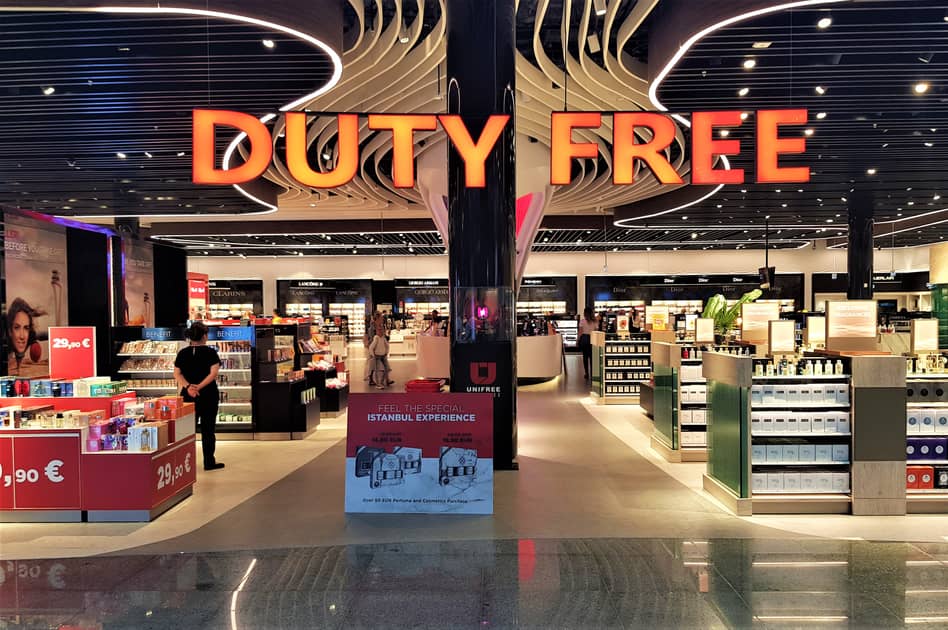
Duty-free shops are primarily located in international airports, typically in the departure lounges after you’ve cleared security. This ensures that only passengers traveling to international destinations can access these tax-exempt goods. You can also find duty-free shops at seaports serving international ferry routes and sometimes at border crossings between countries.
It’s worth noting that some countries have specific regulations regarding duty-free shopping. For example, within the European Union, duty-free shopping is generally only available for travelers departing to non-EU countries. When traveling within the EU, you’re subject to the standard VAT and excise duties.
What Products Are Commonly Sold Duty-Free?
The most common products found in duty-free shops include:
- Alcohol: Spirits, wines, and beers are popular duty-free purchases due to the high taxes often levied on these items.
- Tobacco: Cigarettes, cigars, and other tobacco products are also frequently sold duty-free.
- Perfumes and Cosmetics: Many travelers take advantage of duty-free prices to buy their favorite fragrances and beauty products.
- Luxury Goods: Designer handbags, watches, jewelry, and other luxury items are often available at duty-free shops.
- Confectionery: Chocolates, sweets, and other treats are a tempting option for travelers.
- Electronics: Some duty-free shops offer a selection of electronic gadgets, such as headphones and portable speakers.
- Souvenirs: You can often find local souvenirs and handicrafts at duty-free shops, providing a last-minute opportunity to pick up gifts.
The Benefits of Duty-Free Shopping
The primary benefit of duty-free shopping is the potential to save money on your purchases. By avoiding taxes and duties, you can often buy items at a lower price than you would at a regular retail store. This can be particularly advantageous for high-value items like luxury goods and alcohol.
Another benefit is the convenience of being able to purchase items at the airport or seaport, saving you time and effort. This can be especially useful if you’re short on time or if you’re looking for a last-minute gift.
Duty-free shops also offer a unique shopping experience, with a wide selection of international brands and products. This can be a great opportunity to discover new items and find something special.
Limitations and Considerations of Duty-Free Shopping
While duty-free shopping can offer significant savings, it’s important to be aware of its limitations and considerations.
- Price Comparison: Don’t assume that everything at a duty-free shop is cheaper. It’s always a good idea to compare prices with regular retail stores to ensure you’re getting the best deal. Exchange rates can also affect the final price.
- Duty-Free Allowances: Each country has its own regulations regarding duty-free allowances. These allowances specify the maximum quantity and value of goods you can bring into the country without paying duties. Exceeding these allowances can result in you having to pay duties and taxes on the excess goods.
- Destination Regulations: Be aware of the regulations of your destination country. Some countries have restrictions on certain items, such as alcohol or tobacco. Make sure you comply with these regulations to avoid any problems at customs.
- Liquid Restrictions: When purchasing liquids at a duty-free shop, be aware of the security regulations regarding liquids in carry-on baggage. You may need to have your purchases sealed in a special bag to be allowed through security.
Duty-Free Allowances: Navigating the Rules
Understanding duty-free allowances is crucial to avoid unexpected costs and complications. Duty-free allowances vary depending on the country you’re entering and the type of goods you’re bringing in. It’s your responsibility to research and comply with these regulations.
Typically, duty-free allowances are specified in terms of quantity and value. For example, you might be allowed to bring in a certain number of liters of alcohol and a certain number of cartons of cigarettes, up to a specific value. Exceeding these limits will require you to declare the excess goods and pay the applicable duties and taxes.
You can usually find information about duty-free allowances on the website of the customs authority of the country you’re visiting. It’s always a good idea to check these regulations before you travel to avoid any surprises.
Tips for Making the Most of Duty-Free Shopping
To maximize your savings and enjoy a smooth duty-free shopping experience, consider these tips:
- Plan Ahead: Research the prices of items you’re interested in buying before you travel. This will help you determine whether the duty-free prices are actually a good deal.
- Compare Prices: Don’t assume that everything at a duty-free shop is cheaper. Compare prices with regular retail stores and online retailers to ensure you’re getting the best value.
- Check Duty-Free Allowances: Familiarize yourself with the duty-free allowances of your destination country to avoid exceeding the limits and having to pay duties.
- Be Aware of Restrictions: Be aware of any restrictions on certain items, such as liquids or tobacco, in your destination country.
- Keep Your Receipts: Keep your receipts as proof of purchase in case you need to declare your goods at customs.
- Consider Exchange Rates: Be mindful of exchange rates, as they can affect the final price of your purchases.
- Take Advantage of Promotions: Look out for special promotions and discounts offered by duty-free shops.
The Future of Duty-Free
The duty-free industry is constantly evolving to meet the changing needs of travelers. With the rise of e-commerce and online shopping, duty-free retailers are increasingly offering online pre-order options and delivery to airport departure gates. This allows travelers to browse and purchase items in advance, saving time and ensuring they get the products they want.
Sustainability is also becoming a key focus for the duty-free industry. Retailers are increasingly offering eco-friendly products and implementing sustainable practices in their operations.
The duty-free meaning will continue to adapt and transform, but its core principle of providing tax-exempt goods to international travelers will likely remain a cornerstone of the global travel experience. [See also: Tax-Free Shopping Guide] [See also: International Travel Tips]
Conclusion: Is Duty-Free Shopping Worth It?
Understanding the duty-free meaning is essential for any international traveler. While it doesn’t guarantee the lowest prices, duty-free shopping can offer significant savings, especially on high-value items like alcohol, tobacco, and luxury goods. By doing your research, comparing prices, and being aware of duty-free allowances and restrictions, you can make informed decisions and maximize the benefits of duty-free shopping. So, next time you’re at an international airport, take a stroll through the duty-free shops – you might just find a great deal!
